Around the world, young people born in the late 1990s and early 2000s, embodied by Generation Z, are vigorously expressing their demands. From the shores of Nepal to the mountains of Morocco, this generation is experiencing a veritable explosion of protest, a movement born from the proliferation of social, economic, and political injustices plaguing their societies. These movements, often originating on social media, reflect a collective awakening aimed at challenging the established order, denouncing corruption, inequality, and environmental degradation. The cultural diversity of these engaged young people, though geographically dispersed, punctuates their struggle with shared demands, demonstrating a common rejection of a stagnant and unjust society. The rise of this protesting youth is part of a dynamic of distrust toward elites often perceived as responsible for the economic decline or marginalization of their generation. These outcries, often taking the form of mass demonstrations or digital actions, require particular attention, as they illustrate a profound desire for engagement in the face of an uncertain future. The political and social stability of their countries is now fragile, and their mobilization, through its innovative methods and sincere demands, raises the crucial question of how governments and institutional actors should respond to this collective exasperation.
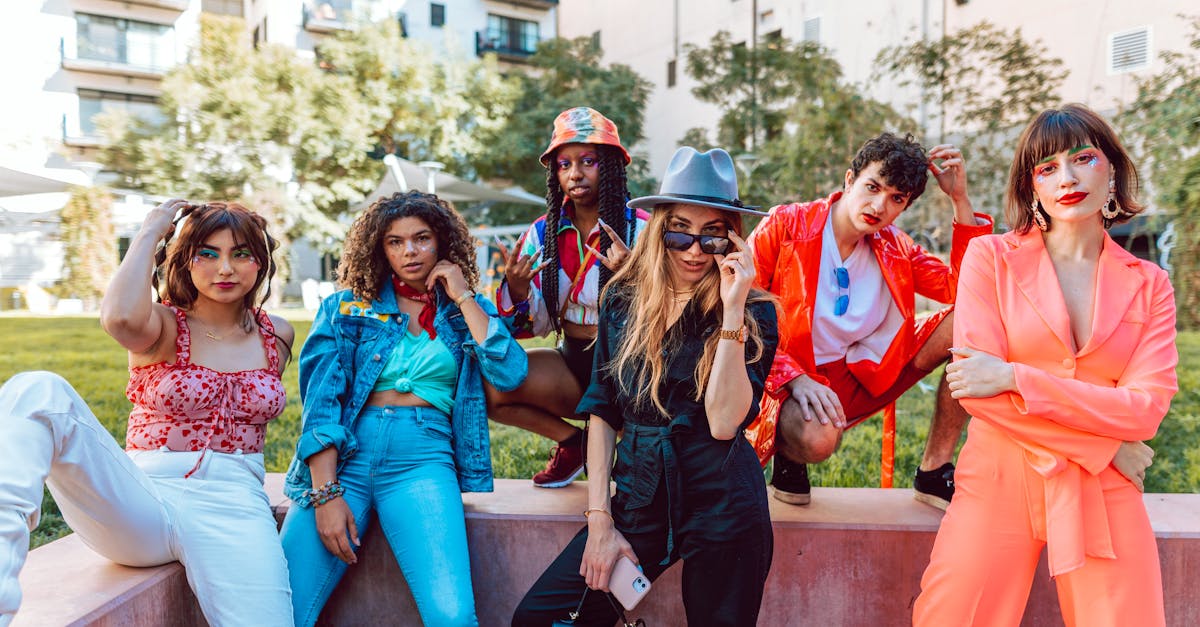
Discover the characteristics, values, and behaviors of Generation Z, the new era of young people born between the late 1990s and early 2010s.
A Youth in Revolt: Understanding the Social and Political Context of Protest Migration
The revolts of Generation Z, whether unfolding in the mountains of Nepal or the plains of Morocco, stem from specific social and political contexts. In Nepal, anger arises primarily from increasing precarity, governmental instability, and widening social inequalities. The rising cost of living and endemic corruption in public services fuel a sense of demoralization and rejection. The fall of several previous governments was marked by social movements, but the current generation, with its digital methods, is taking protest to a whole new level. The suspension of social media by Nepalese authorities did not stop the mobilization, but rather transformed it, making it more strategic and organized around online micro-communities, as evidenced by the growing use of platforms such as Discord. In Morocco, young people, exasperated by the economic crisis and mismanagement highlighted by tragedies such as the deaths of pregnant women in an Agadir hospital, are demanding urgent change. Through demands for healthcare reform or access to quality education, these young people are denouncing a regime they perceive as insensitive to their needs, thus exacerbating the generational divide. The similarity of their demands in these two contexts is striking: a call for justice, transparency, and genuine democracy.
Modern methods of mobilization: The internet and social networks as tools for empowerment The new forms of protest employed by Generation Z are developing outside of traditional channels, largely favoring digital exchange. Unlike their predecessors, they don’t rely on unions or political parties, but on platforms like Discord, which offer a strong community space and the capacity for instant organization. In Morocco, the collectiveGen Z 212

Discover the characteristics, behaviors, and aspirations of Generation Z, a connected, innovative, and forward-thinking generation.
| The fundamental demands of young people: social justice, transparency, and the environment. | At the heart of all these outcries lies a series of fundamental demands. Preventing elite corruption, often denounced as responsible for growing inequalities, is one of the pillars of their mobilization. In Morocco, young people are calling for healthcare reform to guarantee better access to care, particularly in rural and disadvantaged areas. Government transparency and the fight against demagoguery are also essential demands, as evidenced by protests over resource management and the fight against poverty. Reconciliation with nature is also becoming a central demand, especially in countries like Madagascar, where frustration with increasing water and electricity cuts is leading some young people to mobilize to protect their environment. The pandemic, the climate crisis, and the degradation of ecosystems are intensifying this demand for the sustainable management of natural resources. Cultural diversity, rarely given its due recognition, is frequently mentioned in these demands, illustrating a desire to respect multiple identities in the face of a homogenizing model. Ultimately, this engaged youth movement aims to build a more democratic, equitable, and environmentally responsible society, challenging the traditional monopoly of power. | |
|---|---|---|
| Demands Geographic Origin | Intended Impact | Social justice and the fight against corruption |
| Morocco, Nepal, Madagascar Sustainable political and social reforms | Improved public services (health, education, energy) | Morocco, Peru, Madagascar |
| Equitable access for all Respect for cultural diversity and identity | Indonesia, Morocco, Nepal | Recognition and promotion of local cultures |
| Environmental protection | Madagascar, Peru, Indonesia | Support for the sustainable management of natural resources |
| Democratic Transparency | The Global South | Restoring Citizens’ Trust |
The Challenges and Risks of These Youth and Digital Movements
Despite their vitality, these Generation Z youth movements also present major challenges and risks. The rapid spread of demands, fueled by intensive use of social media, can sometimes degenerate into violence or political destabilization if left unchecked. Internet shutdowns or censorship, as has occurred in some countries of the Global South, could limit their ability to organize and make their voices heard. Furthermore, the risk of manipulation by political or external actors is real. Young people, often impressionable and searching for their identity, can become targets for attempts to manipulate or hijack their movement. Violence, particularly in contexts of heavy police repression, could also increase the marginalization or repression of protesters, fueling a vicious cycle of confrontations. Coordinating actions and guaranteeing their self-determination appear essential to avoid harmful or disproportionate outcomes. Taking their diversity into account, by integrating varied voices and aspirations, is a key challenge in transforming this protest energy into lasting change.

Discover the characteristics, behaviors, and values of Generation Z, an influential cohort born between the mid-1990s and the early 2010s.
An uncertain future: what role for the international community in the face of rebellious youth?
Faced with a wave of protest that now transcends national borders, the international community is confronted with a new responsibility. The demands voiced by Generation Z, particularly regarding social justice, stability, and environmental protection, require a coherent and balanced response. Fostering dialogue, supporting civic reform processes, and guaranteeing a space for official expression must become priorities for global institutions. Growing awareness of environmental and social issues, which sometimes extend beyond the local level, could encourage countries and organizations to join forces around a common project. International solidarity must also prevent any manipulation of mobilized youth, while simultaneously promoting the development of appropriate local initiatives. Finally, the rise of this protest generation demands a profound reform of global governance models to prevent these outcries from leading to new crises or major destabilization. Global youth, particularly those in Nepal and Morocco, are emerging for the first time as key players in building a more just and democratic future, provided their demands are heard and integrated into a global framework.
How does Generation Z use the internet to organize? Mobilized youth favor platforms like Discord to create micro-communities, share strategies and symbols, and coordinate their actions independently, making their protests more unpredictable and difficult for governments to control.
What are the main themes addressed by young people in their demands?
The central demands focus on social justice, government transparency, the fight against corruption, environmental protection, and respect for cultural diversity as a pillar of national or regional identity.
What risks do these protest movements face?
They risk escalating into violence, political manipulation, or increased repression, especially if their organization is hampered or if their demands provoke authoritarian responses, exacerbating the marginalization of young protesters.
What role can the international community play in these movements?
It can encourage dialogue, support civic reforms, promote youth participation in governance, and guarantee their safety, while avoiding any manipulation that could worsen the crisis.
🔗 Sources & références
Pour aller plus loin, consultez les sources citées dans cet article :
Découvrez notre guide complet — destinations, budget, visa, faune et conseils pratiques pour préparer votre voyage.

📖 Vous aimerez aussi

Transition à Madagascar : la société civile et la Génération Z face aux doutes sur le « Programme de la Refondation »
3 March 2026
Fermeture de l’aéroport de Dubaï : chaos et désarroi chez les voyageurs bloqués
2 March 2026