
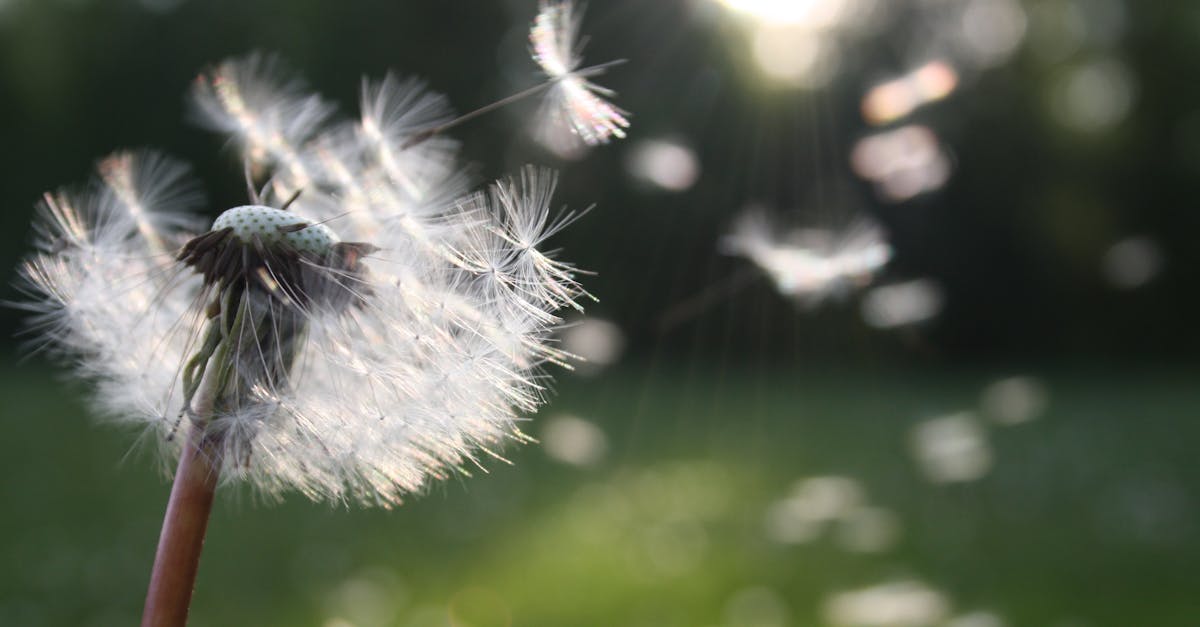

In the isolated environment of Madagascar, a worrying phenomenon is capturing the attention of ecology and biodiversity specialists: the progressive reduction in seed size of many endemic plants. This remarkably complex mystery raises fundamental questions about the state of the island’s biodiversity and how the ecosystem adapts to natural and human-induced factors. The near-total disappearance of large frugivores, such as elephant birds or certain lemurs that went extinct several centuries ago, has left a considerable gap in the natural seed dispersal process, leading to an unexpected mutation. Deforestation, coupled with climate change, exacerbates this situation by altering habitats, making plant reproduction vulnerable. The central question remains: why are these seeds, once adapted to giant dispersers, now so small that they struggle to survive and fulfill their essential ecological role? The answer lies in a complex interplay between natural factors, human pressure, and adaptive mutations, illustrating the fragility of the ecological balance on this unique island. A thorough understanding of this phenomenon underscores the need for innovative conservation policies capable of anticipating the irreversible loss of entire generations of plants. Faced with this alarming reality, every stakeholder must commit to preserving Madagascar’s botanical heritage, a jewel of global biodiversity. The decrease in seed size thus becomes a poignant indicator of the ecological crisis that threatens the flora, fauna, and overall balance of this exceptional environment.
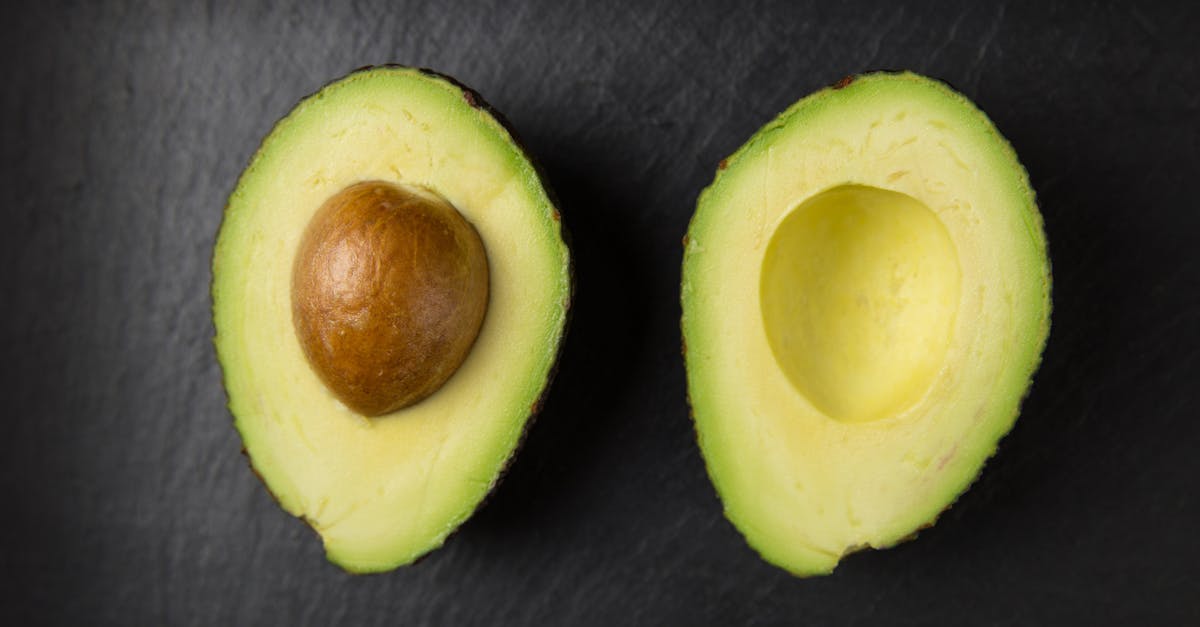
Plant seeds in Madagascar: silent witnesses to the disappearance of megafrugivores.
Seeds represent far more than mere embryos of new plants; they embody an entire evolutionary history, deeply embedded in Madagascar’s ecological heritage. Historically, megafrugivores such as the elephant bird (Aepyornis) and large lemurs played a crucial role in dispersing sizable seeds. Their extinction centuries ago left these seeds adrift, unable to be efficiently transported to new areas to ensure forest regeneration. Today, the seeds of certain species—notably those of the palm Borassus madagascariensis and the tree Tsebona macrantha—have become relics of a time when the biosphere was shaped by major animal interactions. The disappearance of their natural dispersal agents has thus led to a mutation, known scientifically as “downsizing,” which would have been initially barely perceptible but which, by 2026, is seriously impacting local ecological integrity. The loss of these large dispersal agents led to a reverse natural selection: only those producing smaller seeds, easier for modern frugivores to transport, survived. However, these adaptations pose a problem, as they limit these plants’ ability to colonize new territories, jeopardizing their survival and, by extension, that of forest ecosystems. The question therefore becomes crucial: how can we intervene to halt this spiral of plant decline? Maintaining biodiversity requires a thorough understanding of dispersal mechanisms, incorporating innovative solutions. Reforestation, for example, must take this dynamic into account, favoring methods such as seed bombing. which can compensate for the lack of natural dispersal. A coherent and reasoned intervention could reverse this trend, in order to preserve Madagascar’s fragile ecological richness.

Natural and anthropogenic factors responsible for the decrease in seed size in Madagascar.
The phenomenon of decreasing seed size is not solely due to the extinction of giant seed dispersers. It also results from a cascade of natural and human factors that create a complex and often insidious dynamic. On a natural level, climate plays a crucial role. Variability in rainfall, temperature, and soil type all influence plant germination, growth, and reproduction. Less water, degraded soils, and increased water stress linked to climate change favor the production of smaller seeds, better adapted to these altered environments. Furthermore, evolutionary selectivity now favors smaller seeds, which can be dispersed by smaller fruit-eating animals, or even by wind in some cases. Simultaneously, human activities exacerbate these changes. Massive deforestation, often driven by agricultural expansion or mining, reduces natural habitats and weakens plants’ ability to reproduce. The practice of slash-and-burn agriculture, still commonly used in Madagascar, disrupts root systems and often eliminates areas of spontaneous reseeding. The destruction of biodiversity, particularly through logging and poaching, contributes to the progressive extinction of species crucial for seed dispersal. The decline in megafrugivores, exacerbated by these factors, prevents large seeds from being dispersed over long distances, forcing a rapid adaptation to smaller seeds. Studies show that such environmental change, coupled with human pressure, accelerates seed mutation, making seeds unsuitable for traditional dispersal agents and less able to ensure the survival of species. Raising awareness of these issues is crucial: the r Promoting sustainable agricultural practices is becoming imperative to curb this trend, as it conditions Madagascar’s ecological resilience in the face of its future challenges.
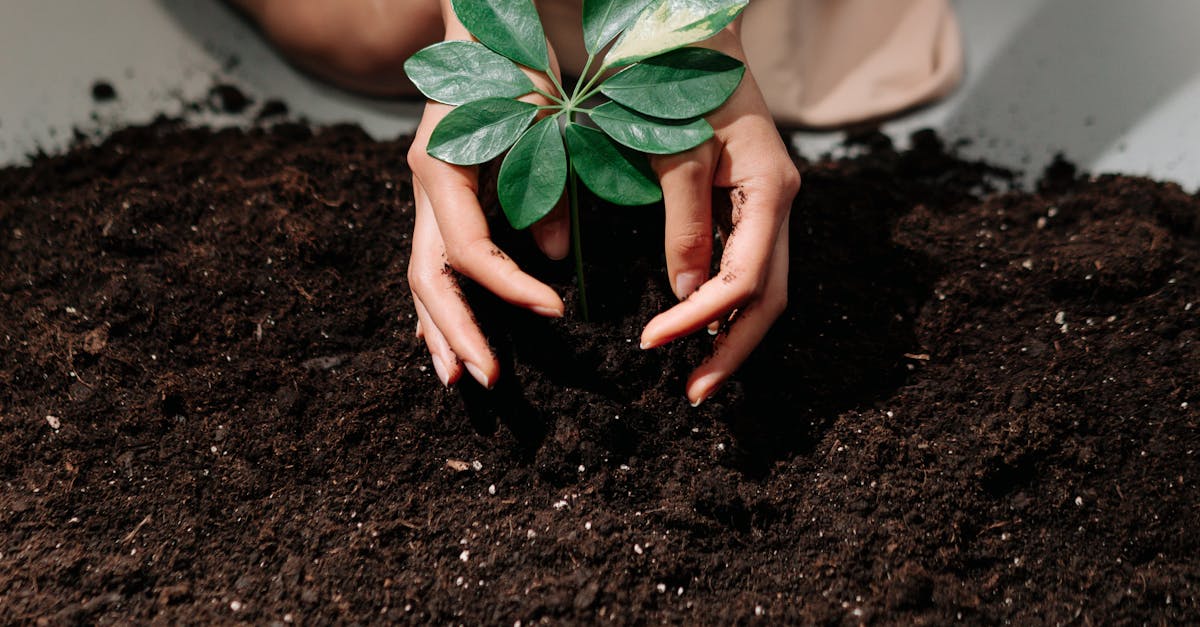
Seed dispersal mechanisms in Madagascar: a vital issue for biodiversity
Seed dispersal is a fundamental process ensuring the natural regeneration and stability of Madagascar’s ecosystems. The diversity of mechanisms—whether wind force, ingestion by animals, or transport by water—allows a wide range of plants to colonize diverse habitats. However, the decline of megafrugivores has disrupted this fragile balance. Seed dispersal is now severely compromised, with movement limited primarily by the size and weight of each seed. Large seeds, once dispersed by elephant birds or large lemurs, can no longer be dispersed effectively. This deficit prevents the colonization of previously unexploited areas, limits genetic diversification, and ultimately weakens the island’s ecological resilience. The remaining dispersal mechanisms, such as wind or water for certain species, are insufficient to compensate for this depletion of natural dispersal agents. The loss of these plants’ ability to reach their entire environment has direct repercussions on biodiversity. Understanding these mechanisms explains the extent to which the Malagasy ecosystem depends on a balanced interaction between animals and plants. Did you know that some natural dispersal techniques can still be restored? Restoring this dynamic is a crucial step to guaranteeing the survival of endemic species. The priority, therefore, remains to restore Madagascar’s natural dispersal agents, or failing that, to create artificial alternatives to maintain this essential symbiosis. Innovative Measures and Initiatives to Preserve Madagascar’s Plant Biodiversity Faced with Madagascar’s ecological crisis, the fight to conserve seeds and restore natural dispersal methods must be intensified. Scientists are proposing various strategies to compensate for the imbalance: the use of seed bombs to sow seeds in hard-to-reach or devastated areas. These pioneering initiatives can promote vegetation regeneration without relying on the presence of dispersal animals. Furthermore, the assisted reforestation project now incorporates the selection of small seeds, adapted to the current environment and compatible with dispersal by existing frugivores. The implementation of biological corridors, allowing the migration of small strawberries to still-intact areas, is another key measure for rebuilding the ecosystem. Raising awareness among local populations also plays a vital role. Promoting medicinal plants, such as the Madagascar periwinkle or the dragon tree, can encourage their protection and propagation, inevitably contributing to strengthening plant biodiversity. Integrated restoration, combining controlled human intervention with respect for natural balances, appears to be the only path to sustainable resilience. Collective mobilization within a coherent project could reverse the trend and guarantee the safeguarding of this unique island’s botanical heritage. The key lies in an alliance between science, communities, and environmental policies to preserve this precious resource.
Consequences of seed decline on the ecosystem and biodiversity in Madagascar
The reduction in seed size has direct and indirect impacts on the structure and stability of the Malagasy ecosystem. The increased difficulty for some plants to spread beyond their original habitat limits their ability to maintain genetic diversity. This results in greater vulnerability to external stresses, particularly climate change, which can rapidly disrupt the fragile ecological balance. For example, species that depended exclusively on giant dispersal plants for their survival are now on the verge of extinction, leading to irreversible habitat loss and greater fragmentation of the forest landscape. The gradual disappearance of these essential plants also jeopardizes the food chain, as many insects, birds, and small mammals depend on them for food and shelter. Furthermore, the decline in plant biodiversity also reduces soil resilience, making soils more vulnerable to erosion and degradation. Madagascar’s forests, a World Heritage site, are now in peril, suffering in particular from this silent but decisive transformation. The degradation of these natural environments, and by extension the alteration of biological cycles, is a serious warning for the international community. Safeguarding these seeds and restoring their dispersal is therefore an essential step in preserving the overall health of the Malagasy environment, an emblem of a biodiversity that remains unique. A thorough understanding of these issues, as well as the implementation of appropriate strategies, is essential to prevent this disintegration from becoming irreversible and permanently compromising Madagascar’s ecological balance. FAQ Why is seed size decreasing in Madagascar?
This trend is primarily due to the disappearance of megafrugivores, combined with human and climatic factors that favor the selection of smaller seeds, adapted to current dispersal methods.
What are the risks to biodiversity if this trend continues?
A continued reduction in large seeds can lead to the loss of rare plant species, habitat fragmentation, and increased vulnerability of ecosystems to climate change.
What solutions exist to reverse this trend?
Reforestation, the creation of corridors, the use of techniques like seed bombs, and increased awareness are all strategies that can mitigate this ecological crisis.
How does human pressure influence these changes?
Activities such as deforestation, extensive agriculture, and logging reduce natural habitats and destroy dispersal methods, thus accelerating the decrease in seed size.
How important is this conservation for Madagascar in 2026? Preserving plant biodiversity is essential not only for local survival but also for global stability, as Madagascar constitutes a unique ecosystem whose loss would be irreversible and have planetary repercussions.
Source:
www.geo.fr
🔗 Sources & références
Pour aller plus loin, consultez les sources citées dans cet article :
- which can compensate for the lack of natural dispersal. A coherent and reasoned intervention could reverse this trend, in order to preserve Madagascar’s fragile ecological richness. — niaouly.com
- Seed dispersal — fr.wikipedia.org
- Innovative Measures and Initiatives to Preserve Madagascar’s Plant Biodiversity — animateur-nature.com
- FAQ — actu.mu
Découvrez notre guide complet — destinations, budget, visa, faune et conseils pratiques pour préparer votre voyage.

📖 Vous aimerez aussi

Transition à Madagascar : la société civile et la Génération Z face aux doutes sur le « Programme de la Refondation »
3 March 2026
Fermeture de l’aéroport de Dubaï : chaos et désarroi chez les voyageurs bloqués
2 March 2026


