


For several months, Madagascar has been experiencing unprecedented tensions, with Generation Z playing a central role in the protests against Andry Rajoelina’s government. The difficult economic context, marked by a rising cost of living, persistent water and electricity shortages, and endemic corruption, has fractured society and mobilized a youth eager to see concrete change. Initially triggered by recurring disruptions to essential services, these demonstrations quickly expanded into a broader challenge to the current political system. The mobilization of young Malagasy people is not limited to the streets; it also manifests itself in a digital resistance where the connected Generation Z is deploying en masse to make its demands heard. Faced with this dynamic, President Rajoelina responded with cautious announcements, promising concrete measures within a year, under threat of resignation, during an official meeting that significantly marked the year 2025.
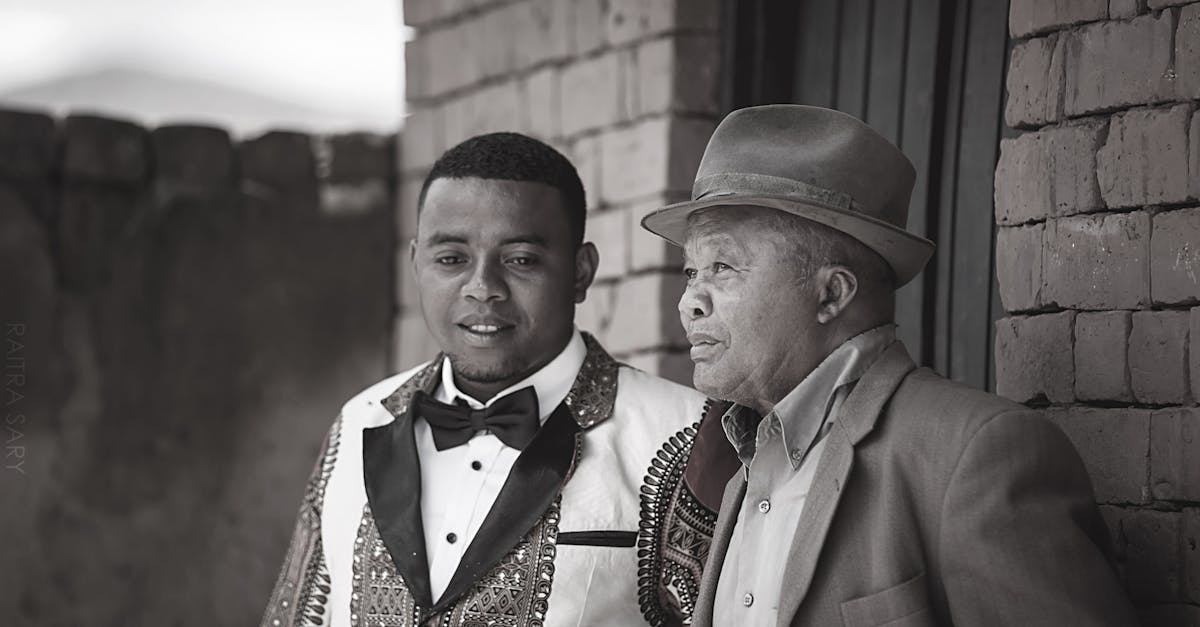
An engaged Malagasy youth: how Generation Z is challenging Andry Rajoelina’s power.
Malagasy youth have become the main actors in the protest movements, disregarding risks and repression. Generation Z, born into a society facing a structural crisis, is expressing its concerns through massive mobilization, making this period a true citizen revolution. Young people are realizing that their future is being decided now, in a time when the local economy is weakened and the lack of public investment is exacerbating precariousness. Their movement, dubbed on social media “Madagascar in turmoil: Generation Z challenges Rajoelina’s power,” reflects this desire to assert their place in local politics, beyond official rhetoric. The various actions, ranging from peaceful demonstrations to digital demands, illustrate a youth that refuses to remain passive in the face of instability. Malagasy youth have thus become an essential political force, questioning the legitimacy of a regime accused of ignoring its responsibilities in the face of social and economic challenges. The core demands of Madagascar’s Generation Z ✅ Improved public services, particularly electricity and water 💧 ✅ Fight against corruption and impunity ⚖️
✅ Job creation for young people 🧑💼
- ✅ Improvement of the education system 📚
- ✅ Transparency in governance 👁️🗨️
- The challenge for Rajoelina: resolve the crisis within one year or resign
- In response to growing pressure from youth mobilization, President Andry Rajoelina decided to take a risky gamble by promising concrete solutions to the problems within a year, and further pledging to resign if the situation does not improve. This declaration, made during a public meeting, was perceived as an attempt to regain control while simultaneously trying to engage in dialogue with Madagascar’s protesting youth. The president notably announced the implementation of energy projects aimed at addressing the recurring power outages, with the ambition of adding 265 megawatts to the national grid to respond to the electricity crisis that is fueling the protesters’ anger. However, this promise remains fragile and unconvincing to a segment of the population, who see this approach as merely a tactic to appease a social unrest that is now difficult to suppress. The crucial question remains: how far will Rajoelina be willing to go to satisfy this engaged youth, and what will be the consequences of this mobilization if his promises are not kept?
The risks of a power struggle between the government and Generation Z
This confrontation could precipitate a major political crisis if no concrete measures are implemented within the given timeframe. The mobilized youth, strengthened by their organization on social media, could increase their pressure or even resort to more radical actions if the situation does not improve. The fear of escalation is real, especially since each broken promise risks further undermining the legitimacy of the current government. The population, witnessing this growing tension, is expressing its concerns about prolonged water and electricity cuts which are fueling social anger. Managing the crisis will require heightened vigilance, but also the ability to unite all forces around a truly sustainable project. Generation Z, with its massive engagement, could become the narrator of a genuine political transformation if its demands are taken into account and if standards of real listening are established.
The events of 2025 have thus positioned this generation as an essential player in change.
A multifaceted crisis: between protests, takeovers, and political managementThe demonstrations in Madagascar are not simply a matter of discontent with water or electricity cuts. The structural crisis also reveals a challenge of political management, where the legitimacy of power is questioned at every turn. The appointment of new ministers, often denounced as mere window dressing, has failed to appease the population. The protests have transformed into a mass movement, based on a demand for genuine reforms to end a governance perceived as nepotistic and elitist. Given the tense security situation, the repression carried out by law enforcement is fueling a vicious cycle of increasingly virulent opposition. The question remains: what mechanisms can lead to a lasting political resolution, or is regime change the only possible outcome? To understand this, analyzing the repression against the movement is essential to grasping the issues at stake. The massive mobilization of young Malagasy people is part of a dynamic of profound change, the outcome of which remains uncertain.
The challenges of legitimacy and participatory governance
Popular demands highlight the urgent need to move beyond authoritarian governance. The growing mobilization of youth demands new forms of governance that integrate citizen voices at all levels. Participatory democracy, still a marginal concept in the Malagasy context, could emerge as a lasting solution to contain the crisis. However, the fear of simply recycling old governance models under a new guise remains strong. Recent history shows that these movements, if not accompanied by profound reform, risk quickly becoming ineffective. The international community, through experts such as those from the French political opinion group, is analyzing these challenges to encourage a more inclusive democratic transition that unites all the country’s vital forces. Malagasy youth must therefore build a future where their voice is respected, to prevent future cycles of crisis and instability. The impact of Generation Z mobilization on the international political scene: The engagement of the young Malagasy generation extends beyond the island’s borders, attracting the attention of the international community. The popularity of these movements stems from their media power, their ability to mobilize quickly, and their desire to redefine the local political landscape. Observers such as those at Le Monde They emphasize that Madagascar could become an example of democratic transition through popular pressure. Generation Z thus appears as a force for change, capable of influencing international politics through its demands. Their media presence, particularly through viral videos and social media campaigns, helps raise awareness of the situation throughout the region. The Malagasy dynamic is inspiring other similar movements in Africa, where young people are seeking to break free from the impasse of traditional power and initiate profound reforms. The challenge remains: how to transform this mobilization into sustainable progress by establishing genuine participatory governance?
https://www.youtube.com/watch?v=yqYZLm3sO1o Lessons Learned for the Future Governance of Madagascar This crisis presents a unique opportunity to rethink how power is exercised. Increased youth participation in political life, popular pressure, and demands for transparency should compel authorities to move towards more inclusive governance. The question now is whether this youth movement can transform this uprising into an engine of progress for Madagascar, or whether this period of turbulence will lead to a new impasse. Building a balanced governance model that involves all socio-political actors appears to be the key to overcoming this crisis. A participatory approach now could prevent the country from relapsing into a cycle of protest by integrating the voice of young people into the formulation of public policies, particularly in the fight against corruption and the management of natural resources. Establishing a genuine and transparent national dialogue, supported by strong institutions, would constitute a substantial step towards lasting stability. Through their engagement, Malagasy youth can thus contribute to building a more equitable and sustainable future for Madagascar.
A citizen-led movement that transcends the borders of Madagascar
The movements of Generation Z in Madagascar are not isolated. Across the African region, a wave of similar protests is unfolding, with young people demanding structural reforms to escape a state of chronic crisis. The convergence of these struggles is forging a pan-African collective consciousness, fueled by the rapid dissemination of information via social media. The resilience of this mobilization, in the face of attempts at repression, illustrates the determination of a generation that refuses to be marginalized. Recent history teaches us that these movements must be part of a collective reflection capable of leading to lasting change, rather than fleeting revolts. The key lies in the ability to transform mobilization into a civic dynamic that can result in fairer and more transparent governance. The Malagasy protests thus have regional repercussions, where young people are demanding a new relationship with power. https://www.youtube.com/watch?v=jBnZtR-TFHk
🔑 Issues
🎯 Objectives
⚠️ Risks
💡 Participatory governance Involving youth in decision-making
🚀 Energy modernization
| Addressing chronic power outages | Inability to keep government promises | 🔎 Fight against corruption |
|---|---|---|
| Strengthening transparency and accountability | Endemic corruption hindering reform | 🌍 Building national consensus |
| Promoting inclusive reforms | Political fragmentation, risk of prolonged crisis | 💪 Strengthening civil society |
| Uniting stakeholders around a common project | Political co-optation by conservative forces | How does Generation Z influence the political scene in Madagascar? |
| Madagascar’s Generation Z is mobilizing massively, primarily using social media to voice its demands against government policies, questioning Rajoelina’s legitimacy and pushing for genuinely participatory reform. | What are the main challenges facing Malagasy youth in 2026? | |
| The major issues are the fight against corruption, the improvement of public services such as electricity and water, job creation, and the establishment of inclusive governance to guarantee a stable and equitable future. | What can the authorities do to respond to the demands of young people? | It is essential that they establish a sincere and constructive dialogue, implement sustainable reforms in key sectors, and integrate the voice of young people into governance to ease tensions and prevent social escalation. |
Source: www.bbc.com
🔗 Sources & références
Pour aller plus loin, consultez les sources citées dans cet article :
- ✅ Improved public services, particularly electricity and water 💧 — afrik.com
- This crisis presents a unique opportunity to rethink how power is exercised. Increased youth participation in political life, popular pressure, and demands for transparency should compel authorities to move towards more inclusive governance. The question now is whether this youth movement can transform this uprising into an engine of progress for Madagascar, or whether this period of turbulence will lead to a new impasse. Building a balanced governance model that involves all socio-political actors appears to be the key to overcoming this crisis. A participatory approach now could prevent the country from relapsing into a cycle of protest by integrating the voice of young people into the formulation of public policies, particularly in the fight against corruption and the management of natural resources. Establishing a genuine and transparent national dialogue, supported by strong institutions, would constitute a substantial step towards lasting stability. Through their engagement, Malagasy youth can thus contribute to building a more equitable and sustainable future for Madagascar. — lopinion.fr
- Involving youth in decision-making — rfi.fr
Découvrez notre guide complet — destinations, budget, visa, faune et conseils pratiques pour préparer votre voyage.

📖 Vous aimerez aussi

Transition à Madagascar : la société civile et la Génération Z face aux doutes sur le « Programme de la Refondation »
3 March 2026
Fermeture de l’aéroport de Dubaï : chaos et désarroi chez les voyageurs bloqués
2 March 2026


