
Madagascar: A Historic Turning Point in Ocean Protection Through the Voices of Women
In the heart of the Indian Ocean, Madagascar is emerging as a global example in the fight for marine conservation, driven by women who are redefining their traditional roles and becoming true Guardians of the Ocean. This momentum, driven by the emergence of Madagascar’s EcoWomen engaged in the field, demonstrates a collective awareness but also immense potential for preserving a vital ecosystem threatened by irresponsible exploitation and climate change. As environmental issues accelerate in 2025, their initiative is part of a broader movement, driven by the need to save our seas and build a truly protective navy. Discover the wonders of the oceans, rich and varied ecosystems home to fascinating biodiversity. Dive into the exploration of the ocean depths, from incredible wildlife to the hidden mysteries of the seabed. Adopt a respectful vision of our oceans and learn how to preserve this vital habitat.The pivotal role of Malagasy women in preserving marine ecosystemsMalagasy women, long confined to traditional roles, now occupy a central place in the protection of their environment. Their commitment goes beyond the purely ecological framework to embody a true “women’s voice” in the face of the crucial challenges of biodiversity loss. The realization that women play an essential role in the fight for the survival of their natural heritage is accelerating their mobilization around local and national projects. In 2025, their involvement is increasingly recognized by the international community, notably through the “analysis of the situation of women in Madagascar,” which highlights their ability to catalyze change. Key Factors in Women’s Role in Marine Protection Description Community Mobilization 🌍 Commitment to local awareness-raising and education, particularly in rural areasResilience in the Face of Challenges 💪

Female Leadership 🌟
Taking Responsibility in Local Governance and Environmental Initiatives Flagship Projects of Women and the Ocean: Epicenter of Ecological TransformationThe concrete initiatives led byWomen and the Ocean
| are part of a resolutely ambitious approach, aiming to unite all stakeholders around a common project. These include the establishment of a community monitoring network, the creation of protected areas, and the promotion of traditional sustainable fishing practices. The emergence of these actions shows that local awareness can become a catalyst for structural change. For example, in Antrema, a village where women have become the driving forces behind sustainable development, this dynamic has helped limit the overexploitation of marine resources while generating alternative income from ecotourism. Their example, highlighted in several studies (read the study), illustrates how female empowerment is a real lever for ecological preservation. | Discover the vastness of the ocean, a fascinating world teeming with biodiversity, underwater mysteries, and breathtaking landscapes. Dive into the adventure of maritime wonders and explore the beauty and importance of our oceans. |
|---|---|
| The societal and environmental issues behind the mobilization of eco-women | The context of 2025 requires a detailed understanding of the issues affecting both Malagasy society and its marine environment. Persistent poverty, limited access to resources, and deforestation are causing further weakening of coastal ecosystems. However, the mobilization of the R حissé – Femme et Nature (Women and Nature) is working to reverse this trend by harnessing collective strength to transform the relationship between women and the environment. Their commitment is also a response to worsening coastal erosion, water contamination, and biodiversity loss. Their fieldwork also relies on raising awareness among younger generations, promoting traditional knowledge, and implementing alternative projects to overfishing. The FIG (Federation of General Institutions) emphasizes that this collective mobilization is essential to address the unprecedented crises of 2025 by sharing concrete strategies, such as participatory regulation or the development of sustainable economic activities. Main environmental and social challenges |
| Actions undertaken by the | Women Protectors |
| Coastal erosion 🌊 | Restoring mangroves and promoting participatory conservation |
Marine pollution 🐟 Organizing clean-up campaigns and raising awareness about the use of biodegradable plastics Overnutrition 🦐
Promoting sustainable and alternative fishing The power of training and empowerment for a sustainable Women and Nature Training is a crucial step in strengthening the autonomy and effectiveness of theEcoWomen of Madagascar . Initiatives such as conservation awareness workshops, project management training, and environmental literacy programs provide important leverage to advance their status. The ability to become Ocean Pioneersis not limited to their immediate commitment, but is part of a process of civic and economic empowerment. The link between training and sustainable development is all the more essential as it allows for the transformation of a passive perception into a real power of action. The reference to the study proposed by thecollection on the political participation of women in Madagascar
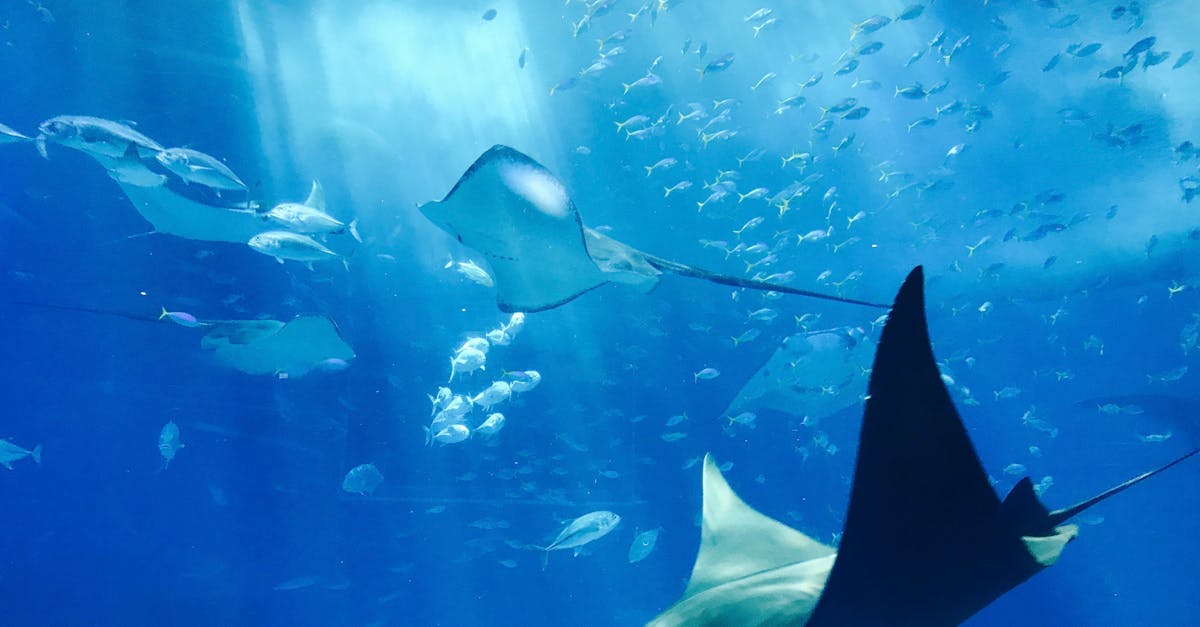
Discover the wonders of the ocean, a fascinating world filled with biodiversity, marine ecosystems, and underwater adventures. Explore its depths, admire the beauty of its aquatic landscapes, and learn the importance of preserving this vital environment.
The tangible impacts of women’s initiatives on the Malagasy marine ecosystem Since their rise to prominence, these initiatives have demonstrated concrete effects on the health of marine biodiversity. The ÉcoFemmes de Madagascar
| have contributed to the establishment of protected areas, the adoption of responsible fishing practices, and the revitalization of certain endangered species. Among the measurable results, the reduction in the incidence of illegal fishing and the increase in the richness of marine wildlife, particularly in regions such as Nosy Be and Tulear, remain proof that change is possible when collective commitment is supported by sustainable strategies. The table below details these positive effects: | Key Results 📊 Environmental and Socioeconomic Impacts |
|---|---|
| Reduction in Illegal Fishing 🚫 | Increase in Fish Stocks, Growing Local Incomes |
| Protection of Endangered Species 🐢 | Repopulation of Sensitive Areas, Safeguarding Habitats |
| Promotion of Ecotourism 🌿 | Job Creation, Economic Diversification |
Future Prospects for Sustainable and Innovative Women’s Mobilization As the fight for a Protective Madagascar intensifies, several strategic challenges are emerging to strengthen the impact of women’s actions. The integration of new technologies, such as remote sensing or drones, would increase marine surveillance. Collaboration with international organizations such as UNFPA and UNICEF is essential to finance and legitimize these efforts. Furthermore, access to justice and official recognition of their rights regarding property and environmental commitment remain priorities (see the UN Women Madagascar report). Their future also depends on the ability to multiply these “Guardians of the Ocean” by integrating each generation and each sector into a shared vision: that of a Madagascar where women and nature live in sustainable harmony. FAQ: Frequently asked questions about the role of women in ocean protection in Madagascar
How do Malagasy women participate in marine protection? They are active in monitoring, awareness-raising, community management, and the creation of protected areas, thus contributing to the preservation of natural resources. What are the main challenges faced by these women?Poverty, insecurity, lack of access to training, and lack of legal recognition still hinder their full participation, but targeted initiatives are beginning to reverse the trend. What concrete results can we observe by 2025? The reduction of illegal fishing, the protection of certain endangered species, and the growth of local ecotourism demonstrate significant progress.How can we support their commitment? By providing them with training, legitimizing their role through public policies, and promoting their funding.
information.tv5monde.com
🔗 Sources & références
Pour aller plus loin, consultez les sources citées dans cet article :
- The concrete initiatives led by — unicef.org
- is not limited to their immediate commitment, but is part of a process of civic and economic empowerment. The link between training and sustainable development is all the more essential as it allows for the transformation of a passive perception into a real power of action. The reference to the study proposed by the — mihari-network.org
- How can we support their commitment? — eces.eu
Découvrez notre guide complet — destinations, budget, visa, faune et conseils pratiques pour préparer votre voyage.

📖 Vous aimerez aussi

Transition à Madagascar : la société civile et la Génération Z face aux doutes sur le « Programme de la Refondation »
3 March 2026
Fermeture de l’aéroport de Dubaï : chaos et désarroi chez les voyageurs bloqués
2 March 2026