


A historic milestone: the opening of the first Turkish kebab restaurant in Antananarivo, Madagascar
In a geographical context marked by astonishing culinary diversity, this is a unique opportunity. The Malagasy capital is finally witnessing a true invitation to Anatolian flavors with the inauguration of the very first Turkish kebab restaurant in Antananarivo. The ceremony, held in the Akorondrano district, brought together an enthusiastic audience, diplomatic representatives, and local stakeholders in the gastronomy sector. The presence of Turkish Ambassador Ishak Ebrar Çubukçu and Minister of Tourism Viviane Dewa attests to the strategic and symbolic importance of this opening. The promise of a unique culinary journey, blending tradition and innovation, encourages us to rethink the potential for culinary diversification in Madagascar, while simultaneously strengthening intercultural ties through a dynamic of increased cooperation. Most Malagasy people, even those unfamiliar with Turkish cuisine, are discovering an ancient dish that’s still little-known but full of promise.
The Malagasy gastronomic context and the arrival of the Turkish kebab
Madagascar’s culinary scene has historically been dominated by local dishes rich in natural ingredients, including rice, zebu, and various varieties of seafood. However, this gastronomic mosaic remains relatively closed to outside influences, with the exception of a few neighboring African cuisines. The arrival of the Turkish kebab, or Madagascar’s “Bosphorus” thanks to this opening, marks an unprecedented turning point in the way Malagasy society perceives culinary diversity. The modernization of local gastronomy, encouraged by globalization, must now incorporate this new experience to meet the needs of a clientele seeking new flavors, while respecting local traditions. Moreover, the kebab craze is part of a broader desire for economic diversification, complementing a booming tourism sector. The challenge then lies in gaining acceptance for foreign cuisine while maintaining the authenticity that can appeal to both Malagasy people and foreign tourists. Discover everything you need to know about the kebab: its history, its preparation, its various recipes, and the best places to enjoy this essential street food sandwich.

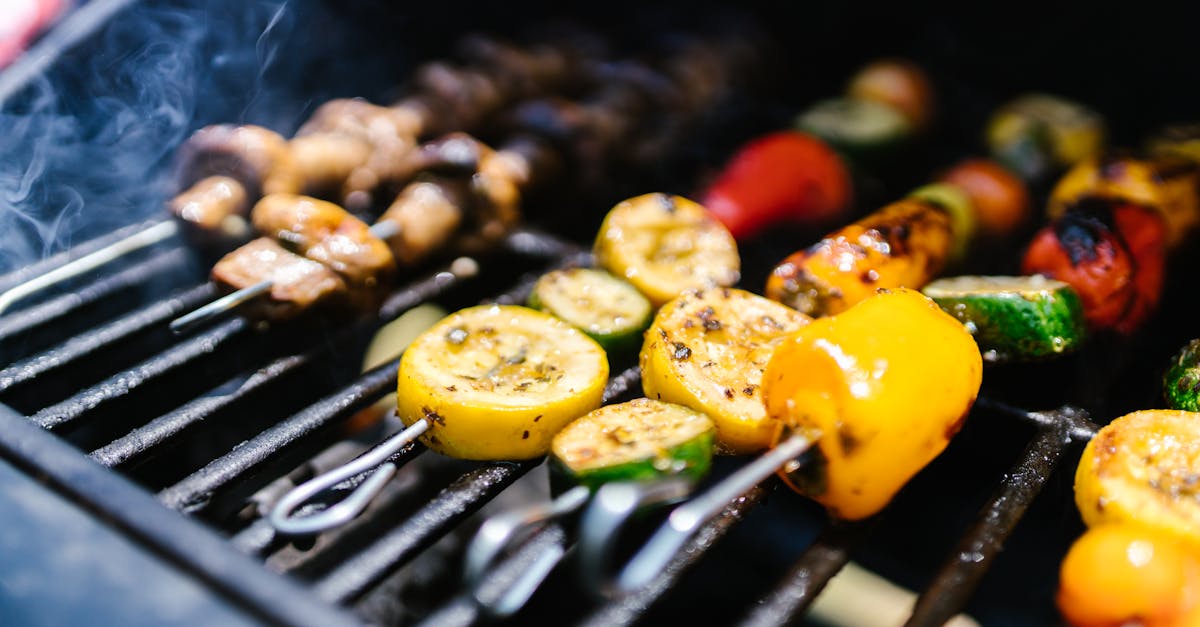
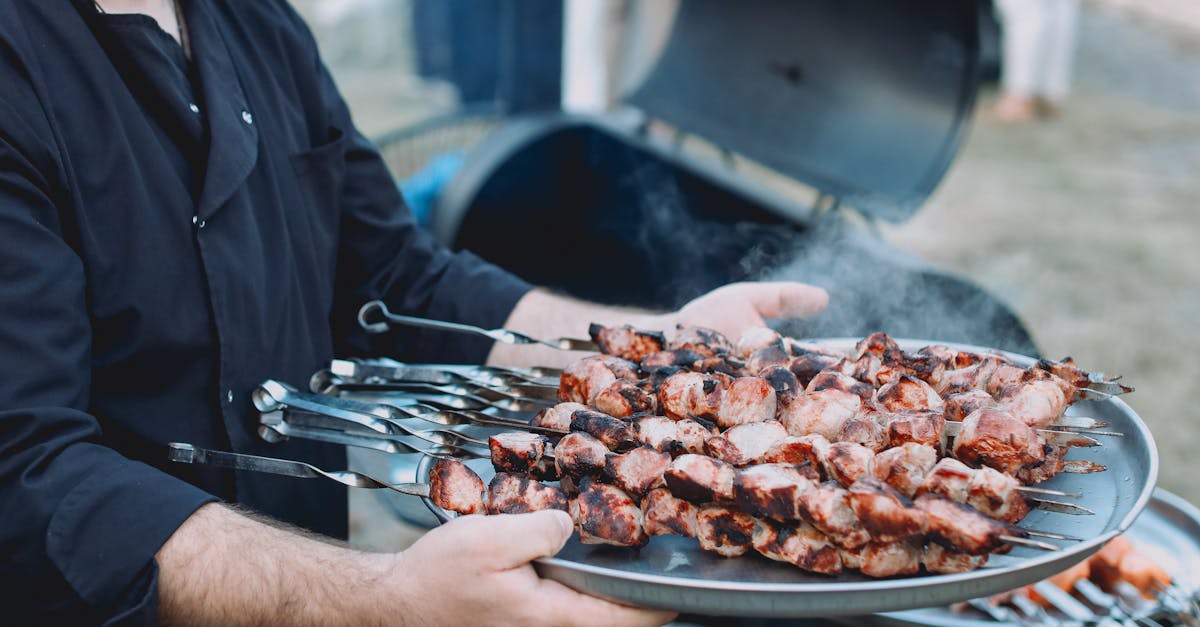
The Turkish kebab, or “Sultan’s Kebab,” is based on a thousand-year-old tradition rooted in Ottoman cuisine. In Antananarivo, this ancestral recipe has been adapted to appeal to a Malagasy audience while retaining its fundamentals. The secret lies in the use of local products such as zebu meat, marinated according to precise methods practiced in the Turkish tradition. The marinade, which lasts approximately four days, imparts an unparalleled tenderness and unique flavor, making authentic kebabs famous. Cooking, often on an Ottoman grill or over a wood fire, accentuates this highly prized delicacy. In addition to meat, the menu is enriched with specialties such as:
The “dürüm kebab” wrap 🚶♂️
- The “sambo kebab” 🍛
- The “Iskender kebab” 🍢
- The various kebabs 🔥
- The spicy köfte 🌶️
- The homemade baklava dessert 🥮
- Each dish reflects the symbiosis between the richness of Ottoman tradition and local creativity, resulting in a culinary experience that is as authentic as it is contemporary.
Discover everything about the kebab: its history, its delicious variations, and our tips for enjoying the best kebab, whether you’re a fan of oriental cuisine or looking for a gourmet break.
The creation of this restaurant marks a strategic step in the diplomatic and economic expansion between Turkey and Madagascar. The contribution of the conductor, in this case the ambassador, underscores a desire to strengthen exchanges through culture and gastronomy. The kebab, which has become a global icon, is now found in Madagascar in a localized form, responding to a desire to promote Malagasy products, particularly zebu meat and spices. The ambassador’s statement underscores its symbolic value: “This place is a bridge between two worlds, a vector of dialogue and cooperation.” The prospect of attracting other Turkish investors to the sector is already vibrant, both in the restaurant sector and in other economic areas, such as tourism and agro-industries. The key figure in the project, the owner, insists on a sustainable approach, favoring the use of local products to stimulate the economy, while respecting Ottoman culinary heritage. An authentic culinary experience through traditional Malagasy and Turkish recipes
The chefs involved in this project make a point of scrupulously respecting the Turkish recipe, while incorporating local elements to better suit Malagasy palates. Zebu meat, for example, marinated according to the Ottoman method, has been incorporated as a symbol of national pride, adopting the “Madagascar Doner” concept
local meat at the heart of Turkish tradition
. The preparation of baklava, an iconic dessert, requires more than 30 hours, adhering to standards of excellence. The fusion shaped by this cuisine demonstrates an effort to preserve a culinary art while adapting it to new local realities. The menu thus illustrates this desire to maintain the flavors of Turkey while showcasing Madagascar’s agricultural wealth. The cultural and educational impact of the new Turkish restaurant in MadagascarThe launch of KebaBe goes beyond mere dining: it is part of an educational and cultural approach. For some, it is about discovering Turkish culture through its culinary art, a reflection of its history, traditions, and foreign exchanges over the centuries. The presence of Ottoman cuisine in Madagascar opens a space for intercultural dialogue, encouraging a broader debate on gastronomic diversity and the importance of globalization in the transmission of knowledge. The dissemination of this culture, particularly through culinary workshops and festive events, helps to dismantle prejudices and stimulates the curiosity of younger generations. By demonstrating its commitment to an ancestral tradition, the restaurant also plays a unifying role in promoting tourism and education, encouraging awareness of a shared heritage to be explored and preserved for the future generation.
Communication and marketing strategies to sustain the Turkish kebab in Madagascar
To ensure the long-term success of this initiative, an innovative communication strategy is being deployed. A presence on social media platforms such as Instagram, TikTok, and Facebook helps create excitement around Turkish kebabs. Sharing recipes, preparation videos, and customer testimonials helps build an engaged community. Local promotion also relies on partnerships with food influencers and regular events. The recent YouTube video “Le Bosphore à Antananarivo” demonstrates the commitment of young Malagasy people to learning Turkish cooking techniques. Building customer loyalty will ideally involve promoting local ingredients, transparency in preparation, and a competitive pricing policy. Finally, this project must unite all stakeholders to make Turkish kebabs a vector for sustainable economic and tourism development, going beyond a mere passing fad.
https://www.youtube.com/watch?v=7SgGWwFo86Q
A significant gastronomic transition for Antananarivo: opportunities and challenges
Challenge / Opportunity
Authenticity
| Adapt the recipe while preserving its Ottoman soul 🌍 | Economic |
|---|---|
| Stimulate the local economy through the use of Malagasy products 🥥 | Communication |
| Unite a community around flavors with a targeted digital campaign 📱 | Education |
| Create an educational space to promote Turkish culture 🎓 | Future prospects: Turkish kebab as a vehicle for intercultural dialogue in Madagascar |
| Beyond a simple dish, the opening of KebaBe also embodies a dialogue between two cultures, Turkish and Malagasy, enriched by the transmission of knowledge, crafts, and traditions. The vitality of this approach could pave the way for other cultural, tourism, and educational collaborations, strengthening Madagascar’s place on the international scene. The ability to integrate and promote these innovative exchanges could also stimulate both economic and cultural development, building lasting bridges for the future. The rise of this establishment could thus become a benchmark, encouraging other entrepreneurs to explore similar avenues, building a more open society, rich in exchanges and culinary diversity. | What is the origin of the Turkish kebab? |
The Turkish kebab has its roots in the Ottoman tradition, developed several centuries ago in the Bosphorus region, incorporating different grilling and marinating techniques.
How does the local Malagasy kebab adapt to the traditional recipe? It uses marinated zebu meat with local spices, while respecting the Ottoman cooking method, to respect authenticity while promoting local products.
What are the main challenges to the sustainability of Turkish kebab in Madagascar?
Respecting authenticity, using local products, building customer loyalty, and effective communication are key to ensuring the long-term success of this innovative cuisine.
What benefits could this opening bring to Madagascar?
It promotes job creation, boosts the tourism sector, strengthens intercultural ties, and stimulates the local economy by promoting Malagasy know-how and products.
Can Turkish kebab become a staple in Antananarivo?
With the right strategy, the promotion of local ingredients, and effective marketing, it could become a staple in the Malagasy capital.
Source:
www.aa.com.tr
🔗 Sources & références
Pour aller plus loin, consultez les sources citées dans cet article :
Découvrez notre guide complet — destinations, budget, visa, faune et conseils pratiques pour préparer votre voyage.

📖 Vous aimerez aussi

Transition à Madagascar : la société civile et la Génération Z face aux doutes sur le « Programme de la Refondation »
3 March 2026
Fermeture de l’aéroport de Dubaï : chaos et désarroi chez les voyageurs bloqués
2 March 2026


