A legendary wreck belonging to the Pirates of Madagascar revealed off the coast of Sainte-Marie Island
For several decades, the mystery surrounding the sunken treasures of the oceans has fascinated enthusiasts and researchers alike. Today, this fascination is heightened by the recent discovery of a legendary wreck, presumed to be that of the ship of the famous pirate Olivier “La Buse” Levasseur. Benefiting from a multidisciplinary collaboration between archaeologists, historians, and experts in nautical archaeology, this discovery offers unprecedented insight into the golden age of piracy in the Indian Ocean. Beyond its mythical dimension, this wreck raises crucial issues related to the preservation of maritime heritage and the need to reclaim the Pirate Legacy, often relegated to fictionalized tales. Madagascar’s strategic geographic location, which has always played a key role in sea battles between corsairs and explorers, reinforces the importance of this discovery in the global context of heritage conservation and the deciphering of the historical ribbons left by these famous figures. In this environment where legends, geopolitical issues, and scientific challenges intertwine, the emergence of this wreck seems to support the collective awareness of the need to preserve the maritime mysteries of the past while stimulating a renewed interest in research.

The origins and legend of the ship of the pirate Olivier Levasseur
The story of the ship discovered near Madagascar is part of a rich and eventful historical narrative. In April 1721, the Pirates of Madagascar, under the banner of figures such as Olivier “La Buse” Levasseur and John Taylor, allegedly captured and hijacked a Portuguese man’o’war vessel named the “Nossa Senhora do Cabo.” At that time, Madagascar was a strategic post for privateers, who took advantage of the waters rich in treasure from overseas trade routes to India and Africa. The ship’s epic story is also framed within the brutal historical context of the transoceanic slave trade, with its cargoes of gold, precious fabrics, and religious artifacts, as well as its 200 slaves destined for Madagascar. Thus, this capture marks the fusion of the Pirates’ Legacy with a tangible historical reality. After their capture, Olivier Levasseur and his accomplices reportedly renamed the ship “Victorieux” before mooring it on Madame Islet in Sainte-Marie. It was there that the legend thickened, as the cargo buried in its holds remains the object of covetousness and research. The breakdown of the alliance between the pirates is said to have led to its deliberate scuttling, causing it to sink to the bottom of the ocean, while preserving a considerable historical legacy. Several elements now attest to this story, including artifacts unearthed during successive excavations. The name “Nossa Senhora do Cabo” attests to the ship’s Portuguese origins, reinforcing theories of a colonial fleet involved in domestic and foreign maritime trade. The coded inscriptions and religious ivory artifacts indicate an Indo-Portuguese origin, typical of this period.The dimensions, estimated at 30 meters, correspond to the characteristics of the “man’o war” used for long ocean-going missions.
This ancestral tale is an integral part of the local collective memory, rooted in the long history of Corsairs and Explorers who shaped the area, while today fueling a strong curiosity about these Legends of the Sea. Discover the fascinating world of pirate ships! Explore the history of the legendary ships that sailed the seas, their daring crews, and the treasures they conquered. Immerse yourself in the pirates’ adventures and let yourself be carried away by their epic tales.Material evidence reinforces the hypothesis of the discovery of the mythical ship
- Underwater excavations conducted since 2015 have made it possible to piece together a puzzle made up of approximately
- 3,300 artifacts
- from the depths of the Sainte-Marie lagoon. Among them, several valuable elements confirm the historical trail, notably:
Ivory crucifixes from India, attesting to a direct link with the Indo-Portuguese fleet, often associated with religious colonization and religious trade 🛐
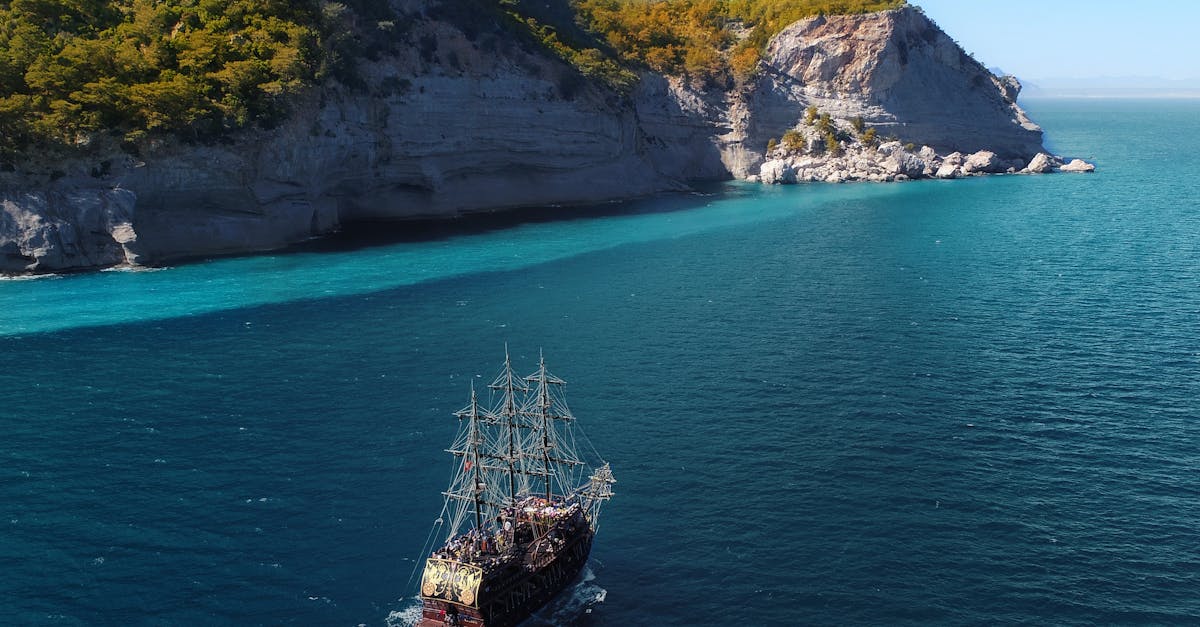
An ivory plaque with the inscription “INRI,” recalling the religiosity and Catholic heritage of the ships of this period ✝️
Artifacts OriginSignificance
- Ivory crucifix
- India
- Indication of religious presence on board
| Nutmeg harvest | India-Africa | Luxury trade, link with the maritime route |
|---|---|---|
| “INRI” plaque | Europe/India | Religious influence and religiosity of the crews |
| These elements, combined with the ship’s construction technique, including some fragments made of modified copper alloys, indicate a precise origin and a likely later modification by Levasseur, aimed at improving the speed or strengthening the robustness of their ships—a common practice among 18th-century pirates and corsairs. | https://www.youtube.com/watch?v=oNLi-jEA7UM | The Challenges of Preserving and Studying This Wreck |
| Discovering a vessel of this magnitude represents a valuable opportunity for nautical archaeology, but it also raises major conservation challenges. The wreck’s vulnerability to natural phenomena such as the tide or chemical corrosion is an obstacle that the scientific community must overcome. To this end, various protective measures have been implemented, including: | Partial covering of the wreck with ballast stones to limit erosion | Extension of excavations while strictly respecting the marine environment |
In-depth study of artifacts to confirm the origin and precise dating of the wreck
Solutions
Impacts
- Chemical erosion
- Protection with ballast stones
- Preservation of structural integrity
| Tides and movements | Seasonal excavations and stabilization | Control of the wreck’s fragility |
|---|---|---|
| Human impact | Strict access control | Preservation of the site and heritage |
| These efforts are part of an approach uniting all stakeholders around a common project for the sustainable conservation of the Treasure of the Oceans, broadening the historical understanding of the Pirates of Madagascar and their influence on the geopolitics of the time. The impact of this discovery on the Pirate Heritage and their representation in popular culture | The discovery of such an iconic ship not only revives the myth of Corsairs and Explorers, but also contemporary issues related to collective memory. Promoting this legacy fosters cultural reappropriation while also sparking a keen interest in maritime heritage. Tourism and educational projects are now building on this discovery, allowing for a better understanding of the events that shaped Madagascar’s maritime history. | The oral and legendary stories passed down from generation to generation take on a new dimension with the scientific validation of this wreck. It thus becomes a powerful symbol, illustrating the intersection of history and legend, while helping to overcome the clichés often associated with piracy. The richness of this heritage paves the way for a revival of interest in all these forgotten maritime mysteries, fostering the development of sustainable heritage tourism. Discover the fascinating world of pirate ships, from legendary stories of buccaneers to adventures on the high seas. Dive into the history of corsairs, explore famous warships, and experience thrilling moments through tales of adventure and hidden treasure. |
| The Geopolitical and Regional Implications of the Discovery | Beyond its archaeological aspects, the recent find also influences geopolitical issues in the Indian Ocean region. Sovereignty over these underwater remains quickly raises ethical and diplomatic questions, particularly regarding the shared management of heritage between Madagascar, France, and other international actors. Coordination between these entities must be established in compliance with international legislation on the protection of historic marine sites. | Furthermore, this discovery strengthens Madagascar’s strategic position in the region, placing it at the center of a debate on conservation, maritime security, and sustainable resource exploitation. The fight against the plundering and illicit exploitation of maritime treasures is becoming a regional issue, requiring both diplomatic and environmental mobilization, particularly in the context of relations between the Africa-Indian Ocean region and international powers. |
Actors involved
Role
Challenges
Madagascar
Regulation and financing
France
Expertise, international cooperation
| Fair sharing of resources, maritime legislation | International organizations | Protection and recognition |
|---|---|---|
| Harmonization of global policies | Finally, this discovery could serve as a catalyst for better regional cooperation, by integrating the historical dimension into a global geopolitical framework, around a common project to protect the treasures of the oceans. https://twitter.com/free/status/1648972743180705793 | Future Outlook and New Research Avenues |
| After this major milestone, the future of this maritime excavation requires increased mobilization of resources to better understand the impact of this wreck. Innovative techniques, such as high-definition 3D modeling, digital seabed dynamics, and the use of artificial intelligence, will be essential to accelerate discoveries and preserve the integrity of the site. | Furthermore, the development of international collaborations could open new avenues, including: | Data sharing between scientific institutions for a comprehensive understanding |
| Joint restoration and conservation programs to ensure the longevity of artifacts | Educational initiatives to raise public awareness of the importance of nautical archaeology | New Technologies |
Main Applications
3D Modeling
Virtual Reconstruction of the Ship
Accessibility and Detailed Study
- Artificial Intelligence
- Fragment Analysis and Dating
- Increased Precision
| Autonomous Underwater Exploration | Robotic Systems to Access Inaccessible Areas | Safety and Efficiency |
|---|---|---|
| In short, this discovery reaffirms the vital role of marine archaeology as a tool for historical decipherment, while laying the foundations for more responsible and innovative management of marine remains. Continued research is urgent, in a context where ecological and heritage issues converge to uphold the memory of the Pirates of Madagascar and preserve their mark on universal history. | Key Questions About the Ship Found Near Madagascar | What is the exact date of the ship’s construction? |
| – According to the archaeological evidence collected, it could date back to the early 18th century, a boom period for piracy in the Indian Ocean. What are the main discoveries that confirm its identity? | – The presence of specific artifacts such as the “INRI” plaque and the ship’s construction technique are key. | What are the challenges for long-term conservation? |
| – The wreck’s vulnerability requires the implementation of innovative strategies to ensure its longevity. | How does this discovery influence collective memory? | – It contributes to the revival of the pirate myth and the cultural promotion of Madagascar and the region. |
Is there a risk of looting or destruction?
– Security measures and stronger legislation are essential to protect this precious heritage.
- Source: www.geo.fr
Découvrez notre guide complet — destinations, budget, visa, faune et conseils pratiques pour préparer votre voyage.

📖 Vous aimerez aussi

Transition à Madagascar : la société civile et la Génération Z face aux doutes sur le « Programme de la Refondation »
3 March 2026
Fermeture de l’aéroport de Dubaï : chaos et désarroi chez les voyageurs bloqués
2 March 2026