


Faced with the worsening economic crisis in Madagascar, an alarming phenomenon is affecting a growing number of families: the need to sell off their assets to ensure their children have a decent start to the school year. In a country grappling with rampant poverty and a fragile education system, this situation highlights profound distress. The start of the school year, usually a time of hope for Malagasy youth, has become a financial ordeal for many families, where selling their essential possessions seems the only way to cope with the rising costs of education. The reality is that this relentless pressure is impacting the daily lives of millions of Malagasy people, who are forced to part with their family wealth, often passed down through generations, to cover school fees, supplies, and uniforms.
This context of extreme hardship, exacerbated by persistent inflation and high unemployment, further weakens social cohesion in a country where access to education remains a right that is still difficult to guarantee for all. Liquidating assets then becomes a desperate measure, leaving personal development projects and the collective future of the Malagasy nation in the shadows. Public solidarity and social assistance, though essential, struggle to keep pace with this social emergency. The difficulty is not only financial, but also moral, as it calls into question the very dignity of entire families who see their past, their family heritage, go up in smoke while they continue to hope for a better future for their children. The situation is so critical that it has sparked international awareness of the need to broaden the national debate around a more equitable educational and social model, capable of overcoming this crisis without leaving behind those who suffer the most.
Malagasy families face a series of insurmountable challenges in their daily struggle to provide their children’s education. The sale of everyday items, such as furniture, agricultural tools, or family jewelry, testifies to the gravity of the situation. Beyond simple financial necessity, this practice reflects a profound break with cultural and family heritage, which often represents a lifetime’s legacy. The economic crisis, within the global context of 2026, has severely weakened the local economy, significantly reducing purchasing power and exacerbating poverty, particularly in rural areas where access to education is already limited. The costs associated with the start of the school year have been steadily increasing for several years, due in particular to the rising prices of supplies, uniforms, and transportation. While the government attempts to support the population through certain social assistance programs, it is insufficient to offset this surge in expenses that families must bear on the ground. The direct consequence is a downward spiral of distress, where children are exposed to educational exclusion, even though their presence in the classroom remains essential for Madagascar’s future development. Families’ cash reserves are rapidly dwindling, fueling a vicious cycle where poverty and illiteracy reinforce each other. For many, liquidating assets is not an ideal solution, but an escape from an unprecedented crisis that demands a stronger collective effort.
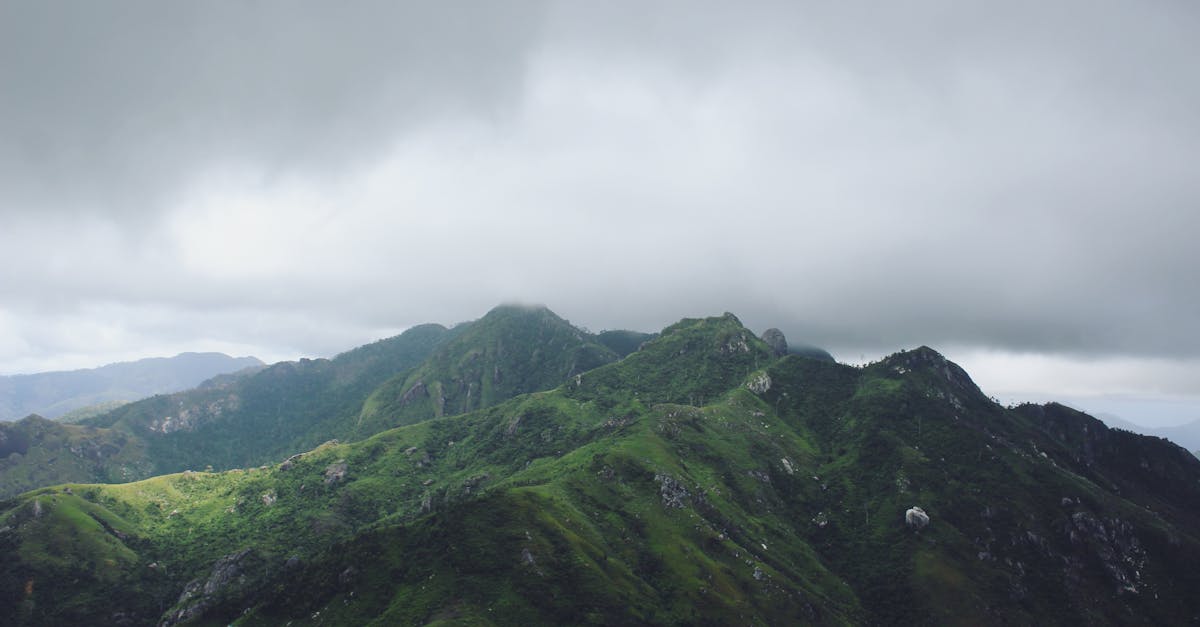
Discover Madagascar, a unique island rich in biodiversity, idyllic beaches, authentic culture, and breathtaking landscapes.
The goods often sold in haste include antique furniture, household appliances, and even farmland. The sale of land, which often represents the only tangible assets of rural families, exposes them to increased vulnerability in terms of food security and economic stability. Similarly, the disposal of valuable items such as jewelry or electronic equipment reflects the desperation in which these households find themselves. The gravity of the situation lies in the fact that this liquidation occurs at a time when the future of many children is compromised, barely allowing them to continue an unfinished education.
| Types of Assets Sold | Direct Impact | Long-Term Repercussions |
|---|---|---|
| Furniture and Appliances 🛋️ | Loss of daily comforts and family assets | Deterioration of living conditions, reduced economic capacity |
| Agricultural Land 🌱 | Compromised food security, increased debt | Social insecurity and vulnerability for future generations |
| Jewelry and Valuables 💍 | Rapid liquidation in the face of financial emergency | Loss of cultural and family heritage |
Social and Educational Consequences for Malagasy Youth
At the heart of this downward spiral are Malagasy youth, whose future is severely jeopardized by the accelerated liquidation of family assets to finance the start of the school year. Indeed, while education is a determining factor in a country’s development, in Madagascar, it also becomes a commodity that must be sold for survival. Children from financially disadvantaged families are often forced to abandon their schooling or face precarious learning conditions, with few or no educational resources and failing infrastructure.
This phenomenon exacerbates social inequalities, widening the gap between those who can afford quality education and those who must make do with makeshift solutions or drop out altogether—a reality denounced by many stakeholders in education in Madagascar. The decline in school enrollment rates is not just a statistic, but a direct threat to the country’s future stability. The loss of children’s potential, which is central to the development of human capital, is becoming a tangible reality for many, and this is even beginning to be reported by the international press.

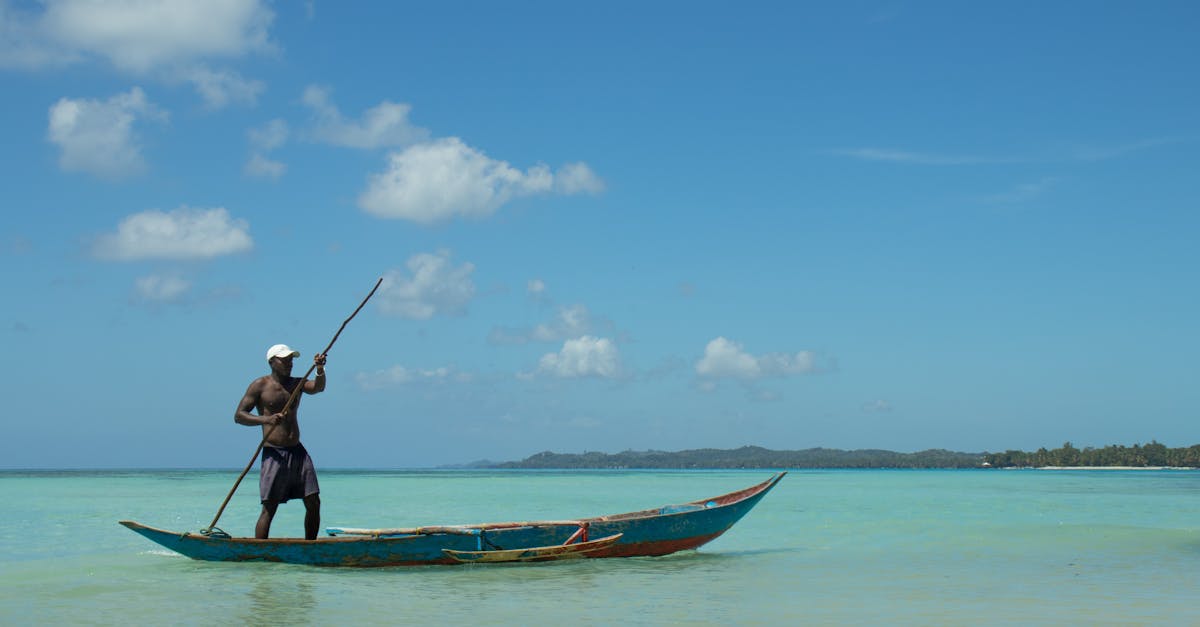
Discover Madagascar, a paradise island rich in biodiversity, unique culture, and breathtaking landscapes. Explore its beaches, rainforests, and exceptional nature reserves.
Impact on children’s motivation and future career prospects
Reduced access to education undermines confidence in the future. Many young people drop out of school early due to lack of resources or difficult circumstances. The sustainability of their education is compromised, resulting in a generation that is less qualified, less innovative, and less competitive in the job market. The liquidation of assets, intended to ensure continued access to education, quickly appears to be a temporary measure that cannot sustainably address the structural weaknesses of the Malagasy education system. The situation calls for a comprehensive emergency response capable of redefining a more sustainable path for the future of Malagasy children.
National and international mobilization to support education in a challenging context.
Aware of the problem, the international community, through NGOs and financial institutions, is supporting local efforts. Initiatives for financial support, resource redistribution, and structural reform of education in Madagascar have been proposed, but they remain insufficient to meet the urgent needs. Solidarity must be expanded to prevent the liquidation of assets from becoming the norm, but rather an exceptional measure within an ambitious educational and social policy framework.
The call for awareness is also being heard within civil society. The mobilization of local stakeholders, teachers, and parents must converge toward a single objective: building a more resilient educational environment in the face of crises, an essential step to safeguarding the country’s future. The concrete implementation of an effective social support policy could curb this dramatic phenomenon and ensure that every child has access to a quality education, without having to sell their possessions or their dreams. Concrete Actions to Improve the Situation
Several concrete measures must be taken quickly to reverse this worrying trend:
- Strengthen social assistance for vulnerable families 🧑🤝🧑
- Develop free or low-cost education programs 📚
- Promote microloans for the resumption of agricultural or commercial activities
- Implement awareness campaigns on the importance of preserving family assets
- Create psychological support mechanisms for families in distress
Each of these actions must be part of a comprehensive strategy, uniting all stakeholders capable of addressing this educational and social crisis. International solidarity is also essential to catalyze these efforts, in order to build a future where education is no longer a commodity resulting from economic hardship.
https://www.youtube.com/watch?v=E4eHH1kmQ5U
How does the liquidation of assets impact education in Madagascar?
It depletes family resources, diminishes cultural heritage, and jeopardizes children’s educational future.
What measures can help alleviate families’ financial difficulties?
Strengthened social assistance, free school supplies, and tailored training can provide relief to these families.
Can international aid make a difference?
Yes, by providing targeted funding, supporting educational reform, and strengthening social cohesion.
What are the sustainable solutions for a more resilient education system? A profound reform, better resource allocation, teacher training, and the development of accessible infrastructure.
🔗 Sources & références
Pour aller plus loin, consultez les sources citées dans cet article :
Découvrez notre guide complet — destinations, budget, visa, faune et conseils pratiques pour préparer votre voyage.

📖 Vous aimerez aussi

Transition à Madagascar : la société civile et la Génération Z face aux doutes sur le « Programme de la Refondation »
3 March 2026
Fermeture de l’aéroport de Dubaï : chaos et désarroi chez les voyageurs bloqués
2 March 2026


