
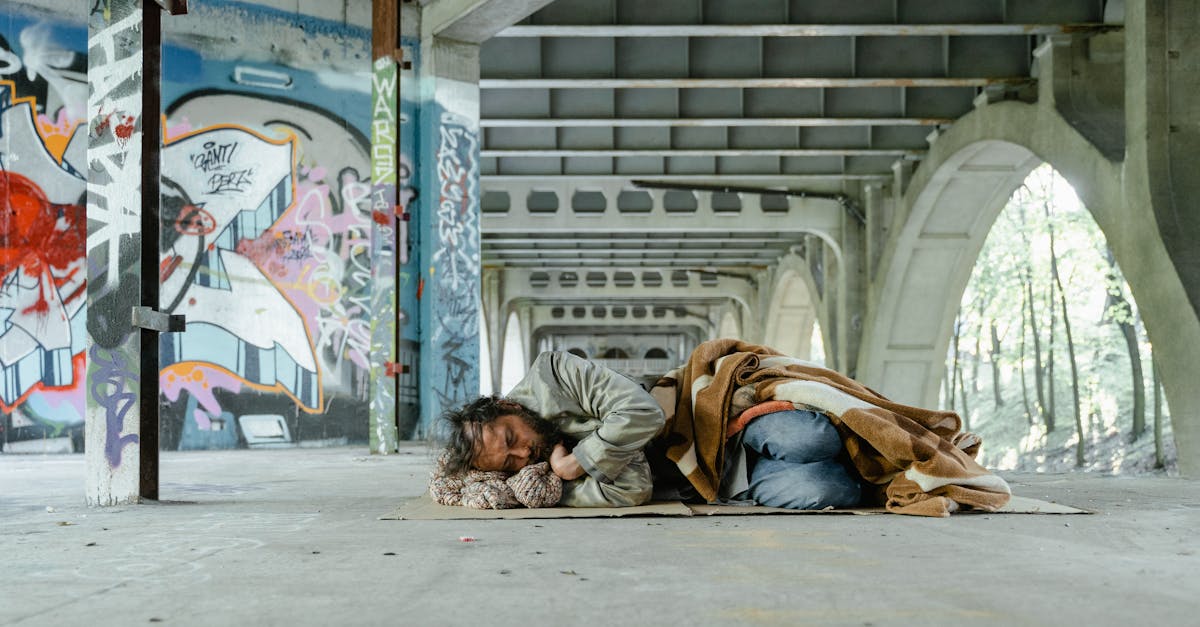

Malagasy Homeless People Facing Winter: A Quest for Shelter and Warmth in a Precarious Context
Each year, when the southern hemisphere winter spreads across Madagascar, a grim reality persists in the shadow of the solar warmth promised to less vulnerable regions. The homeless, often invisible or marginalized, face a brutal challenge: surviving the freezing temperatures, which, in some cases, lead to significant loss of life. The situation of these vulnerable populations intensified in 2025, revealing the weakness of aid systems and the urgent need for collective mobilization to provide them with a minimum of protection. Between the absence of real shelter, endemic poverty, and a lack of emergency measures, these individuals fight every night to preserve their lives in degrading conditions, where the biting cold remains their main enemy. While the sun holds the promise of a better tomorrow for many, for these people it is but a distant dream, in a daily struggle to find shelter, however fragile, against the icy wind and the merciless nightfall.

The Precarious Conditions of the Homeless: A Winter That Exposes Vulnerability in Madagascar
On the streets of Antananarivo, the capital, and in the Hauts-Plateaux, where temperatures can drop to 10°C or even lower, the majority of homeless people have few options for shelter. Their daily lives are marked by a constant struggle against the cold, fueled by persistent poverty and the near-total absence of suitable shelters. Many settle in makeshift shelters, often improvised from scavenged materials, where the wind and humidity further exacerbate their weakness each night. Most of these people are forced to share these spaces, sometimes abandoned, in a desperate attempt to keep warm. Yet, these improvised shelters prove insufficient in the face of the icy temperatures, rarely providing protection from the biting cold. The collective effort to help them remains too weak, exacerbating their precariousness and eroding their hope of one day seeing a real shelter offering them a minimum of warmth and dignity. Determining Factors
| Description | Consequences | Poverty |
|---|---|---|
| 💸 Lack of resources to access housing or emergency shelters | Increased vulnerability to extreme temperatures | Harsh climates |
| ❄️ Falling temperatures, strong winds, humidity | Increased risk of illness and death | Lack of infrastructure |
| 🏚️ Lack of reception centers or permanent shelters | Prolonged exposure to the cold without adequate protection | Local initiatives: between spontaneous solidarity and institutional approaches |
In the face of the winter emergency, various forms of solidarity have emerged to try to alleviate the suffering of the homeless. In Antananarivo’s working-class neighborhoods, families, associations, and ordinary citizens are reaching out, making blankets, sharing hot meals, or building temporary shelters using recycled materials. These often spontaneous gestures reflect profound solidarity but remain insufficient to address the scale of the crisis. Coordination of institutional actions, meanwhile, remains weak, exacerbating the fragility of emergency measures. Organizations such as the Borgen Project are attempting to strengthen these efforts by proposing sustainable solutions for the reintegration and security of the homeless. Their goal is to broaden the national debate on the issue by uniting all stakeholders to provide more effective care. However, these initiatives still struggle to fully address the extent of winter hardship, illustrating an urgent need for better coordinated plans and more substantial funding. Discover the challenges of homelessness, its root causes, and possible solutions to help homeless people. Learn about the initiatives and actions that can be implemented to combat this social scourge.

Cardboard Boxes
📦
| Lightweight, easy to assemble | Limited, but portable, wadding insulation | Old sheet metal or plastic |
|---|---|---|
| 🛠️ Weather-resistant, waterproof | Protection against humidity and wind | Reclaimed Material |
| ♻️ Made from scraps, improvisation | Meets an urgent, but short-lived need | Health and psychological issues related to the cold among the homeless |
| The consequences of nights spent battling freezing temperatures are not limited to physical exhaustion. The health of the homeless is seriously threatened by prolonged exposure to the cold, which increases the risk of hypothermia, pneumonia, and other respiratory infections. The situation worsens when the lack of reinforced shelter is recognized, particularly in a context where medical care remains inaccessible for many. Moreover, the psychological dimension should not be overlooked. The cold accentuates loneliness, anxiety, and feelings of abandonment, fueling a vicious cycle of despair. The isolation, reinforced by the global health crisis in 2025, further complicates the response to this mental distress. Protection against the cold must also include psychological support, essential to restore a modicum of hope and encourage access to more sustainable and appropriate support structures. Discover the causes, challenges, and solutions to the problem of homelessness. Learn about initiatives to help homeless people and explore how everyone can contribute to improving this social situation. | Sustainable solutions for reintegrating the homeless into Malagasy society | Eliminating the immediate threat of the cold should not be seen as an end in itself, but as a starting point for a long-term strategy. The establishment of modern shelters capable of providing warmth, dignity, and personalized support is an essential step. It must be accompanied by vocational training programs and assistance with social and economic reintegration, particularly through microcredit or training in local trades. The rehabilitation of degraded neighborhoods, the creation of employment programs for the underprivileged, and raising public awareness of solidarity are all essential levers. The fight against homelessness in Madagascar requires clear political will, strengthened international solidarity, and a collective commitment to building a society where every human being enjoys a minimum level of protection against the harshness of winter. It is imperative to broaden the debate on these crucial issues, drawing inspiration from initiatives such as those of Raoul Follereau, in order to make a collective dream a tangible reality for all. Key Actions |
Objectives
Expected Outcomes

🏘️
Providing Warm and Safe Shelter Reduction in Cold-Related DeathsEconomic Integration Programs
| 💼 | Promoting Return to Work and Self-Reliance | Sustainable Reduction in Homelessness |
|---|---|---|
| Awareness-Raising Campaigns 📣 | Mobilizing Society Around Solidarity | Sustainable Cultural and Social Change |
| International Issues and Global Commitment to Helping the Homeless in Madagascar The winter crisis of 2025 also highlights the importance of a global perspective on the situation in Madagascar. International awareness must be accompanied by financial, technical, and logistical support to strengthen the fight against homelessness. This includes fostering partnerships between governments, NGOs, and multilateral institutions to develop strategies integrating prevention, emergency assistance, and sustainable reintegration. The implementation of donor-funded programs, accompanied by global awareness campaigns, would unite all stakeholders around a common project focused on expanding shelters and providing access to warmth for the most vulnerable. Madagascar, a poor but hopeful country, must benefit from this solidarity that transcends borders to face each winter and each humanitarian crisis, building a future where the warmth of solidarity will be the best protection against the cold. | Frequently Asked Questions (FAQ) | How do we help the homeless during winters in Madagascar? Local community initiatives, reinforced by public policies, aim to provide emergency shelter, blankets, and hot meals. Coordination with NGOs and projects like Borgen is essential for a sustainable response. |
| What are the main challenges in protecting the homeless from the cold? The lack of adequate infrastructure, extreme poverty, inadequate social services, and psychological isolation complicate the implementation of effective measures. | What are the long-term challenges in solving the homelessness problem in Madagascar? | The creation of sustainable shelters, economic and social reintegration, and increased awareness play a central role in ensuring lasting protection and restored dignity for these populations. |
Source:
fr.news.yahoo.com
🔗 Sources & références
Pour aller plus loin, consultez les sources citées dans cet article :
- To cope with the harshness of winter, many people turn to improvised shelters. These makeshift spaces, often constructed of cardboard, old sheet metal, or plastic tarps, represent attempts to survive the cold wind and persistent dampness. Their construction generally relies on mutual aid or one-off initiatives, such as salvaging materials from landfills or reusing old sheets and blankets. These shelters, although rudimentary, give the illusion of a space of protection from the cold, creating a place of solidarity in the face of adversity. Some local stakeholders organize distributions of materials to reinforce these shelters, bringing a touch of extra warmth to the coldest nights. The design of these shelters, symbols of fragile hope, also reveals the need for structural change to provide these populations with a genuine, dignified, and lasting refuge capable of offering them protection from the cold and indifference. Materials Used — lentraidemissionnaire.org
- Reduction in Cold-Related Deaths — raoul-follereau.org
Découvrez notre guide complet — destinations, budget, visa, faune et conseils pratiques pour préparer votre voyage.

📖 Vous aimerez aussi

Transition à Madagascar : la société civile et la Génération Z face aux doutes sur le « Programme de la Refondation »
3 March 2026
Fermeture de l’aéroport de Dubaï : chaos et désarroi chez les voyageurs bloqués
2 March 2026


