A health crisis of exceptional severity is gripping Madagascar in 2026, with an alarming resurgence of AIDS cases, primarily concentrated in Mahajanga. For several months, the figures have revealed a worrying increase, fueled by a rapid rise in HIV infections in this port city, one of the most strategic on the west coast. The era of a few sporadic cases has given way to a widespread situation, with each week bringing its share of new positive diagnoses, making Mahajanga a major epicenter of the epidemic throughout the Indian Ocean. Statistics recently published by the Malagasy Ministry of Health highlight this wave of infection. According to the official report, the number of infected individuals has doubled in less than a year, now reaching an average of six new cases each week, compared to just one every six months only a few years ago. This exponential growth is destabilizing all traditional control strategies, both in terms of prevention and awareness. The growth of this epidemic finds fertile ground in socio-economic, cultural, and health factors, making a coherent and strengthened response more urgent than ever. Against the backdrop of a humanitarian crisis, Malagasy society must confront this stark reality, which weakens social cohesion and threatens the future of an entire generation. The situation in Madagascar, as well as in Mahajanga, illustrates the fragility of healthcare, the weakness of prevention campaigns, and the need to increase international solidarity in the face of this growing epidemic.
The root causes of the rise in AIDS cases in Mahajanga
Understanding the logic behind this HIV explosion in Mahajanga requires a thorough analysis of the structural causes. Among these, the persistence of poor public health practices, a glaring lack of sex education, and weak medical infrastructure are key factors. Already weakened by persistent poverty, the local population continues to face major obstacles in accessing information, testing, and treatment.
It is crucial to note that this increase is also exacerbated by the local social and cultural context. The stigma surrounding HIV, combined with a lack of awareness, hinders any effective prevention initiative. A lack of parental education also contributes to a lack of understanding of the risks associated with sexuality, especially among young people, the main vectors of this epidemic. The rapid spread in Mahajanga is also part of a regional dynamic, where certain neighborhoods have become high-risk zones, fueling the spiral of infection. Misinformation, precarious living conditions, and a lack of employment perpetuate a vicious cycle, where increased vulnerability facilitates viral transmission. Furthermore, the limited availability of contraceptives and the weak commitment of local stakeholders to prevention are exacerbating the spread of the epidemic.
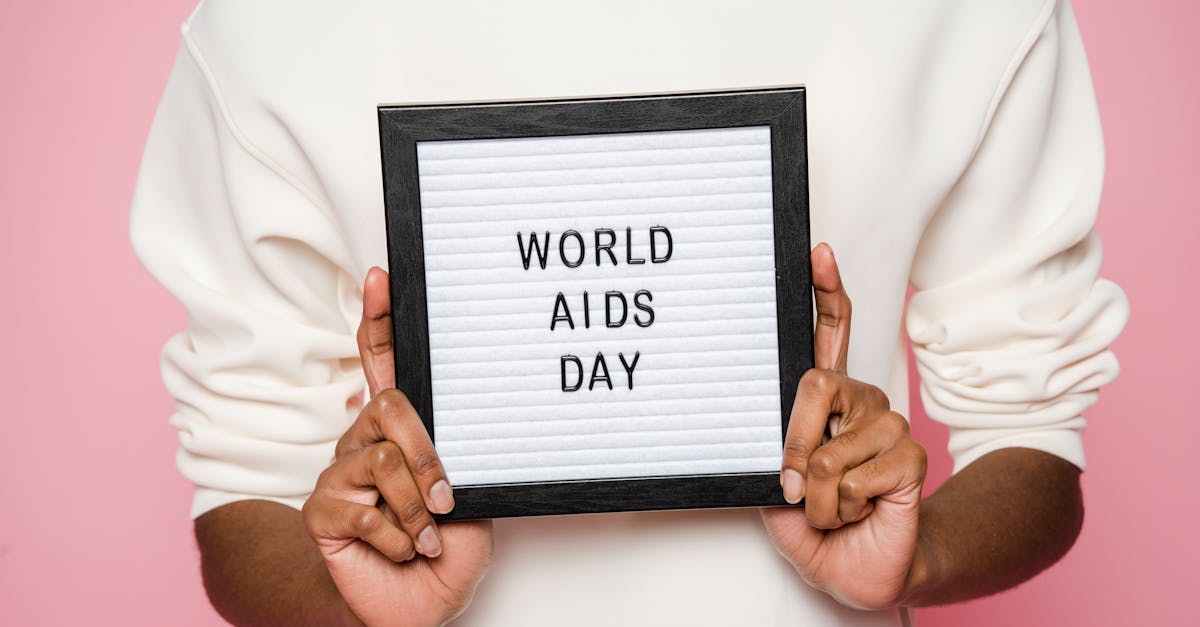
Discover the factors and trends linked to the increase in HIV cases, as well as prevention and awareness measures to combat this epidemic.
The challenges of prevention in a crisis context in Madagascar
Prevention remains the first line of defense against the resurgence of AIDS. Yet, in Madagascar, particularly in Mahajanga, this strategy is severely hampered by multiple challenges: weak awareness campaigns, social stigma, and low community mobilization. Current efforts are insufficient to halt the rapid spread of HIV infections, which primarily affect young adults aged 15 to 35—a key age group for the country’s socio-economic development. Awareness programs must be approached holistically, integrating not only sexuality education but also concrete actions to facilitate access to testing and treatment. Investing in innovative campaigns that mobilize all social actors—schools, associations, health fairs, and the media—is becoming increasingly urgent. Community mobilization appears to be a fundamental lever for reversing this trend. Managing this crisis also requires a multisectoral approach, involving health, education, civil society, and policy. The time for inaction is over; now is the time for increased vigilance and strengthened solidarity to avoid a human catastrophe with irreversible consequences.
https://www.youtube.com/watch?v=lbtujw-AWa8
AIDS Response Strategies in Madagascar: An Urgent Need for Adaptation
Faced with this critical situation, Malagasy authorities must rethink their approach. Implementing tailored strategies that take into account the local socio-cultural context is an absolute necessity. Simply disseminating generic messages is no longer enough to convince people or change behaviors. It is now essential to integrate more community-based initiatives, train local health workers, and strengthen the logistics surrounding testing and treatment.
Particular attention must also be paid to education from a very young age, to instill notions of prevention and respect for others. Teacher training, the creation of spaces for dialogue, and the engagement of opinion leaders in awareness campaigns appear to be essential steps. The fight against HIV in Madagascar requires embracing a long-term philosophy in order to reduce new cases and improve the quality of life of patients. The global context, marked by the end of several international programs, also imposes increased responsibility on the Malagasy state to ensure the continuity of care and prevention campaigns.
The Role of Civil Society and International Partners in the Fight Against AIDS in Madagascar
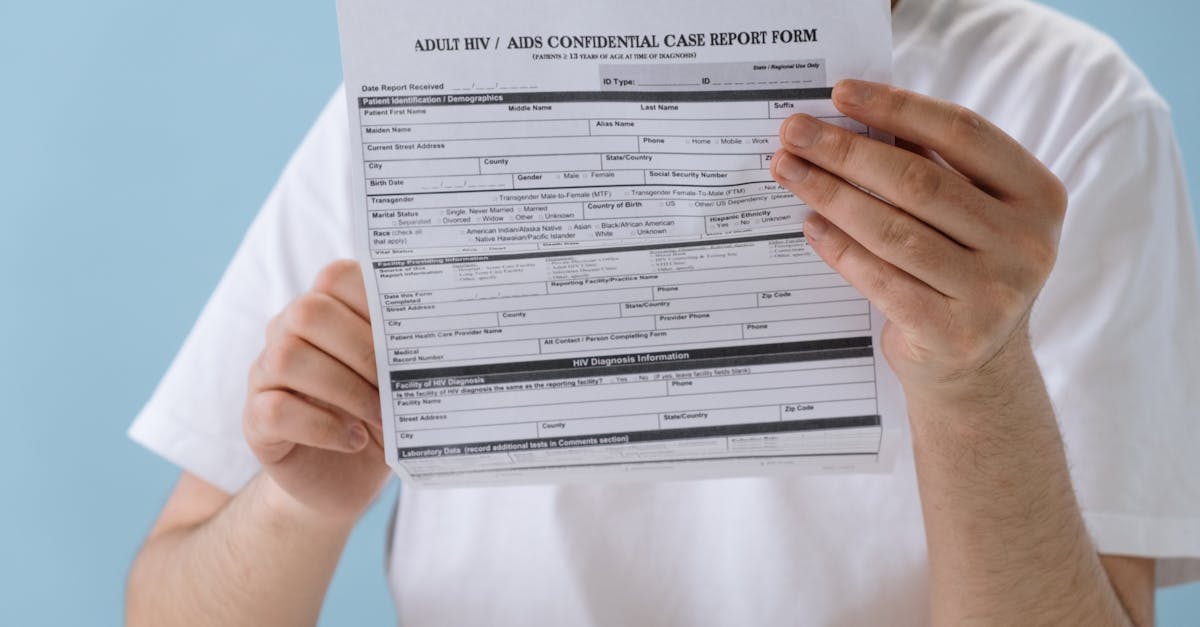
Discover the factors and trends linked to the increase in HIV cases, as well as the essential prevention and awareness measures to combat this epidemic.
The social, economic, and humanitarian consequences of the increase in AIDS cases in Mahajanga
| The repercussions of this exponential growth in infections in Madagascar, and particularly in Mahajanga, affect all sectors of society. The weakening of families, the loss of the workforce, and the overload of the healthcare system are not enough to fully explain the scale of the ongoing humanitarian crisis. Increased stigma further traps those living with HIV in a heavy silence, hindering any effective prevention and treatment efforts. | Economically, the impact is clear: reduced productivity, increased medical expenses, and the slowdown of local development create a vicious cycle of poverty and exclusion. Socially, this epidemic also raises the issue of solidarity, respect, and the integration of those living with HIV. The international community must now recognize the urgency of the situation and act to support Madagascar in its fight against this devastating pandemic. Building a more equitable future requires concrete actions and transparent governance capable of mobilizing all stakeholders. |
|---|---|
Key Factors of the Crisis in Mahajanga Main Impacts |
Lack of sexual education Social stigmatization Weak medical infrastructure |
| Rapid increase in new infections Risk of massive workforce loss Severe economic slowdown |
Inaccessibility to treatment and testing Limited trust in the healthcare system Culture of silence surrounding HIV |
Spread of the epidemic to other regions
Increase in AIDS-related deaths
Deterioration of social cohesion
To effectively address this crisis, it is imperative to unite all stakeholders around a major national project. The creation of a coherent strategic plan, integrating prevention, testing, treatment, and social support, must be central to all initiatives. The involvement of health, educational, religious, and community authorities will broaden the scope of actions, while adapting the message to the social and cultural realities of Madagascar.
It is also necessary to intensify the distribution of condoms, increase the availability of rapid tests, and ensure better training for healthcare workers. Implementing educational workshops for young people and their families is an essential step to change behaviors and break the silence surrounding HIV. Furthermore, cooperation with international organizations or academic institutions could strengthen local capacity in research and the development of innovative intervention strategies.
https://www.youtube.com/watch?v=thDvLrL-KM8
What is the main cause of the rise in AIDS cases in Mahajanga?
The combination of a lack of sex education, social stigma, and weak medical infrastructure is the main cause of this rapid increase in infections in Madagascar, particularly in Mahajanga.
How can prevention efforts be strengthened to limit the spread of HIV?
It is vital to implement targeted awareness campaigns, guarantee access to rapid testing, distribute more condoms, and involve all social actors in a comprehensive educational approach.
What role can the international community play in this crisis?
Cooperation with organizations like the UN and WHO, as well as financial and technical support, are essential to strengthen local capacities and implement sustainable actions to combat the epidemic.
Découvrez notre guide complet — destinations, budget, visa, faune et conseils pratiques pour préparer votre voyage.

📖 Vous aimerez aussi

Transition à Madagascar : la société civile et la Génération Z face aux doutes sur le « Programme de la Refondation »
3 March 2026
Fermeture de l’aéroport de Dubaï : chaos et désarroi chez les voyageurs bloqués
2 March 2026