


A pivotal maritime operation in the protection of marine biodiversity in Madagascar
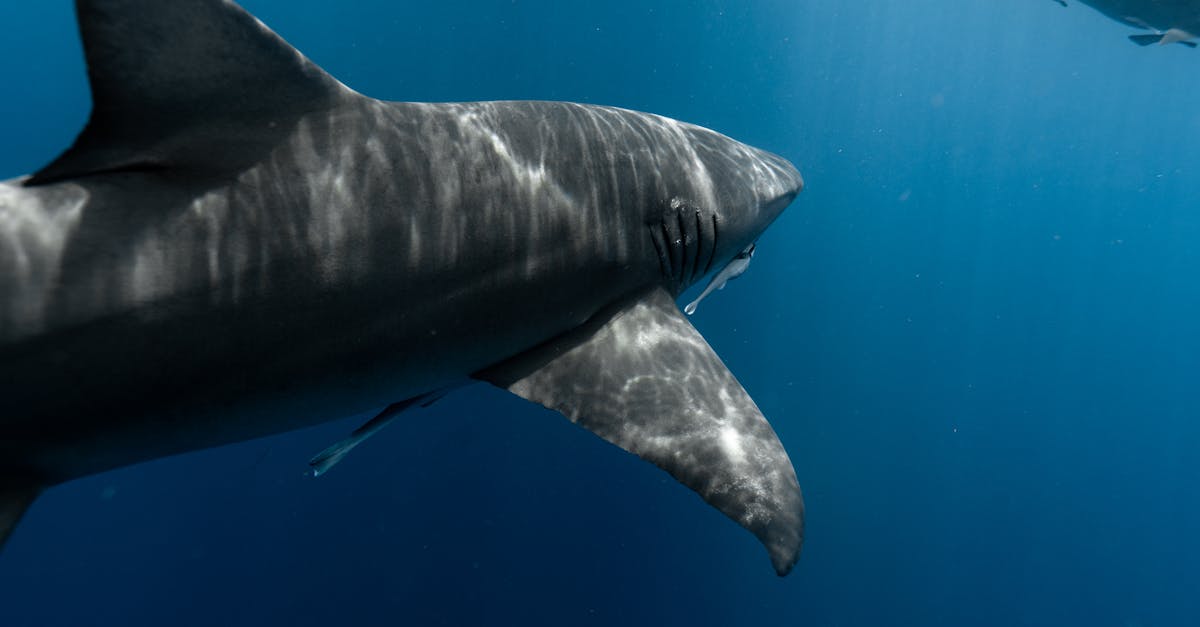
A remarkable intervention recently shook the marine conservation sector in the Indian Ocean. On June 8, 2025, a joint operation between the Malagasy and Comoros coast guards resulted in the interception of a Sri Lankan fishing boat in Malagasy territorial waters. This vessel, lacking any official authorization, was carrying an illegal cargo of 16 tons of sharks. This seizure highlights a worrying reality: the scale of maritime traffic linked to illegal fishing seriously threatens marine biodiversity and the fragile balance of the regional ecosystem. The complexity of maritime surveillance in this part of the world, combined with the outdated nature of available resources, requires increased mobilization on an international scale. This type of incident is not isolated. In the context of 2025, where the fight against illegal fishing must imperatively become a priority to preserve the protection of endangered species, this operation illustrates the concrete commitment to reducing this threat. It also highlights fundamental issues such as the surveillance capacity of Madagascar and neighboring countries, as well as the need to improve regional cooperation in the face of the challenges of maritime trafficking. Discover the fascinating world of sharks, majestic and mysterious marine creatures. Learn more about their habitat, behavior, and role in the marine ecosystem. Global context: the rise of shark trafficking and its ecological implicationsFor several years, shark trafficking has
constitutes a major problem in the Indian Ocean region. Demand in Asian markets, particularly for their flesh or fins, leads to intensive, often illegal, fishing. This phenomenon contributes to the drastic decline of these predators at the top of the marine food chain, thus altering the entire food web. The situation is all the more critical given that these illegal actors, operating for quick profit, often escape official controls. The Malagasy case, with the seizure of 16 tons of sharks, illustrates the seriousness of the problem. According to experts, the interception of this boat reflects a worrying trend: foreign fishermen are taking advantage of weak enforcement measures to exploit the marine ecosystem with relative impunity. The degradation of these populations now poses a real threat to the ecological and economic stability of Madagascar and other nations in the region. Key Factor Description ImpactGrowing demand
Alarming population decline
Weak controls Limited regional maritime surveillance capabilities Increase in illegal trafficking
Economic incentivesQuick pay for illegal fishermen Destabilization of ecosystems
| Conservation challenges: preserving the food chain | It is crucial to emphasize that marine conservation is not just about protecting sharks. It also supports the resilience of marine habitats and ensures the sustainability of resources for local populations. The disappearance of these predators can lead to an explosion of certain species, causing an imbalance that limits biodiversity and alters natural dynamics. | Many researchers emphasize the fundamental role played by these animals in regulating populations of smaller fish. The massive loss of sharks could intensify the proliferation of harmful species, triggering a devastating ecological cascade on a regional scale. Increased surveillance, such as that carried out by the CSP regional mission, must be strengthened, with an expansion of the areas covered and the modernization of control methods. |
|---|---|---|
| Mobile and technical resources deployed to combat illegal fishing | Combating illegal fishing, particularly in an area as vast as Madagascar, requires the mobilization of innovative and coordinated resources. The latest operation was carried out by the crew of the | Atsantsa-1 |
| , a speedboat based in Mahajanga, equipped to operate in difficult areas. Rapid action, combined with extensive aerial and maritime surveillance, is the key to combating illegal fishing networks. Technological tools also play a major role: | drones, satellites, and automatic identification systems (AIS) | enable the early detection of suspicious vessels, even when they attempt to hide in fog or behind islands. Combining this data with intelligence provided by international partners, such as the French Navy or the Indian Ocean Commission, offers a strategic advantage in the fight against this scourge. |
| Aerial surveillance with naval drones | Real-time satellite surveillance | Strengthened regional cooperation |
Limits and challenges to overcome
Despite these efforts, several obstacles persist. The dilapidated or inadequate surveillance resources often prevent an immediate response. The speed with which illegal fishermen commit crimes and their engagement in sophisticated circumvention strategies require authorities to constantly innovate. Furthermore, the legal aspect remains a challenge, particularly the inadequacy of legislative frameworks adapted to the reality of illicit trafficking. It is urgent to strengthen the training of local stakeholders, provide them with modern equipment, and, above all, establish active diplomacy to enforce international conventions such as CITES and the Convention on the Conservation of Marine Biological Diversity. Socioeconomic Impact of Shark Trafficking in Madagascar
This phenomenon directly affects local fishing communities and their economic survival. The overexploitation of certain species, particularly sharks, destabilizes traditional fishing industries. The potential loss of these populations, if left unchecked, could lead to an economic crisis for villages dependent on fishing. Furthermore, this clandestine activity fosters the development of criminal networks, fueling corruption within regional administrations. The presence of foreign vessels like the one intercepted demonstrates the extent to which the regional context demands greater solidarity. Prevention must be accompanied by a financial commitment to support sustainable fishing and conservation, particularly through programs such as the one funded by the European Union.
Socioeconomic Aspect
ConsequencesProposalsDecline in shark populations
Loss of income for traditional fishermen Transition to responsible fishing Degradation of biodiversity
- Ecological and tourism impact Awareness and education programs
- Trafficking and organized crime
- Corruption and insecurity
Strengthening laws and strict control
It is obvious that the fight against illegal fishing must combine ecological, economic and social aspects to achieve lasting effectiveness. Raising awareness among local populations of their role in safeguarding their natural heritage must be at the heart of any strategy.
International priorities: coordination, legislation and financing
The challenges of maritime control go far beyond Madagascar. Multilateral cooperation must make it possible to establish a reinforced framework for the fight against
shark trafficking
. The permanent presence of the French navy, particularly in the Indian Ocean area, constitutes undeniable cooperation, but it is also vital to strengthen bilateral and multilateral cooperation, particularly via the
| implementation of international conventions | . | Financing these actions remains a strategic step. The financial support provided by the European Union, particularly for the modernization of surveillance means, must be strengthened. The modification of legislative frameworks to further criminalize the illegal trade in sharks and secure these areas from illegal activities is part of this logic. |
|---|---|---|
| Strengthening national laws | Creation of a dedicated international fund | Reinforced training of regional actors |
| Outlook and future actions | Faced with these challenges, it would be appropriate to encourage the development of | concrete actions for eco-responsibility in fishing |
| . The establishment of a real fisheries monitoring or certification system could constitute a significant step forward. Vigilance must also be supported by | awareness of local populations about their environment | . |
Frequently Asked Questions (FAQ) on the interception of the Sri Lankan boat in Madagascar
Why is the seizure of 16 tons of sharks so significant?
It represents… What are the main challenges in the fight against illegal fishing?Species preservation, maritime security, and the sustainability of natural resources. How can Madagascar strengthen its maritime surveillance?By modernizing its resources, strengthening regional cooperation, and mobilizing more international funding.
What role do international actors play in this fight?
- Collaboration between countries, particularly with France and the European Union, is an essential lever for coordinating actions.
- What can be done to raise public awareness about marine conservation?
- Implementing educational and community outreach programs is crucial for long-term behavior change.
Source:
🔗 Sources & références
Pour aller plus loin, consultez les sources citées dans cet article :
Découvrez notre guide complet — destinations, budget, visa, faune et conseils pratiques pour préparer votre voyage.

📖 Vous aimerez aussi

Transition à Madagascar : la société civile et la Génération Z face aux doutes sur le « Programme de la Refondation »
3 March 2026
Fermeture de l’aéroport de Dubaï : chaos et désarroi chez les voyageurs bloqués
2 March 2026


