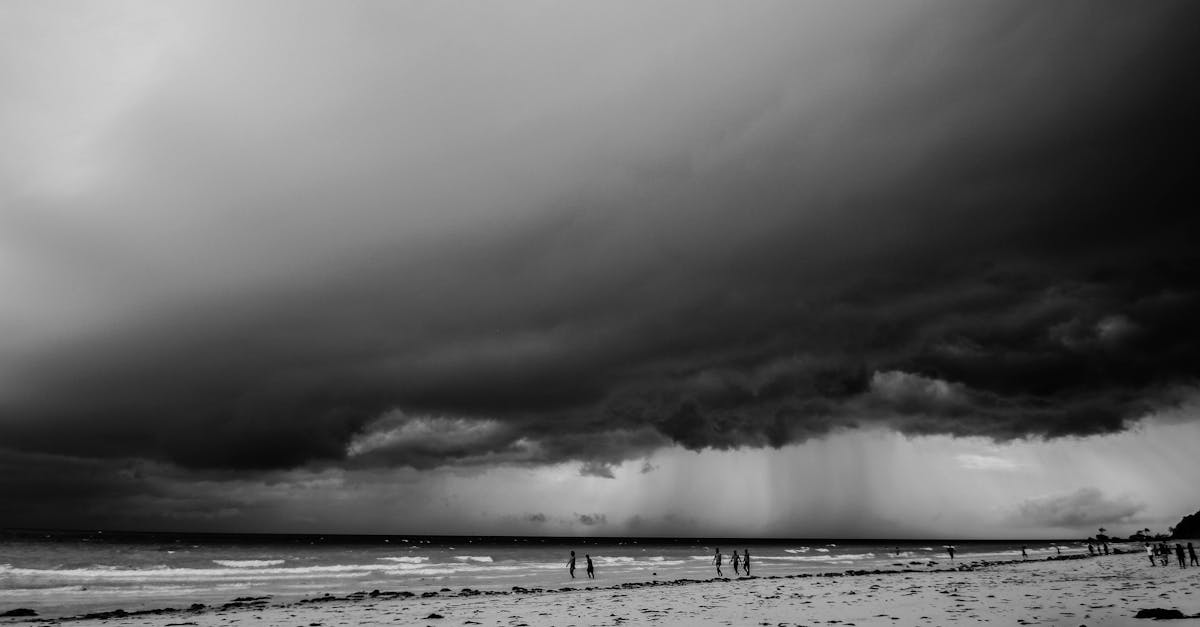
As 2026 approaches, Madagascar faces a major climate crisis, exacerbated by an exceptionally violent rainy season. Floods, occurring within a context of progressive submersion, have already caused considerable damage in several regions of the island, highlighting the increased vulnerability of populations to rising water levels. These extreme weather events, often classified as natural disasters, result in devastating floods, affecting both rural areas and urban neighborhoods. The scale of the situation calls for international mobilization to reduce the impact of these extreme weather phenomena, while also emphasizing the need to adapt local management to the risks associated with seasonal flooding.
To understand the magnitude of these events, it is essential to explore the climatic mechanisms that fuel these torrential rains, as well as their social and economic consequences. The increasing intensity of these phenomena is part of a global trend of rising extreme weather events, in which Madagascar plays a prime example. The devastation caused by each flood reinforces collective awareness of the need for sustainable solutions, uniting all stakeholders around a common project of resilience in the face of these abrupt climate changes. The dramatic situation of 2026 illustrates how the rainy season can transform fragile economic growth into a true humanitarian nightmare.

Essential information on floods, their causes, their impacts, and preventive measures to protect property and people.
The alarming consequences of seasonal flooding in Madagascar in 2026. Since the start of the rainy season, Madagascar has been experiencing a surge in flooding, resulting in the gradual submersion of land and infrastructure. According to the latest statistics, more than 13,000 people have been affected, a number likely to rise rapidly as rainfall intensifies. The massive floods are particularly impacting the working-class neighborhoods of Antananarivo, where often inadequate drainage systems fail to remove the water, leading to stagnation that fosters the spread of disease and the destruction of family property. Rural areas, especially those in the lower reaches of the island, are also severely affected, exacerbating their already precarious socio-economic situation. The fear of an outbreak of waterborne diseases and massive agricultural losses is growing, fueled by the scale of the disaster. The resurgence of flooding reveals not only a climate problem but also inadequate management of rainfall-related risks. Structural vulnerability, exacerbated by the lack of one or more effective early warning systems, worsens this humanitarian crisis. These events intensify the need for a collective commitment, based on integrated strategies, to respond rapidly to this alarming situation.
https://www.youtube.com/watch?v=g3rJRpMs3t0 Flash floods and their effects on urban planning in Antananarivo
This is not merely a technical issue, but also a matter of considerable social implications. The crisis underscores the need for urban redevelopment to strengthen the resilience of the most exposed neighborhoods, as well as rigorous planning aimed at reducing the vulnerability of at-risk areas. Renovation initiatives, such as bridge reconstruction or improvements to drainage systems, must be part of a comprehensive approach capable of addressing these unpredictable events. The question remains: how can we build a city ready to face these floods without destroying its ecological and social integrity?

Community and Institutional Responses to Climate Disasters
In response to these disasters, various local, national, and international actors are working to limit the impact of floods. Humanitarian organizations are mobilizing to provide emergency assistance, while the government is seeking to strengthen early warning and crisis management capacity. The establishment of a climate refugee program This demonstrates a commitment to adapting the response to risks exacerbated by the rainy season. However, these actions remain insufficient if they are not part of a comprehensive sustainable development strategy.
Preventive measures, such as expanding water retention basins or rehabilitating canals, are essential to prevent the recurrence of such disasters. Active community participation in risk monitoring and management must be encouraged through increased educational and civic engagement. Collective mobilization around these strategies will not only mitigate the immediate effects but also build lasting resilience to climate change, particularly at a time when the rainy season could become even more destructive.
https://www.youtube.com/watch?v=szJrZfc3jx4
The challenges of water management in the face of rising hydroclimatic risks
Faced with the increasing frequency of floods, the issue of water management is becoming crucial. The issue is not limited to simple flood prevention, but extends to an integrated water resource management strategy, crucial for reducing Madagascar’s vulnerability. The construction of dams, the implementation of efficient irrigation systems, and the modernization of distribution networks are all part of a holistic approach aimed at controlling water flow during periods of excessive rainfall.
In practice, this also means reforming local governance to better coordinate actions and distribute resources equitably. Participatory management, involving local populations, becomes a key lever for ensuring the sustainability of these technical solutions. Implementing these measures, in conjunction with environmental protection, could transform Madagascar into a model of resilient management in the face of increasing risks associated with the rainy season, while avoiding total dependence on external aid. The central question revolves around the long-term effectiveness of these actions in preventing each episode from becoming a humanitarian catastrophe.
Factors
Increased Floods and Shortages
Institutional Reforms and Participatory Management
🔑🌊
Innovative Strategies to Address the Increased Frequency of Floods

Furthermore, the adoption of resilient urban planning, combining ecology and innovative architecture, is a key component of the strategy. The creation of eco-responsible neighborhoods, equipped with integrated drainage systems, could significantly reduce the vulnerability of urban areas to the rainy season. It is becoming increasingly urgent to move towards a model that reconciles development and respect for the environment, notably by integrating local biodiversity into these new projects. Risk reduction must rely not only on technology but also on a collective awareness of adapting to a constantly changing climate.
Discover the causes, impacts, and solutions for managing flood risks and protecting your property and safety.
Sustainable strategies for addressing flooding depend heavily on commitment to long-term initiatives. The implementation of forest conservation policies, particularly in lowland areas, is essential to limit soil erosion and reduce the volume of rainwater flowing into inhabited areas. Protecting local biodiversity, particularly mangroves and wetlands, provides a natural barrier against excessive flooding.
In this context, international cooperation plays a crucial role. The participation of external partners can help finance these resilience projects, while also encouraging research and development of appropriate solutions. The capacity to anticipate and plan for these risks, through strategic planning, must be strengthened, enabling Madagascar to transform this crisis into an opportunity for sustainable development and effective climate adaptation. The sustainability of these efforts also depends on awareness and citizen engagement at all levels.
https://www.youtube.com/watch?v=GsSv5NpkZ5gHumanitarian and social challenges exacerbated by the 2026 rainy season
Massive flooding translates into major human challenges, as it severely tests social cohesion and the capacity of institutions to provide effective aid. Vulnerable populations, often poor or isolated, are the first to suffer from these phenomena, exposing them to increased risks of infectious diseases and forced displacement. The pressure on health and logistical infrastructure is considerable, requiring an urgent, coordinated response. The lack of suitable accommodation for these displaced populations exacerbates their precarious situation.
The aftermath of the floods also results in a lasting alteration of the social fabric, with the risk of marginalization for certain groups. The implementation of solidarity, rehabilitation, and awareness programs is essential to strengthen social cohesion in the face of these recurring events. The international community, through global awareness, must support these efforts to build a resilient society capable of overcoming this period of climate crisis.
Schools, often located in vulnerable areas, are closing their doors in the face of the constant threat of flooding, depriving thousands of children of access to education. The deterioration of school infrastructure, combined with the health risks associated with stagnant water, exacerbates this situation. The spread of diseases such as cholera and dengue fever becomes an immediate threat, jeopardizing public health throughout the country.
To address these challenges, it is imperative to invest in the renovation of resilient schools equipped with autonomous water treatment systems. Risk management education also plays a central role, raising awareness among young people and families about how to react to floods. The overall resilience of the education system must be based on a participatory approach to guarantee the future of generations in the face of increasingly unpredictable and destructive weather events.
https://www.youtube.com/watch?v=iVtQGumGoMI
Future Prospects and Collaborations for a Safer Madagascar in the Face of Floods
It is clear that the only long-term solution lies in strengthened collaboration between local stakeholders, governments, and international partners. The implementation of integrated policies, combining climate adaptation, sustainable development, and technological innovation, will be essential. International solidarity must translate into funding, skills transfers, and the sharing of best practices, enabling Madagascar to become an example of resilience in the face of natural disasters.
By mobilizing all available resources, from land-use planning and education to water management, the country could hope to reverse the destructive trend of these seasonal floods. However, building a sustainable future requires strong political will, increased public awareness, and concerted action to transform these crises into opportunities for resilient and inclusive development.
What are the main factors exacerbating flooding in Madagascar in 2026?
Torrential rains, unsuitable urbanization, and inadequate water management, combined with climate change, are increasing the frequency and intensity of floods.
How can resilience to flooding be strengthened in urban areas?
Drainage infrastructure must be improved, urban planning must be reviewed, and communities must be involved in risk prevention and management.
What innovative projects are being implemented to reduce the impact of flooding in Madagascar?
The use of drones, early warning systems, and the creation of eco-friendly neighborhoods are among the promising solutions.
🔗 Sources & références
Pour aller plus loin, consultez les sources citées dans cet article :
Découvrez notre guide complet — destinations, budget, visa, faune et conseils pratiques pour préparer votre voyage.

📖 Vous aimerez aussi

Transition à Madagascar : la société civile et la Génération Z face aux doutes sur le « Programme de la Refondation »
3 March 2026
Fermeture de l’aéroport de Dubaï : chaos et désarroi chez les voyageurs bloqués
2 March 2026