

Supporting the development of African nations while preserving their authentic identities is now both a major challenge and an urgent necessity. Malaysia is emerging in 2026 as an exemplary model, a true catalyst for inspiration, whose journey illustrates both the power of a strategic vision geared towards economic sovereignty and the capacity to embrace a rich and integrated cultural diversity. While Madagascar and other sub-Saharan African countries face similar challenges related to poverty, economic dependence, and institutional fragility, Malaysia demonstrates that strong political cabling, a vibrant civil society, and responsible innovation policies can catalyze self-reliant, sustainable, and promising development. These elements, combined with strong popular mobilization and an integrated regional cooperation strategy, offer both a roadmap and a source of hope for the African continent, while also highlighting the need for a profound transformation of its governance models and economic paradigms. The convergence of these factors opens up a crucial task: rethinking the role of the state, the economy, and cultural exchange in Africa, within a framework of solidarity and collective empowerment. Drawing on the Malaysian example, Africa could reconnect with its ambitions for sovereignty and prosperity, while respecting its diverse identities.

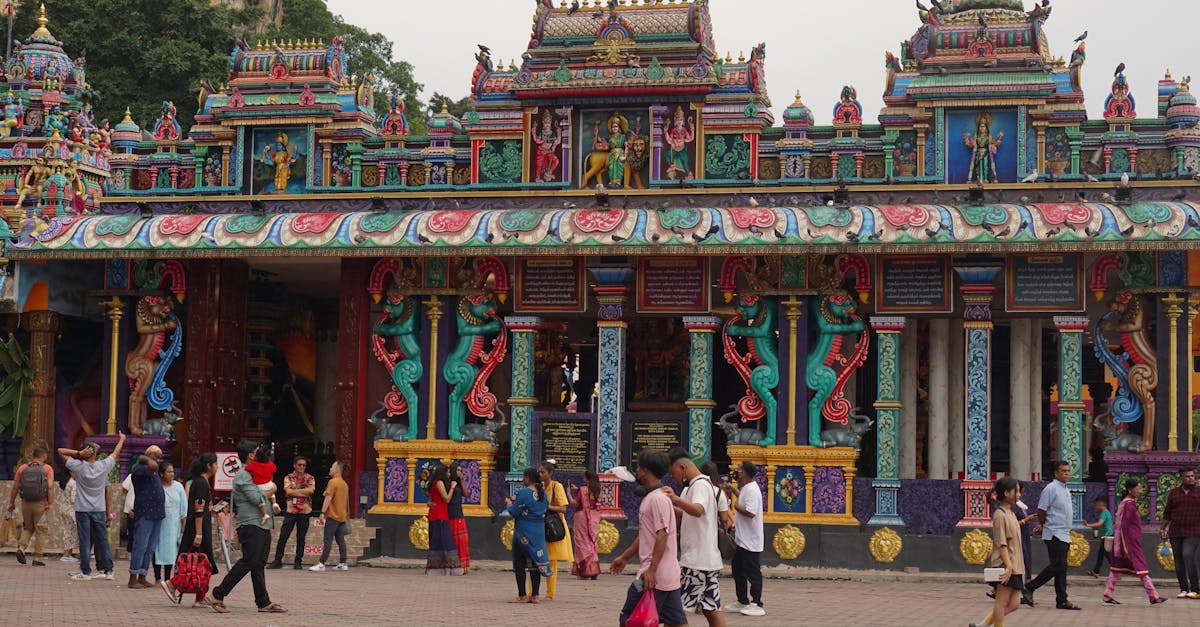
Discover Malaysia, a country of diverse landscapes, from idyllic beaches and lush rainforests to vibrant modern cities.
The strategic role of Malaysia in globalization and its relevance for Madagascar

The main lesson to be learned from the Malaysian experience lies in an integrated approach where civil society plays a catalytic role. The building of a credible popular power dynamic, through social movements and a dynamic opposition, compelled the elites to make a voluntary effort at redistribution. Institutionally, Malaysia has successfully prioritized a sovereign, flexible, and planned state capitalism, thus avoiding the trap of unbridled liberalism that weakens national strategies. Mastering the regional context, particularly through integration into ASEAN, and the ability to combine tradition and innovation are central. The country’s political resilience also rests on the prudent management of diversity, internalizing ethnocultural complexity within participatory governance. For Madagascar and its neighbors, this experience can translate into the implementation of a similar governance model, capable of uniting different actors around a common project. Malaysian experiences in urban development, education, and social inclusion illustrate how a clear strategic vision can transform precariousness into tangible progress.
Education and innovation: drivers of progress, the Malaysian example.
Malaysia’s economic success is partly based on a high-performing education system, adaptable to the challenges of the 21st century. The training of elites, the promotion of science and research, and the emphasis on applied research have fostered a dynamic of continuous innovation. Cooperation between universities, research centers, and industry has promoted growth sectors such as electronics, biotechnology, and new information technologies. For Madagascar, this represents an opportunity to develop its own local capabilities. Adopting a national innovation strategy that promotes vocational training, research and development, and social entrepreneurship could stimulate an internal movement of economic revival. The key lies in the ability to unite local resources, public institutions, and the private sector in a coherent approach. Building bridges with Malaysia through educational or technological partnerships would strengthen this dynamic and offer lasting change rather than a mere flash of fleeting growth.

Valuing Cultural Diversity as a Lever for National and Regional Cohesion
| By 2026, Malaysia is emerging as an exemplary model in managing its ethnic and religious diversity. Through a robust integration policy, it has successfully transformed its differences into a shared asset. The contributions of the various communities—Malays, Sino-Malaysians, and Indo-Malaysians—to the economy and culture foster a resilient and cohesive society within its diversity. The success of this approach relies on institutional mechanisms, such as the establishment of ongoing interfaith dialogue and the official recognition of all identities, which promote social peace. | In Madagascar, a similar effort could unite its many ethnic groups, thereby strengthening the sense of national belonging. Highlighting local diversity in art, cuisine, and traditions provides a foundation for building lasting cohesion. The challenge lies in transforming fragile coexistence into a driving force for a strong collective identity, while simultaneously boosting regional cooperation through enhanced cultural exchanges, particularly in the context of East Africa and the Indian Ocean. |
|---|---|
| Discover Malaysia, a vibrant country combining diverse cultures, exotic landscapes, and delicious cuisine for an unforgettable experience. | |
| Priority Investments for Overcoming Poverty and Achieving African Economic Sovereignty | |
| Investment Categories | Expected Impact |
| Modern Infrastructure | Reduced travel times, improved productivity 🚄 |
| Education & Vocational Training | Creation of a skilled and adaptable workforce 🎓 |
Innovative Technologies
Boosting competitiveness and technological autonomy ⚙️
Rural and Agricultural Development
Strengthening food sovereignty and reducing inequality 🌱
Support for Entrepreneurship
Job creation and revitalization of the local economy 💼
Governance inspired by popular participation and the fight against corruption
The Malaysian model also illustrates the importance of participatory and transparent governance. Popular pressure, combined with a robust legal framework, helps limit abuses of power and ensure a better redistribution of wealth. The fight against corruption and the establishment of an independent judiciary are fundamental pillars. For Madagascar, it is imperative to strengthen these aspects to build a credible rule of law, capable of channeling citizens’ energies. The creation of an inclusive democratic space, where every citizen’s voice is recognized, would foster political stability and sustainable growth. Revising the electoral system and ensuring transparency in public management also contribute to this dynamic. Malaysia demonstrates that governance must be aligned with popular aspirations for development to be truly shared.
What are the main lessons Madagascar can learn from Malaysia regarding development?
Madagascar can draw inspiration from the Malaysian strategy, which combines participatory governance, innovation, and economic diversification to build a path toward sustainable and inclusive growth. How can regional collaboration between Africa and Asia, particularly with Malaysia, be strengthened?
Strengthening partnerships within the framework of economic cooperation, cultural exchanges, and joint research and innovation projects is a key lever for reinforcing African sovereignty.
What priority investments should be made to combat poverty in Africa? Investments in modern infrastructure, education, technology, rural development, and support for entrepreneurship are essential to creating a virtuous cycle of growth.
🔗 Sources & références
Pour aller plus loin, consultez les sources citées dans cet article :
Découvrez notre guide complet — destinations, budget, visa, faune et conseils pratiques pour préparer votre voyage.

📖 Vous aimerez aussi

Transition à Madagascar : la société civile et la Génération Z face aux doutes sur le « Programme de la Refondation »
3 March 2026
Fermeture de l’aéroport de Dubaï : chaos et désarroi chez les voyageurs bloqués
2 March 2026


