


Mialitiana Clerc and Mathieu Gravier: Two Malagasy Athletes Shine at the Milan-Cortina Winter Olympics
In 2026, the winter sports landscape was marked by unprecedented visibility for Madagascar, thanks to the performance of two exceptional athletes. Mialitiana Clerc, born on the Red Island and adopted by a family from Savoy, and Mathieu Gravier, symbolize an extraordinary adventure that transcends the traditional boundaries of these competitions. Their participation in the Milan-Cortina Winter Olympics sparked not only local enthusiasm but also international awareness of the role of countries less accustomed to these disciplines. This major event became a platform to highlight the untapped potential of Malagasy sport and prompted profound reflection on the value of cultural diversity in a globalized world. The need to support these athletes is not limited to their performance alone, but is part of a comprehensive approach to recognition and integration, centered around a project that must unite local stakeholders and international partners. Victory is not always solely about the stopwatch, but also about marking a turning point in the representation and empowerment of peripheral nations within the sporting world. A new dynamic is emerging that could redefine Madagascar’s place in the history of winter sports.
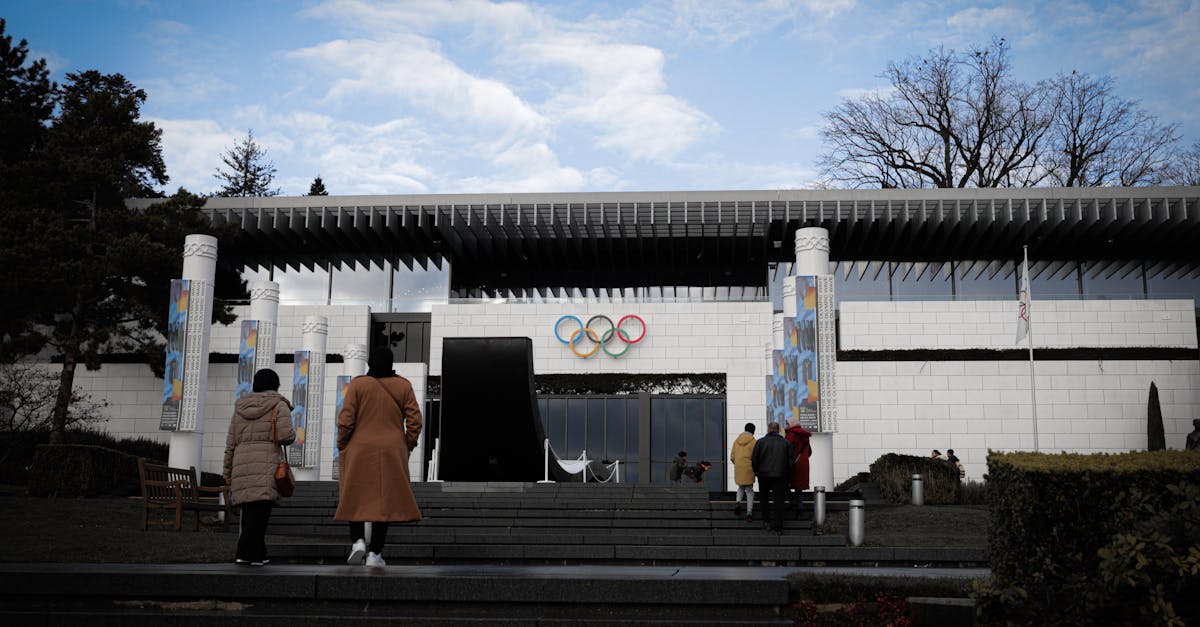
Discover the history and participation of Madagascar in the Winter Olympics, a tropical country that defies climatic boundaries to compete on the ice.
The exploits of Mialitiana Clerc: an emblematic figure for African winter sports.
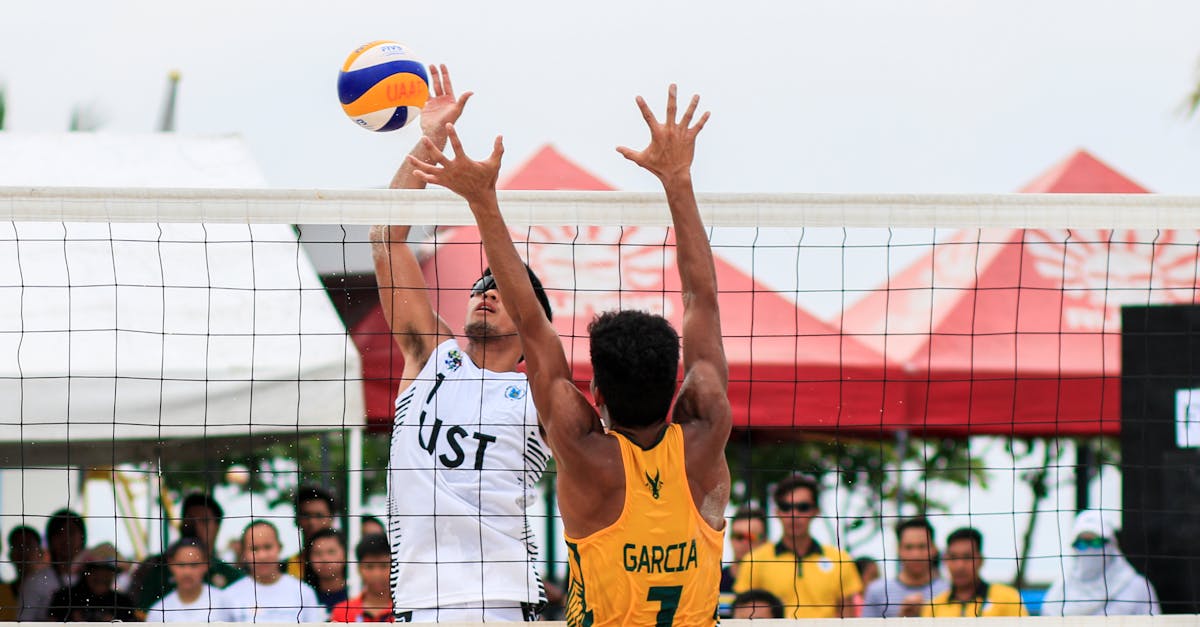
Mathieu Gravier: a journey of progress and hope for Malagasy sport
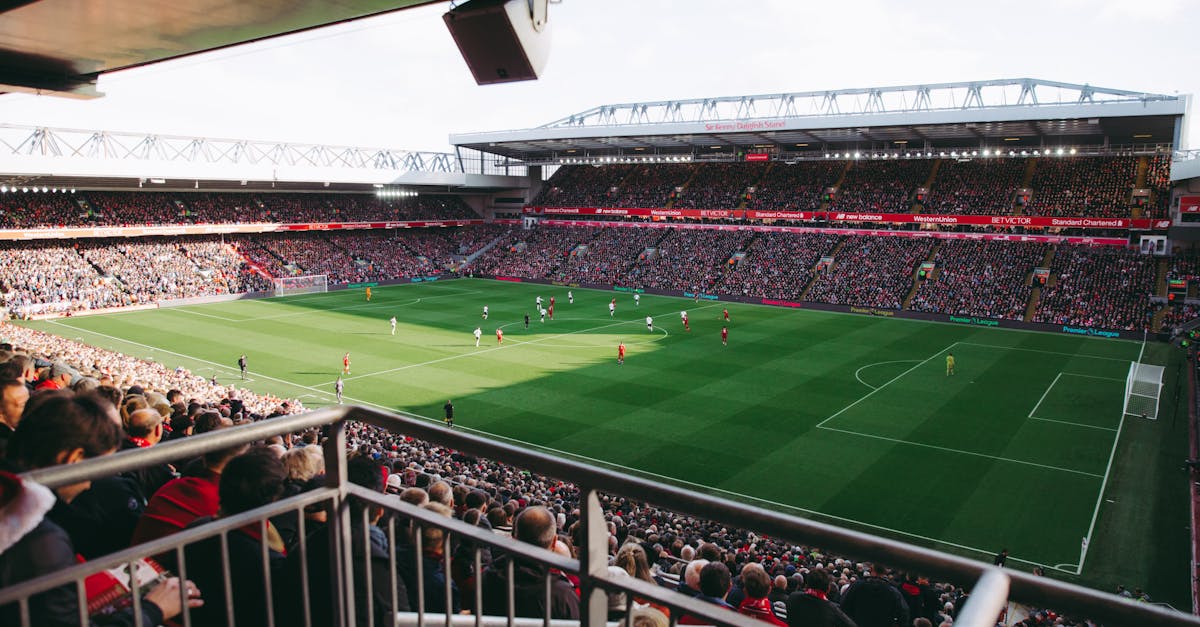
Discover Madagascar’s participation in the Winter Olympics, a unique challenge for this tropical nation on the international sporting stage.
The historical and geographical context of Malagasy athletes in winter competitions
| The presence of Mialitiana Clerc and Mathieu Gravier in a competition as demanding as the Winter Olympics illustrates a profound observation: their individual journeys embody a broader evolution in international sport. Most African or island nations are traditionally excluded from these disciplines, often considered inherent to a certain luxury or specific environments. However, this reality is changing rapidly, thanks to the determination of a few pioneers. The geographical and cultural duality of these athletes also underscores a phenomenon of integration, reflecting a world where mobility and transnationalism are becoming the norm. Their performances, though seemingly modest, offer a fresh perspective on the multifaceted nature of sporting identities, combining mixed heritage and resilience. Madagascar’s gradual rise to prominence in this arena testifies to the need to rethink the role of island and peripheral territories in elite competition, an essential step towards a more inclusive vision of global sport. | Characteristics | |
|---|---|---|
| Madagascar | Other developing countries | Available infrastructure 🏔️ |
| Very limited, mainly in urban areas | Often non-existent or precarious | Institutional support 🤝 |
| Developing, largely dependent on the diaspora | Weak or under construction | Past performance 📉 |
Progressive but still modest
Varies depending on the national context
The political and sporting stakes surrounding Malagasy participation in winter skiing
Beyond the purely sporting dimension, Madagascar’s presence at these Olympic Games also raises major political and diplomatic issues. The scarcity of representatives from African countries in winter sports highlights the need to redefine the national strategy for sports development, particularly its multicultural dimension. The success of Mialitiana Clerc and Mathieu Gravier can serve as a catalyst for developing a genuine project that unites all stakeholders, both within sports administration and the wider community. Highlighting these athletes could also foster awareness of the importance of investing in suitable infrastructure, while encouraging increased participation at the continental level. Diplomatically, their presence helps build an image of Madagascar as a country open to innovation and sporting diversity, thus strengthening its international standing at a time of intensifying global competition.
Challenges and prospects for the sustainable development of winter sports in Madagascar
Despite the remarkable progress of recent years, the development of skiing and winter sports in general in Madagascar still faces significant structural obstacles. The majority of infrastructure is concentrated in a few urban areas, hindering balanced territorial development. Dependence on a few foreign partners limits the country’s capacity to provide ongoing training and strengthen its local structures. Furthermore, the simulation of innovative practices must be encouraged, particularly through educational and cultural partnerships. In the long term, it would be strategic to consider a model designed for the island context, integrating local natural resources and a genuine commitment to the environment, to ensure the sustainability of these initiatives. The success of these pioneers could thus become a source of inspiration for all emerging nations, illustrating that with a clear vision and shared will, winter sports can take lasting root even in territories considered geographically marginalized.
Resources and strategies to support the performance of Malagasy athletes
The performances of Mialitiana Clerc and Mathieu Gravier must be understood within their specific context, where institutional support, funding, and training are fundamental pillars. Implementing a specific program for these athletes is essential to transforming their potential into tangible results. Key strategies include creating suitable training centers, mobilizing public and private funding, and exchanging expertise with countries more advanced in these disciplines. International solidarity, along with the involvement of specialized associations, becomes a crucial lever for addressing structural gaps. Success depends not only on individual performance but also on a coherent environment where each stakeholder plays their part. Finally, communication surrounding their journey must be amplified to attract greater public support, thus ensuring a beneficial synergy in the long term. Increasing the visibility of Malagasy athletes through awareness campaigns and media coverage on various platforms is also a strategic challenge that should not be overlooked.
The environmental challenges associated with the development of winter sports in Madagascar
Implementing ski-related projects in an island context raises fundamental questions about environmental impact. The fragility of Madagascar’s ecosystems, particularly in mountainous areas, demands careful study and responsible management of natural resources. Finding sustainable solutions could involve adapting to an “eco-responsible” model, integrating, for example, smart technologies to limit the energy consumption of infrastructure. Raising awareness among sports stakeholders and local communities must become a priority to ensure compatibility between sports development and conservation. The experience of these athletes, embodying a symbol of Madagascar’s determination, should also inspire a collective movement to preserve biodiversity, essential to the very survival of the country. Awareness and consultation will be crucial to prevent uncontrolled development from causing irreversible damage to an environment as precious as Madagascar’s.
Quiz: Everything you need to know about Madagascar’s participation in the 2026 Winter Games
What is the origin of Mialitiana Clerc?
Born in Madagascar, she was adopted by a family in Savoie, which allowed her to combine her island roots with advanced alpine skiing.
What results did Mathieu Gravier achieve in his first competitions?
In 2022 in Beijing, he finished 88th in the slalom, with a time of 2:11.
What major challenges does Madagascar face in developing winter sports? The main difficulties lie in the lack of infrastructure, limited institutional support, and a fragile environment, but current initiatives suggest promising prospects.
🔗 Sources & références
Pour aller plus loin, consultez les sources citées dans cet article :
Découvrez notre guide complet — destinations, budget, visa, faune et conseils pratiques pour préparer votre voyage.

📖 Vous aimerez aussi

Transition à Madagascar : la société civile et la Génération Z face aux doutes sur le « Programme de la Refondation »
3 March 2026
Fermeture de l’aéroport de Dubaï : chaos et désarroi chez les voyageurs bloqués
2 March 2026


