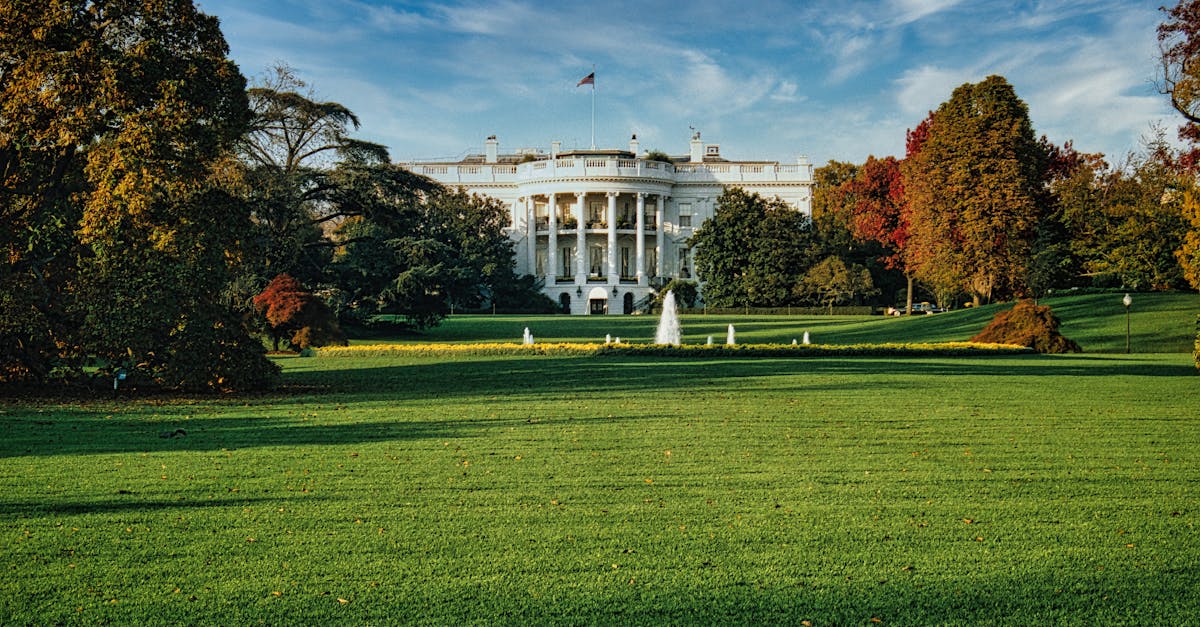
As 2026 dawns, Madagascar’s political scene is marked by a renewed commitment from the national leadership to embark on a resolutely engaged political transition toward lasting change. In a context where several African countries are seeking to redefine their institutional future, the President of the Republic reaffirmed his determination to lead a profound reform that goes beyond superficial adjustments. This speech, delivered during his New Year’s address, reflects a strong political will to fundamentally transform governance and establish a more peaceful social climate, while also addressing the legitimate aspirations of citizens.
This context is exacerbated by a persistent social crisis, fueled by issues such as the inadequacy of essential public services, particularly in energy and water, as well as demands for greater transparency and a more equitable redistribution of resources. The President’s commitment to transforming governance is part of a strategic approach aimed at broadening the national debate, uniting all stakeholders around a common project, in order to restore public trust in its institutions. The political transition, which must be linked to a thorough institutional reform, appears to be an essential step in establishing a new, legitimate democratic order.
The challenges of institutional reform for consolidating political stability
For several years, Madagascar has faced successive crises that have weakened its democratic balance and hampered the country’s stability. The need for profound institutional reform is a logical step in addressing the observed dysfunctions, particularly regarding the separation of powers, judicial independence, and parliamentary representation. The President’s reaffirmation in his New Year’s address underscores a commitment to establishing a new constitution, explicitly mentioning the possibility of creating a “Fifth Republic” adapted to the challenges of the 21st century.
Revising electoral laws, ensuring they guarantee transparency and the integrity of free and fair elections, is an essential step. Establishing an independent electoral body, with increased transparency in election management, would concretely illustrate this commitment to renewing democratic legitimacy.
Discover the key issues and processes of political transition, and how it influences the stability and development of societies.
Concerns expressed by the population, particularly regarding access to water and electricity, have been a catalyst for the need for immediate reforms. Reducing the energy deficit, which undermines economic development and social stability, remains the priority. To this end, the government has implemented a series of measures aimed at increasing electricity production capacity, notably by bringing thermal power plants back online in Antananarivo, while simultaneously strengthening existing infrastructure. Recognizing the urgent need to develop sustainable solutions, the Head of State is also directing efforts toward renewable energies, such as hydroelectric and solar power, to guarantee long-term energy independence. The development of large-scale hydroelectric projects, capable of sustainably supplying the capital and its surrounding areas, is an integral part of this long-term strategy. Diversifying energy sources is seen as a crucial step to relieve the electricity system of excessive dependence on fossil fuels, which are often imported and expensive, thus jeopardizing a more resilient future.
Initiatives to improve access to water and strengthen local sovereignty
Moreover, strengthening the energy independence of public institutions and universities is part of a sustainable development approach. These actions aim to reduce dependence on energy imports and increase resilience to international energy crises. Addressing these challenges also provides leverage for reviving economic growth, promoting innovation, and positioning Madagascar on a path toward a more robust future.
Discover the key issues and processes of the political transition, a crucial step for government change and stability.
Civil freedoms: a fundamental pillar of the political transition
Respect for civil liberties remains central to the President’s concerns, who sees it as an essential condition for the success of the reform. Freedom of expression, in particular, is presented as a “pillar of the transition,” enabling genuine dialogue between the government and civil society. This political awareness, supported by a commitment to openness, seeks to dispel the old tensions that hampered the credibility of institutions.
| Despite certain obstacles, notably the entrenchment of power and anti-democratic practices, the desire to build a healthy democratic space is gaining ground. Governance reform must therefore also include strengthening individual and collective rights, ensuring their protection against any authoritarian temptation. Transparency and accountability then become key concepts for establishing lasting trust in republican institutions. | https://www.youtube.com/watch?v=4eMu-3oj05c Evaluating Governance: A Step Towards Accountability | |
|---|---|---|
| Recognizing that the government’s credibility also depends on its capacity for self-assessment and accountability, the president announced an executive-wide evaluation process. Government members have been given two months to demonstrate their effectiveness in implementing reforms. The transparency of their actions and their impact on social justice and the economy will be scrutinized with the utmost vigilance. | In this context, holding political leaders accountable appears to be a fundamental step in strengthening the legitimacy of political leadership. The commitment to pursuing ambitious administrative and economic reform is all the more necessary given that the social crisis and environmental degradation have increased the pressure on the existing system. Collective responsibility, linked to the transparency of results, is a prerequisite for the success of the transition process. | |
| Key Actions for Strengthened Governance 🎯 | Objectives 💡 | |
| Expected Results ✨ | Government Assessment 🚦 | Identify failing officials and improve performance |

Revision of electoral laws 🔍
Ensure free and credible elections
Strengthen democratic legitimacy
Meet citizens’ basic needs
A more equitable and resilient society
Discover the key issues and processes of political transition, a crucial moment of change in governance systems.
Uniting all stakeholders for an inclusive political future
The success of this political transition depends largely on the ability to unite all stakeholders around a shared vision. Civil society, the private sector, community representatives, and unions must be involved from the initial planning stages of the reforms to ensure their implementation in the public interest.
This process also implies the establishment of a reorganized local governance structure, giving more responsibility to local authorities. Electoral reform, for example, must promote balanced representation of different social groups and allow for the emergence of local leaders capable of representing their communities. The credibility of an inclusive political future can only be built on the effective and active participation of all stakeholders, in a transparent and diversity-respecting process.
Frequently Asked Questions (FAQ)
What is the President’s main ambition for 2026?
Découvrez notre guide complet — destinations, budget, visa, faune et conseils pratiques pour préparer votre voyage.

📖 Vous aimerez aussi

Transition à Madagascar : la société civile et la Génération Z face aux doutes sur le « Programme de la Refondation »
3 March 2026
Fermeture de l’aéroport de Dubaï : chaos et désarroi chez les voyageurs bloqués
2 March 2026