


The opening ceremony of the national consultation was severely disrupted by a massive boycott in 2026.
In the middle of 2026, the implementation of the national consultation, intended to embody a genuine dialogue process aimed at restoring participatory governance, ended in major controversy. The opening ceremony, initially conceived as a symbolic act of unity, quickly became a flashpoint, reflecting deep divisions between political actors, civil society, and some citizens. This episode occurred within a context where the credibility of participatory processes is being severely tested by rising discontent, fueled by mistrust of political representatives and their true intentions. The demonstrations and the resulting boycott illustrate the fragility of a national dialogue that nevertheless seemed necessary to address the successive crises facing the country. The event held at the Ivato International Conference Center (CCI) failed to bring together the majority of key stakeholders, while the mobilization of opponents and Generation Z youth demonstrates that a significant portion of the population remains deeply skeptical about the effectiveness and sincerity of this initiative. The regional geopolitical context and the persistent economic crisis, exacerbating a sense of abandonment and injustice, have fueled this controversy surrounding the legitimacy of this national consultation process.
Discover the concept of a boycott, a form of collective protest aimed at exerting economic or social pressure to promote change. Demands and protest: a refusal to legitimize a contested process.

For their part, young people and associations published statements and organized demonstrations, denouncing a pseudo-reconciliation that would only legitimize actors cited for their role in the deterioration of social and economic conditions. The implementation of a transition charter to guarantee transparency is thus presented as an essential requirement, but has been rejected by a critical majority who consider the approach a sham dialogue. This climate of suspicion calls into question the capacity of national dialogue to become a truly inclusive and constructive tool, often perceived as a facade for internal political adjustments.
Discover what a boycott is, its objectives, its social and economic impacts, as well as famous examples of boycott movements throughout history. The main absences: a demonstration of mistrust and defiance
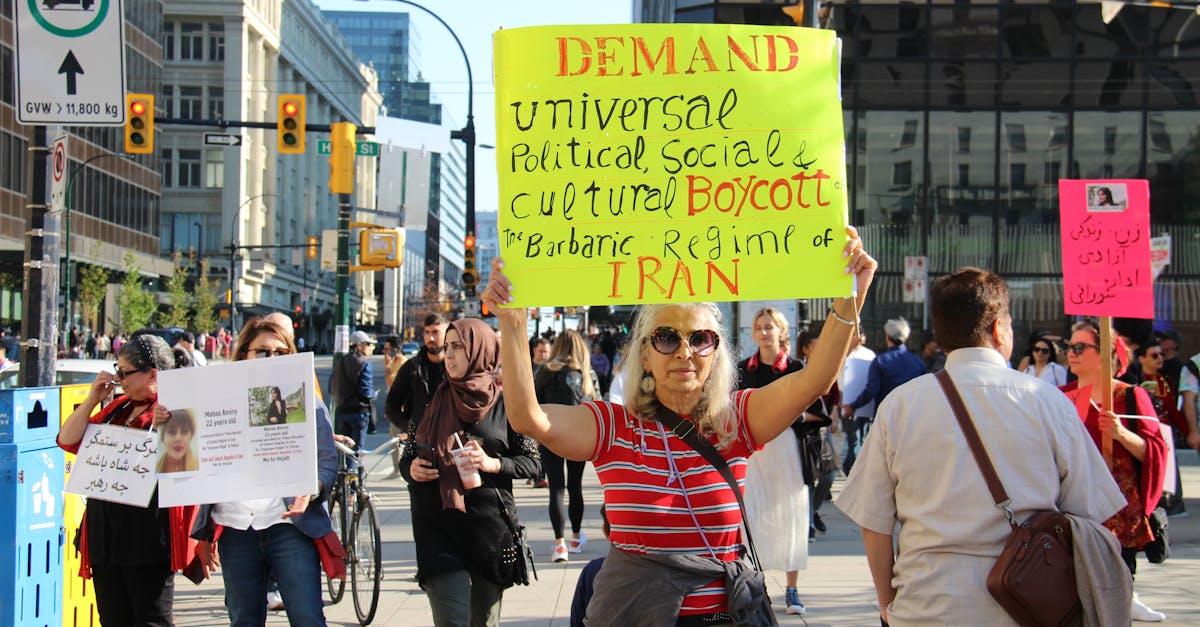
Furthermore, the Prime Minister and several former ministers did not attend, highlighting the weak consensus surrounding this initiative. The presence of only one former vice-president from the opposition at the ceremony, in his personal capacity, was insufficient to legitimize the event. This high-level disaffection reflects a profound rejection by the political elite, who are convinced that this initiative does not reflect a genuine desire for reconciliation, but rather a superficial exercise. Discover what a boycott is, its objectives, and how this form of protest influences social and economic behavior.

This massive boycott primarily raises the question of the participation of social and political actors in a national dialogue process, often perceived as vital for the country’s future. Civil society, echoing the voice of a majority of citizens, criticizes the lack of transparency in the selection of participants and denounces the exclusion of certain key players. The current dynamic of protest highlights a crisis of legitimacy that undermines any attempt at structural reform.
Citizen engagement strategies, such as demonstrations and denunciations on social media, have become essential tools for mobilizing public opinion and compelling authorities to rethink their approach. Despite this opposition, the government is attempting to relaunch the process with the aim of broadening the debate to include all stakeholders, particularly through improved communication about the issues and objectives of the consultation. This disagreement surrounding the approach is not so much an opposition to the idea of dialogue itself, but rather to its modalities and the representativeness of the chosen actors. The central question remains: how to build a credible platform that unites all credible actors and can truly influence public policy? The Impact of the Controversy on National and International Perceptions
Beyond Madagascar, these disagreements quickly attracted the attention of the international community. The foreign press widely reported on this controversy, highlighting a crisis of legitimacy in the national consultation process. International observers see this as a clear illustration of the challenges facing democratic governance in a context of multidimensional crisis.
Media outlets such as RFI and MSN highlight the crucial role of crises of confidence and the impact of this boycott on the overall credibility of the process. The negative perception fuels growing indifference, even disillusionment, making any effective progress impossible without genuine, in-depth reform.
This context further complicates the development of strategies to overcome the crisis and reconnect with civic engagement. The question remains: how to restore trust in a process perceived as merely an instrument of political legitimation?
Table: Comparison of the main actors and their position in the controversyActor
Official Position Participation in the ceremony Main motivations Impact on legitimacy Andry Rajoelina
Invited, representing the opposition
Not present
| Refusal to legitimize a compromised approach | Strong public distrust | Marc Ravalomanana | Absent | Absent |
|---|---|---|---|---|
| Contestations related to legitimacy | Loss of credibility | The government | Organizer | Present with a reduced number of participants |
| Promotion of dialogue, crisis management | Exacerbated crisis of confidence | Youth and civil society | Criticism | Boycott, demonstrations |
| Demands for transparency and a transition charter | Loss of popular support | Future prospects: restoring trust for constructive dialogue | Faced with this situation, it is imperative for the authorities to rethink their dialogue strategy, by further integrating civil society and guaranteeing the complete transparency of the process. The success of a credible national consultation will depend on its ability to establish a climate of trust, avoiding extreme politicization and fostering an inclusive approach. | |
| Everything indicates that the path to genuine collective reflection requires reconciliation among stakeholders. Establishing a platform to bring together all political, social, and economic forces could form the basis for strengthened civic engagement, enabling consensual and sustainable decision-making. | Reform the selection of participants to reflect a broad social and political spectrum ✨ | Ensure complete transparency in the financing and management of the processes 💡 | Implement a clear and binding transition charter ⚖️ |
Promote participatory dialogue with citizen oversight mechanisms 🤝
Strengthen international commitment for technical and moral support 🌍
Frequently Asked Questions
- Why was the boycott so widespread at the opening ceremony of the national consultation?
- The boycott stems from the distrust of civil and political actors regarding the inclusion of controversial figures perceived as responsible for the country’s crisis.
- How can the government restore the credibility of the process?
- Several actions are conceivable, such as increased transparency, the inclusion of all stakeholders, and the concrete implementation of social demands.
- Does the boycott affect the legitimacy of the national dialogue?
Absolutely, it calls into question the representativeness and sincerity of the actors involved, thus weakening the national cohesion necessary for any real progress.
What are the alternatives for reviving the national dialogue?
Restructuring the process, establishing a democratic oversight mechanism, and citizen mobilization remain essential avenues.
🔗 Sources & références
Pour aller plus loin, consultez les sources citées dans cet article :
Découvrez notre guide complet — destinations, budget, visa, faune et conseils pratiques pour préparer votre voyage.

📖 Vous aimerez aussi

Transition à Madagascar : la société civile et la Génération Z face aux doutes sur le « Programme de la Refondation »
3 March 2026
Fermeture de l’aéroport de Dubaï : chaos et désarroi chez les voyageurs bloqués
2 March 2026


