


An Inevitable Urgency or a Persistent Illusion: Refounding the Political Class in the Face of 21st-Century Challenges
For several decades, the vitality of a healthy democracy has rested on the capacity to renew its actors, establish increased citizen participation, and guarantee genuine transparency in decision-making processes. In 2026, this necessity appears more pressing than ever, given a political situation often characterized by the continuity of practices that reinforce the status quo. The question of refounding the political class, long considered an ideal, is now revealed as a quest fraught with paradoxes: is it a unifying myth or a tangible emergency to which every democratic society must respond? Against a backdrop of multiple crises, social fragmentation, and a widespread backlash against corruption, the debate surrounding a profound transformation of political creation is as mobilizing as it is divisive. The central question then arises: to what extent does refounding constitute a concrete reality, or does it remain confined to rhetoric seeking action? The precision of this issue becomes crucial for understanding not only the necessary change, but also its concrete limitations in the face of a political context with often perplexing challenges. The stability of the democratic regime, its capacity to overcome crises and adapt to citizens’ aspirations, largely depends on this ability to question traditional patterns. So, is the transformation of the political class merely an illusion or the essential path to a renewed democratic future?

The historical foundations of the political class: a critical look at the legitimacy of elites
Since the 19th century, the political class has been shaped by distinct socio-historical dynamics, oscillating between legitimacy and suspicion. According to Raymond Aron, in his seminal work, “the distinction between social class, political class, and ruling class” demands an examination of the reality of these categories and processes. The legitimacy of a political elite is often undermined by the perception that it is merely an extension of economic power or a caste detached from citizens’ concerns. Recent research, such as that available on class identity in politics, demonstrates that this perception of disconnect persists and fuels distrust. The question of legitimacy cannot be reduced to successive elections, as it must be based on criteria of participation, transparency, and integrity. Yet, the reality of the current political class tends to confirm that, often, it has been more of an accumulation of privileges than a driver of social change. The need to reform it is therefore no longer an option, but a moral imperative. All of this reveals a persistent tension between what true democracy should be and what the political class actually represents on the ground. Discover the challenges and prospects of political reforms aimed at improving governance, democracy, and citizen participation.
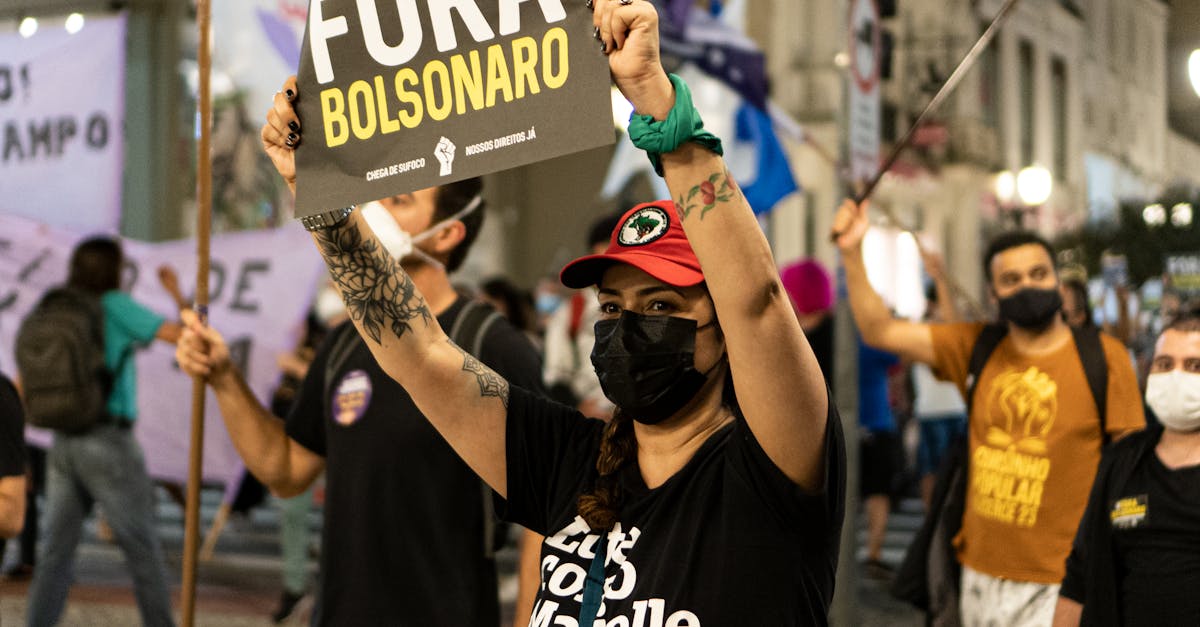
By 2026, distrust of the political class reaches critical levels. According to several studies, over 65% of citizens believe their representatives are out of touch with their immediate concerns, fueling a cycle of mistrust and cynicism. This crisis of confidence is exacerbated by recurring scandals, the perception of pervasive corruption, and the practice of institutional opacity described in recent sociological literature. Examples from Madagascar clearly illustrate this growing discontent: the suspicion that those in power are strengthening their ties with private interests instead of addressing the concrete challenges faced by the population, such as access to education, healthcare, and justice. The perception that some high-ranking officials are exploiting their positions to enrich themselves or embezzle public resources is becoming a tangible reality, widening the gap between citizens and elites. This distrust is not limited to a question of morality, but also undermines the ability to build the consensus necessary for reforms that bring about real change. The overhaul of the political class must absolutely integrate this dimension, restoring citizenship to a central place in public life, in order to rekindle hope and the legitimacy of the system.

The crucial challenges of political reform in 2026: between citizen expectations and institutional realities
Political reform appears as an essential step to revitalize a moribund democracy in the current context. But what do we really mean by political reform? It is not simply a change in customs or a mere adaptation of electoral rules. At a time when environmental, social, and economic challenges are converging toward a systemic crisis, a comprehensive reform must aim to establish greater citizen participation, strengthen transparency, and create a genuinely renewed social contract. Implementing this reform requires strong political will, an ability to overcome traditional barriers, and an openness to innovative forms of governance, such as participatory or deliberative democracy. However, this transition is not without risks: the temptation of populism or the manipulation of public opinion can hinder any process of change. The challenge, therefore, lies in articulating a realistic change capable of mobilizing institutional actors as well as civil society. The establishment of a transparent institutional framework, effective oversight mechanisms, and the empowerment of stakeholders must form the cornerstones of a credible and lasting reform.
Governance and citizen participation: pillars of a credible reform of the political class.
In a modern democracy, citizen participation becomes an essential lever for reinventing the relationship between those who govern and those who are governed. Beyond simple consultation, it involves integrating citizens’ voices into the formulation of public policies, through deliberative councils or digital platforms accessible to all. This approach is based on a logic of transparency, involvement, and empowerment of stakeholders. It must also confront historical resistance from elites, who fear losing their influence in the face of this growing power of civil society. Yet, this paradigm shift must be based on the creation of new participatory structures, capable of channeling this lived civic experience and directing these dynamics toward concrete reforms. This participation must not be a mere facade, but a lasting reality, enabling the forging of a renewed social contract. With the refounding of democracy becoming a concrete quest, it requires collective commitment to confront old practices and build a healthy democracy, where civil society plays a leading role in driving change. Since the crisis: the necessary reconstruction of a credible political class
For several years, the global political class, including in Madagascar, has been experiencing a profound erosion of its credibility.. The specter of corruption, the rise of populism, and a disconnect from social realities are all factors that weaken the legitimacy of leaders. The need to rebuild this political class therefore rests not only on institutional reforms, but also on a sincere commitment to establishing a new political ethic. Creating an environment where responsibility becomes the norm and where transparency prevails over opacity requires firm political will and the active participation of civil society. Trust requires consistency, but also tangible results, such as reducing inequalities or improving public services. Refounding then becomes a long but essential process, allowing for the broadening of the base of genuine democracy and restoring citizens’ voice in the exercise of power.
Table: The essential pillars of a successful refounding of the political class in 2026
| Aspect | Description | Concrete examples |
|---|---|---|
| 🤝 Citizen participation | Active involvement of citizens in the formulation and oversight of public policies. | Digital platforms, local deliberative councils. |
| 🔍 | Transparency | Free access to information, accountability of stakeholders, and the fight against corruption. |
| Publication of reports, strengthened citizen oversight. | 📜 | Institutional reforms |
| Modification of laws and structures to promote participation and accountability. Revision of the Electoral Code, creation of independent oversight bodies. | 🛠️ | |
| Democratic innovation Adoption of new forms of governance, such as deliberative or participatory democracy. | Popular consultations, local referendums. |
A willingness to embody change, lead by example, and make a long-term commitment.
Speeches aligned with transparency, concrete actions based on political ethics.
https://www.youtube.com/watch?v=JULl_Xl4-4o
Frequently Asked Questions (FAQ)
How can the sincerity of a political overhaul be guaranteed?
It is essential that reforms be accompanied by a firm political will and citizen mobilization capable of exerting pressure for lasting change.
What are the major obstacles to the overhaul of the political class?
Institutional resistance, the fear of losing privileges, and populism are all obstacles that must be overcome to establish truly transparent governance.
Découvrez notre guide complet — destinations, budget, visa, faune et conseils pratiques pour préparer votre voyage.

📖 Vous aimerez aussi

Transition à Madagascar : la société civile et la Génération Z face aux doutes sur le « Programme de la Refondation »
3 March 2026
Fermeture de l’aéroport de Dubaï : chaos et désarroi chez les voyageurs bloqués
2 March 2026


