
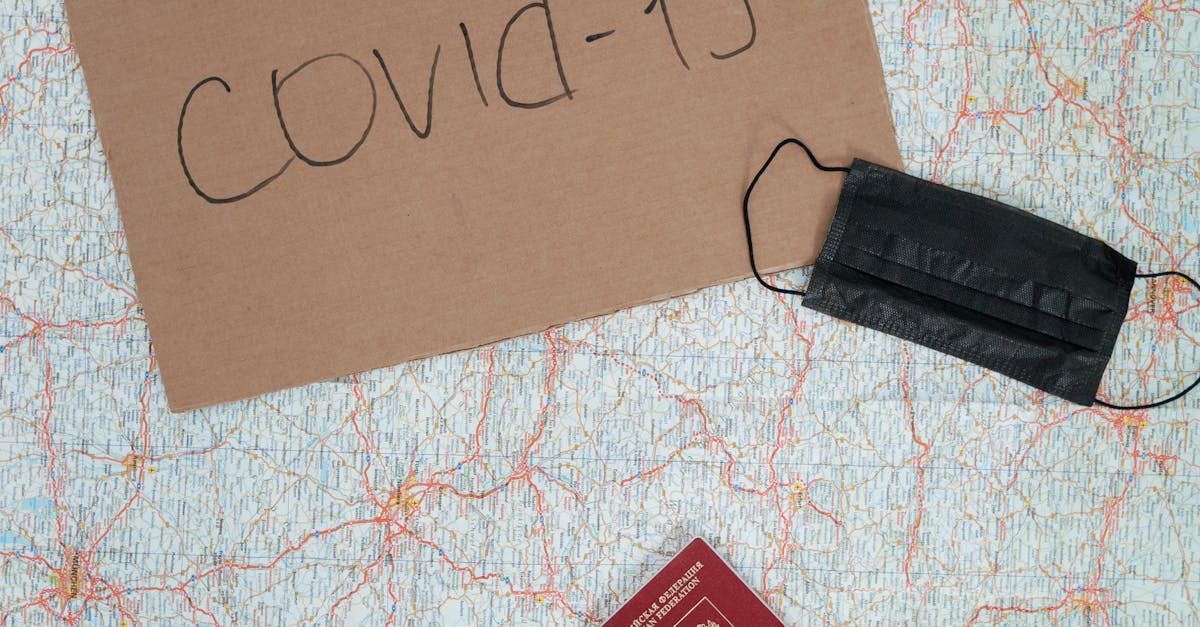

Impacts of the Travel Ban on Madagascar on the Political and Civil Scene
Since the turbulent events of 2026, Madagascar has found itself at a critical juncture where decisions made by the ruling power profoundly influence the dynamics of its public figures. Rinah Rakotomanga, former advisor to the President, and Marie Michelle Sahondrarimalala, former Minister of National Education, have been subjected to travel restrictions, destroying not only their civic rights but also their ability to interact publicly with society. These measures, taken by a government authority under intense pressure, reveal a clear desire to stifle any potentially critical political influence, thus reinforcing a climate of suspicion and ongoing tension. In a context where respect for fundamental freedoms is severely tested, this approach paints a grim picture of the deterioration of institutional dialogue and the rule of law, issues fueled by the opacity of administrative decisions and further fueled by public debate. Discover the latest information on travel bans, their impacts, and the affected countries to plan your trips safely.

The restrictive measures against these two public figures take on a symbolic dimension that is all the more worrying as they precisely illustrate the tendency to use travel bans as an instrument of political control. By depriving Rinah Rakotomanga and Marie Michelle Sahondrarimalala of their freedom of movement, the government seeks to limit their influence, while sending a strong message to those who dare to challenge the regime in power. The nominative nature of such bans, often applied under the pretext of administrative checks or investigations, then behaves as a disguised form of forced exile, all the more concerning as it is part of a series of measures aimed at suppressing all forms of dissent or opposition.
The Challenges of Justice in the Face of Restrictions on Civil Rights
This situation raises a fundamental question: to what extent can the justice system play a role against these violations of civil rights? The ban, imposed without concrete explanations, undermines the principles of transparency and fair justice. Malagasy law, in theory, guarantees freedom of movement for all citizens, but these administrative measures, often shrouded in secrecy and bureaucratic opacity, call these principles into question. The difficulty lies in striking a balance between the need to investigate or preserve national security and the protection of individual liberties. The reaction of some legal experts and civil rights organizations, who denounce an authoritarian drift, underscores a deep concern about the erosion of the rule of law, particularly when these measures appear to be applied according to vague or politicized criteria.

A growing trend towards political confinement
- Analyzing the post-2026 context, it appears that these restrictive measures are part of a broader trend of weakening democratic control mechanisms. Movement restrictions are becoming a primary vector of power, used to politically confine key opposition figures or influential individuals. By isolating these figures, the state seeks to defuse any resistance or dissent, which seriously threatens institutional stability and fundamental rights. Movement restrictions thus appear as a weapon of control, rather than a tool for ensuring security or transparency, reversing democratic logic and fostering opaque and repressive governance.
- Travel bans: a new form of control
| Psychological and social effects on public figures | The risks of isolation and forced exile | Aspect |
|---|---|---|
| Impact | Repercussions Freedom of movement | Limited |
| by strict administrative measures | Refusal of freedom of expression and movement | Political conflict |
| Intensified by the use of bans | Climate of suspicion and instability | Judicial balance |

Loss of institutional credibility
Discover essential information on travel bans, their consequences, and the latest updates to plan your trips safely. Social and international reactions to political restrictions The measures taken against Rinah Rakotomanga and Marie Michelle Sahondrarimalala have not only sparked national debate but have also drawn the attention of the international community. Numerous non-governmental organizations and civil rights groups denounce these restrictions on freedom of movement as representing a blatant democratic backsliding. For example, the report published by Studio Sifaka emphasizes the importance of monitoring these cases as key indicators of respect for fundamental rights. The criticism focuses primarily on how these measures fuel a dangerous political conflict, exacerbating the divide between old and new regimes and jeopardizing any attempt at reconciliation.
https://www.youtube.com/watch?v=stIc4no4soM
Long-term effects on institutional stability
- These restrictions, if they persist or extend to other individuals, risk setting a dangerous precedent for authoritarianism. Civil society, through its firm opposition to these practices, warns against a drift that could permanently weaken the rule of law. The international community, through sanctions or diplomatic pressure, could attempt to change the situation. However, the continuation of these measures, if they become systematic, threatens the stability of Malagasy democracy and could pave the way for a prolonged crisis, the repercussions of which will extend beyond 2026.
- Increased social tensions
- Loss of state legitimacy
Risk of open conflict
What is the real impact of the travel ban on Madagascar on democracy?
This measure constitutes a serious infringement on freedom of movement and can be perceived as a democratic setback, particularly when implemented without transparency or clear justification. It undermines the ability of citizens and public figures to actively participate in political life under fair conditions.
How is the international community reacting to these restrictions?
Human rights organizations and the international diplomatic community condemn these measures as signs of an authoritarian drift. They call for greater transparency and respect for fundamental civil rights to prevent lasting instability.
What will be the long-term consequences of these measures on the political stability of Madagascar?
🔗 Sources & références
Pour aller plus loin, consultez les sources citées dans cet article :
Découvrez notre guide complet — destinations, budget, visa, faune et conseils pratiques pour préparer votre voyage.

📖 Vous aimerez aussi

Transition à Madagascar : la société civile et la Génération Z face aux doutes sur le « Programme de la Refondation »
3 March 2026
Fermeture de l’aéroport de Dubaï : chaos et désarroi chez les voyageurs bloqués
2 March 2026


