Madagascar vanilla stands out as an emblem of excellence in the world of spices. A true aromatic treasure, its rich fragrance, nuances, and natural scent make it an exceptional product, both in gastronomy and the perfume industry. The Great Island, the world’s leading producer with 80% of the global harvest, possesses a unique terroir that gives its pods unparalleled quality. However, behind this prestigious reputation lies a sobering reality: vanilla cultivation continues to face numerous challenges, particularly economic, political, and environmental ones. While its price can reach up to €2,000 per kilo in some markets, the majority of Malagasy farmers see their financial viability jeopardized. Market dynamics, price volatility, and trade policies strongly influence this fragile industry, often dependent on international mechanisms. See more
Vanilla thus becomes a precise indicator of the challenges related to the sustainability and sovereignty of a sector that supports the livelihoods of thousands of Malagasy farmers, while also generating global interest for its sensory and cultural qualities.
The historical origins that make Madagascar vanilla an aromatic legend.
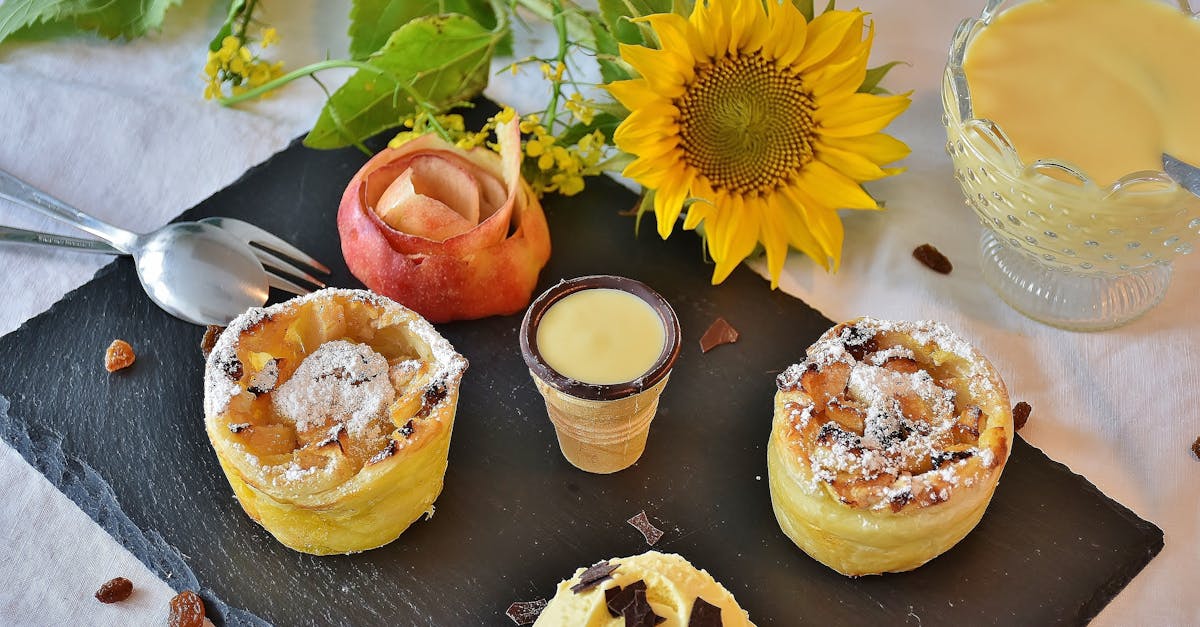
The cultivation of vanilla in this region dates back centuries. Its introduction to the island, likely from Mesoamerica, evolved into a deeply rooted artisanal tradition. The distinction between Bourbon vanilla, the emblem of Madagascar, and other varieties has developed over the centuries, thanks in particular to ancestral know-how passed down through generations. Historically, vanilla was initially considered a sacred plant, associated with rituals and a rich mythology, especially in indigenous societies. Its commercial development began in the 19th century, when its cultivation was refined and industrialized, with the creation of specific varieties such as “Bourbon,” renowned for its exceptional aroma. The sophistication of this Malagasy tradition has allowed Madagascar to establish a dominant position in the international market, thus reinforcing its reputation as an archipelago producing superior quality vanilla, still considered a benchmark today. The enduring nature of this heritage is further proof that Malagasy vanilla transcends the culinary realm to become a cultural symbol, embodying history, traditions, and artisanal expertise.
Discover the sweet and indulgent world of vanilla, a delicate and natural flavor that elevates your favorite desserts and beverages.
https://www.youtube.com/watch?v=sZW_fWS3vQ8
The Economic and Balanced Stakes Behind Vanilla Production
See more
| Dependence on a single product makes the Malagasy economy vulnerable, as vanilla exports represent a considerable share of its revenue. This dependence can also exacerbate political crises, worsening the precarious situation of many producers, as evidenced by the recent political crisis of 2026, which disrupted the sector and slowed growth. The need to establish an economic balance is therefore urgent, to prevent this precious spice from becoming a mere speculative commodity or a source of social instability. Diversifying commercial strategies and promoting local value remain essential to ensuring Madagascar retains genuine control over this resource, while respecting the sustainability and long-term viability of the sector. | Environmental and Sustainability Challenges of Vanilla Cultivation in Madagascar | The intensive cultivation of Malagasy vanilla is accompanied by increasing environmental pressures. Deforestation, particularly to make way for new plantations, threatens Madagascar’s unique biodiversity, considered one of the richest ecosystems in the world. Unregulated agriculture also leads to chemical inputs and destructive techniques that will ultimately weaken soil quality, impacting future plant growth. Sustainable management, essential for preserving this exceptional spice, requires a revaluation of agricultural practices, the networking of committed farmers, and initiatives aimed at conserving local biodiversity. Organic and ethical certification now appears as a viable solution to guarantee environmentally friendly production while maintaining the unique reputation of Malagasy vanilla. The transition to more responsible agriculture is therefore key to ensuring that this commodity remains a symbol of purity and naturalness, distinctive on the global market. Awareness and collective commitment to this issue are essential to meeting these challenges. | |
|---|---|---|---|
| Discover everything about vanilla: its history, culinary uses, and health benefits. | Strategies for adding value and marketing Madagascar vanilla 🌍 | To preserve its prestige and ensure fair compensation for producers, Madagascar must develop robust commercial strategies geared towards demanding export markets and consumers sensitive to origin. Certification, particularly organic or fair trade, helps strengthen traceability and transparency, crucial elements for attracting an international clientele seeking authentic products. Furthermore, highlighting the rich history and artisanal expertise in the storytelling surrounding local vanilla increases its perceived value. Diversifying distribution channels, including specialty shops, online marketplaces, and collaborations with luxury brands, also plays a strategic role in adapting supply to global demand. The reputation of Malagasy vanilla, cultivated using traditional methods but imported with a modern approach, must be supported by effective communication to transform this spice into a true symbol of excellence. Moving upmarket, combined with a strategy of qualitative differentiation, could sustainably strengthen Madagascar’s position in the global market. | |
| Criterion | Current State | Strategic Objective | |
| Expected Impact | Certification | In Development | Certify organic and fair trade 🟢 |
Improved traceability and commercial value
Distribution
Increased income and greater global recognition
Know-how
Traditional but evolving
Preservation and cultural enhancement
Maintaining authenticity and differentiation
Raising awareness and international engagement to preserve Malagasy vanilla
The global renown of Malagasy vanilla imposes a collective responsibility. Recognition of its exceptional qualities must be accompanied by international awareness of the challenges related to its sustainable production. Citizen pressure, awareness campaigns, and economic diplomacy play a key role in supporting Madagascar in the face of political or economic crises that could affect this sector. Initiatives such as those promoted by UNESCO or environmental NGOs strengthen the fight to safeguard agricultural land and value the work of Malagasy artisans. International solidarity thus becomes a prerequisite to guarantee that this rare spice continues to tell an authentic story, with its rich and natural aroma, while ensuring the ecological and economic sustainability of the sector. Collaboration between governments, agencies, and private partners must build a solid bridge so that vanilla is not limited to a mere promise of wealth, but becomes a model of sustainable development and global responsibility.
Discover everything about vanilla: its origin, its culinary uses, its benefits, and how to incorporate it into your recipes for an authentic and delicious flavor.
https://www.youtube.com/watch?v=QZ7woBLTQPE
Why is Madagascar vanilla so prized?
Its reputation rests on its rich aromatic notes, its historical significance, and its ancestral know-how, which give its pods a unique natural fragrance. What are the main challenges for vanilla cultivation on the island?
🔗 Sources & références
Pour aller plus loin, consultez les sources citées dans cet article :
Découvrez notre guide complet — destinations, budget, visa, faune et conseils pratiques pour préparer votre voyage.

📖 Vous aimerez aussi

Transition à Madagascar : la société civile et la Génération Z face aux doutes sur le « Programme de la Refondation »
3 March 2026
Fermeture de l’aéroport de Dubaï : chaos et désarroi chez les voyageurs bloqués
2 March 2026