
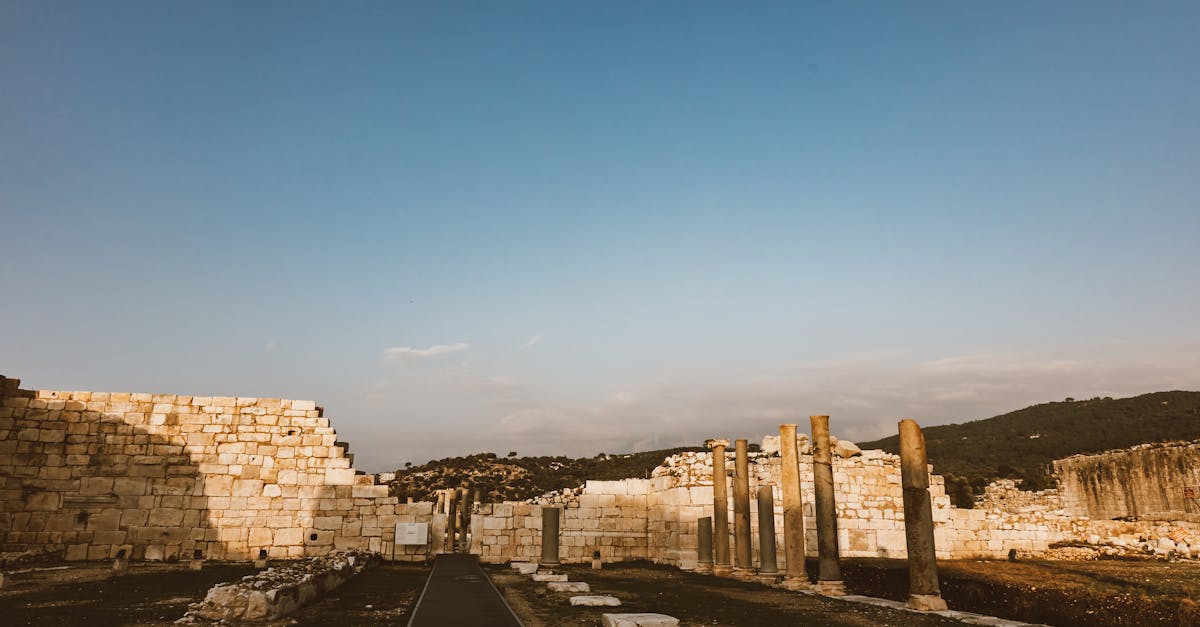

Madagascar’s heritage landscape has recently been enriched by an event of profound and moving historical significance: the return of the precious relics of King Toera and his blessed generals, emblematic figures of resistance against colonization. After 128 years of absence, these sacred artifacts, silent witnesses to ancient history and legend, are finally back in their original homeland, representing a crucial step towards the official recognition of a long-hidden legacy. The ceremony held at the Mausoleum of Avaratr’Ambohitsaina constitutes an act of remembrance and reparation, restoring these heroes to their rightful place in the national narrative, while also highlighting the collective commitment to the rehabilitation of the Toera dynasty. This episode marks a renewed dynamic in the restitution of African cultural heritage, reinforcing awareness of the need for historical reparations in the face of colonial abuses, while simultaneously reviving the legend of a people in search of their authentic identity.
A process of historical and heritage recognition: the context of the return of King Toera’s relics

Discover the fascinating history of relics, precious objects imbued with memory and cultural significance throughout the ages.
The symbolic and political implications of the return of King Toera’s relics.
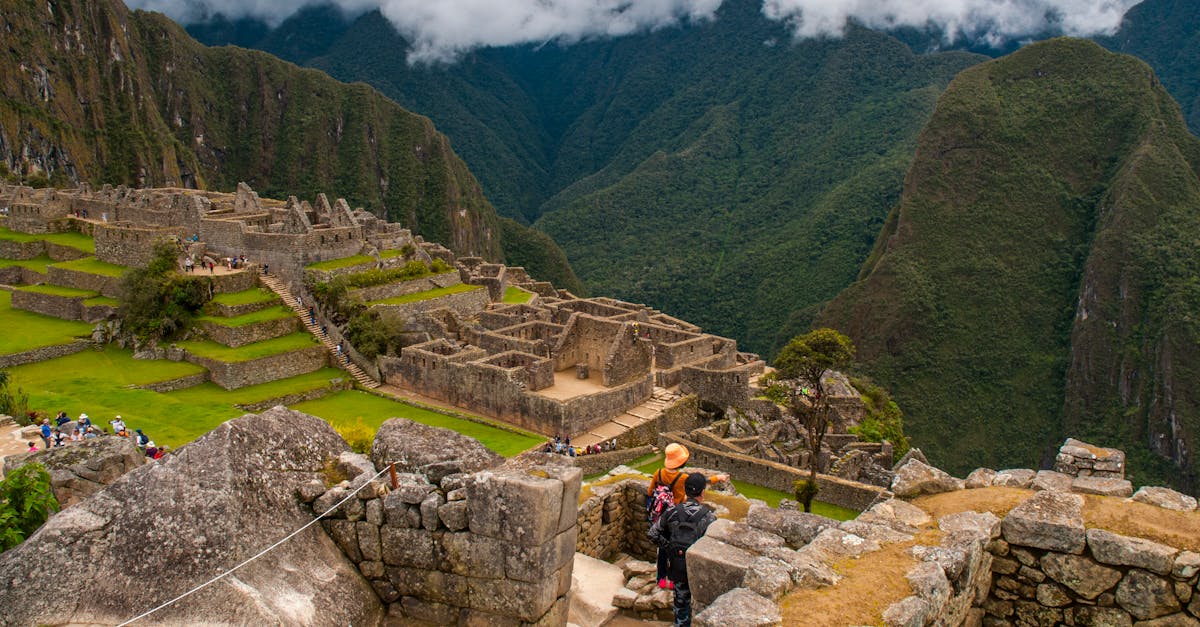
The profound significance of relics in the ancient history of Madagascar
| The relics of King Toera are invaluable witnesses to Madagascar’s ancient history, a period marked by resistance against imperialism and colonization. Their consecration as sacred artifacts imbues their possession with paramount cultural and religious significance, allowing for the transmission of an ancestral heritage to future generations. Their importance is further underscored by their role in legend, where they embody the struggle and pride of a people who have never relinquished their heritage. These relics thus become the vehicle of collective memory, reinforcing the legitimacy of the Toera dynasty and its heroes in the national narrative. The reappropriation of these ancient symbols contributes to the reconstruction of an identity that is clear-sighted about its origins, illustrating a lasting link between ancient history and the future. This approach reflects a desire to preserve, at all costs, a heritage that transcends centuries, while simultaneously being eroded by time and oblivion. | Discover the fascinating history of the relics, their origins, and their cultural significance throughout the ages. The process of recovering royal treasures: stages and challenges | The restitution of these royal treasures was not an easy undertaking; it required a series of diplomatic, legal, and cultural steps. The first step involved the precise identification of the relics, their authentication, and then their documentation within the framework of negotiations with the French institutions holding them. During these processes, raising public awareness was essential to the success of the restitution, particularly through media and public awareness campaigns. The security of the artifacts during their transfer was also a crucial issue, guaranteeing their integrity until their arrival in Madagascar. Coordination between local, institutional, diplomatic, and international actors was paramount to ensuring a smooth repatriation process. Finally, the official restitution ceremony is the culmination of a long period of negotiation, where the symbolic meaning of this undertaking goes far beyond the legal aspect to become an act of cultural sovereignty. |
|---|---|---|
| |
Steps in the Restitution Process | Description |
| Implications |
Identification and Authentication | Verification of Relics by Experts |
| Guarantees the Legitimacy of the Return |
Initiation of Diplomatic Negotiations | Franco-Malagasy Relations to Define the Framework |
| Strengthens Cultural Cooperation |
Organization of the Transfer | Security and Logistics of the Transport |
Safeguarding of the Artifacts
Official Ceremony
Reaffirmation of Cultural Sovereignty
Impact on Collective Memory and Malagasy National Culture
This return is not limited to a material dimension; it also transforms the perception of history and contributes to the construction of a national narrative. The valorization of Malagasy heritage, particularly through these relics, fosters the process of identity reappropriation in a society often confronted with the divide between past and present. The prominence given to these artifacts in official and educational discourse gives new impetus to collective memory, encouraging dialogue between different generations and social classes. The celebration of their return enhances national pride and stimulates a collective consciousness focused on preserving ancient heritage. Younger generations see in this initiative a source of inspiration to continue the struggle for the recognition of their heritage, while cultivating a resilient identity in the face of globalization.
| Discover the fascinating history of relics through the ages, their cultural significance, and their importance in various spiritual traditions. | A step forward in the fight for the restitution of African heritage. | ||
|---|---|---|---|
| The return of King Toera’s relics is part of a broader movement to recognize African heritage, often long kept in the shadows or under foreign control. The reappropriation of these symbolic treasures underscores the desire of African nations to make their voices heard on the international stage. The mobilization around this initiative encourages collective reflection on the need to save and preserve cultural riches that were once plundered. The recent restitution of numerous artifacts across the continent, notably to Benin and Senegal, provides a springboard for Madagascar, which is part of this trend of historical redress. The precedent set by this achievement could pave the way for new claims, put pressure on Western institutions to broaden the scope of restitution, and strengthen the sense of belonging and cultural sovereignty of the peoples concerned. | Summary Table: Chronology of Events and Major Issues | Key Event | |
| Date | Actors Involved | Impacts | Official Announcement of Return |
| 2020 | Malagasy Government & French Institutions | Resumption of the Negotiation Process | Reception of Relics in Antananarivo |
| 2025 | National Authorities, Population | Public Recognition of the Heritage | Restitution Ceremony |
2026
Heroes of the Resistance, Authorities
Historical Rectification and Symbolic Reparation
Project for Transfer to Menabe
Coming Soon in 2026
Local Communities, Regional Authorities
Transmission to Future Generations
Why is the return of King Toera’s relics so symbolic?
This return constitutes official recognition of Madagascar’s historical resistance to colonization and a reaffirmation of its cultural heritage. It embodies the struggle for justice and reparation for a long-hidden past.
What diplomatic issues accompany this restitution?
Découvrez notre guide complet — destinations, budget, visa, faune et conseils pratiques pour préparer votre voyage.

📖 Vous aimerez aussi

Transition à Madagascar : la société civile et la Génération Z face aux doutes sur le « Programme de la Refondation »
3 March 2026
Fermeture de l’aéroport de Dubaï : chaos et désarroi chez les voyageurs bloqués
2 March 2026


