


The September 25 Uprising: A Clear Indicator of Growing Political Instability
Over the past decade, the stability of governments in many countries of the African peninsula has been increasingly tested. The events of September 25, often described as an “uprising” in some media outlets, illustrate how quickly a political crisis can escalate into a major challenge to the constitutional order. More than just a protest, this movement reflects a deeper issue: that of institutional legitimacy and the crisis of confidence between the governed and the governing. On that day, the massive mobilization of the population, fueled by growing political unrest, highlighted the fragility of the social contract and the need for a calm and reasoned commitment to the sustainability of democracy. The repercussions are intended to extend beyond the national context, shedding light on the weakening of the democratic system in an era where instability can arise from a single incident or a chain of multiple crises, whether economic, social, or security-related. This is no longer simply a fleeting protest, but a powerful signal calling for collective awareness and decisive action to preserve the rule of law. The complexity of the issues demands that everyone, citizens and political actors alike, lucidly analyze the determining factors of this crisis and commit to a process of reconstruction.
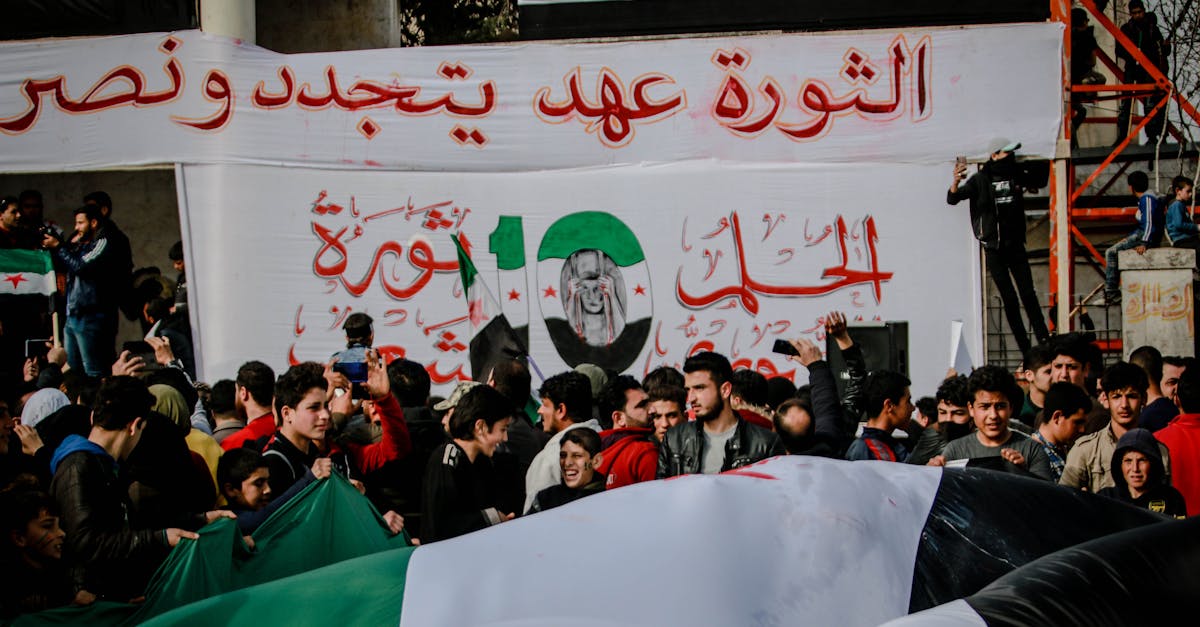
Discover Uprising, a captivating story of rebellion and courage that will keep you on the edge of your seat from beginning to end.
The structural factors fueling the crisis foreshadow the threat of a coup d’état. The September 25th Movement arose within a context marked by deep tensions, fueled by systemic failures and governance often perceived as inadequate in the face of crucial challenges. Endemic corruption, exacerbated by broken promises, generates growing discontent, as discussed in this article
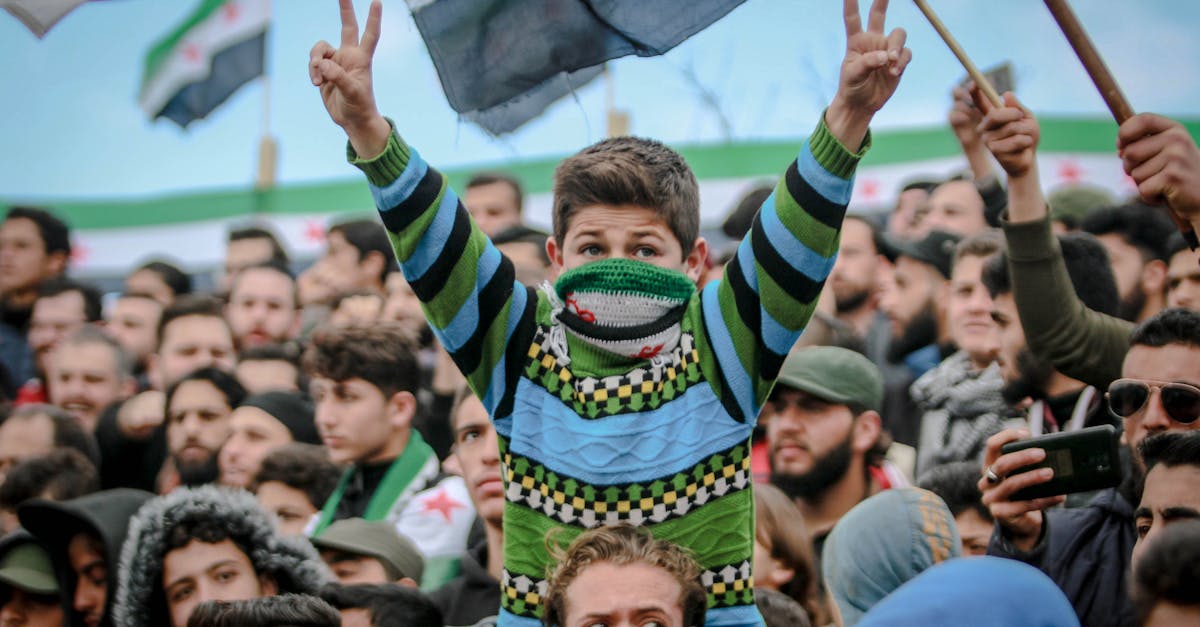
Discover ‘Uprising,’ a captivating story of rebellion and courage that defies oppression and inspires change. Senators raise the alarm about the threat of a coup amid the crisis.Faced with escalating protests and rising political conflicts, particularly during the uprising of September 25, senators have taken a firm stance to voice their concerns. Their recent statement, published on the official Senate page,
The IRMAR platform strongly condemned what it called an attempted coup d’état orchestrated by elements of the opposition. According to them, this move aims to exploit the prevailing instability to seize power “outside of electoral procedures,” which could have disastrous consequences for national stability. This message, which was widely reported by all specialized media outlets, also emphasized that this opposition, rather than focusing on constructive proposals to overcome the crises, prioritizes reckless actions such as mobilizing the population around destabilizing demands. The IRMAR platform, which brings together the 13 signatory senators, did not hesitate to describe these maneuvers as dangerous attempts at destabilization. The closure of the area around the Senate building in Anosy, designated a red zone, testifies to the gravity of the situation and the legislative branch’s determination to prevent any further unrest. The situation illustrates that the threat of a coup d’état is no longer a hypothetical scenario, but a serious issue to be addressed within the context of the security crisis gripping the country.
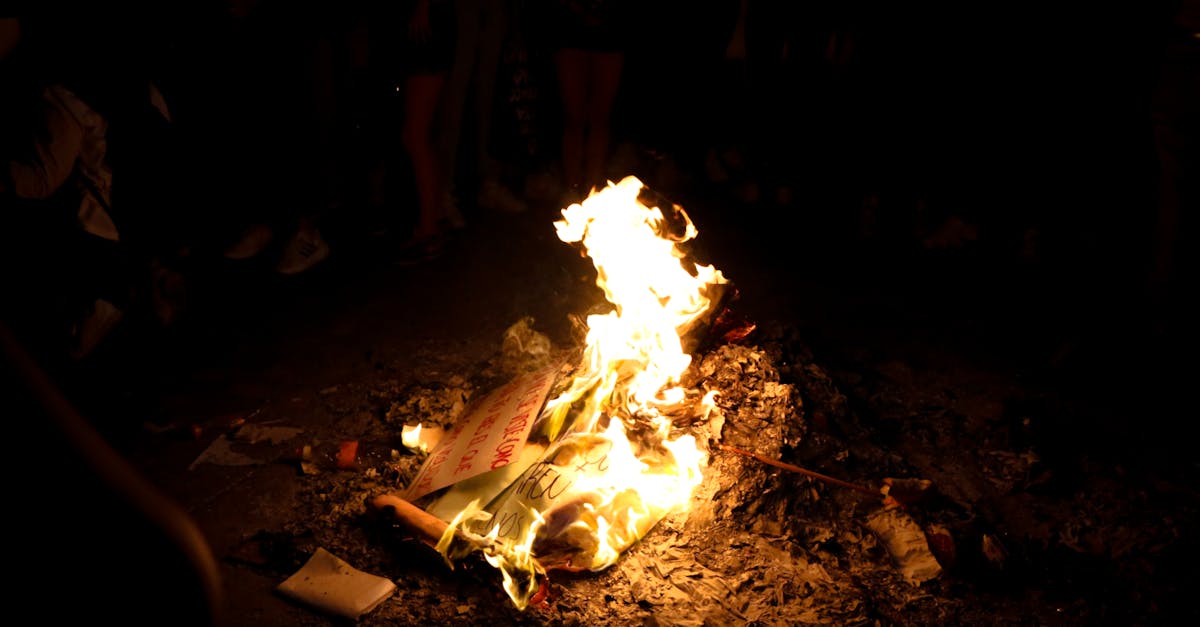
Discover “Uprising,” a captivating work that explores revolt and the quest for freedom through an intense and emotional narrative.
The risks of violence and the emergence of destabilization tactics Historically, every major insurrection has been accompanied by various strategies to evade surveillance and increase chaos. In the current context, some analysts believe that the ongoing mobilization could degenerate if the climate of mistrust persists, especially if extremist groups or factions attempt to align their interests with destabilization strategies. The fear of escalation, or even total collapse, is prompting security forces to increase their vigilance. The heightened surveillance of certain digital movements, particularly those surrounding protest movements, is evidence of this. Public safety could then be severely impacted by the actions of radical groups who, under the guise of civic engagement, would promote the idea of regime change. The manipulation of violence as a lever for change, often discussed in strategic circles, could soon gain momentum, causing deep concern among political and military leaders. Security Challenges in the Face of an Imminent Political Crisis: The Crucial Role of SenatorsIn this context of escalating tensions, senators play a vital role in stabilizing the situation or, conversely, in allowing chaos to spread. Their responsibility is twofold: to preserve the legitimacy of institutions while preventing extremist forces from exploiting the chaos to establish de facto regimes. Their expressed concern, particularly in this protest movement, reflects the need to mobilize all political actors in a concerted effort to prevent a complete breakdown. Managing security crises must therefore combine heightened vigilance with careful dialogue to prevent escalation from leading to deeper and more lasting instability.
Prevention Strategies to Avoid a Major Crisis
To mitigate this threat of a coup, several international relations experts recommend strengthening ties between institutions and security forces. Priority must be given to a thorough understanding of the root causes, particularly corruption and mismanagement. Transparency in the management of public resources and the establishment of participatory oversight mechanisms can also be effective responses. Strategic communication, aimed at reassuring the population, is equally essential to reducing tension and preventing discontent from escalating into violence. Implementing an inclusive dialogue, where all segments of society feel heard, is the best guarantee against further escalation and for preserving national cohesion in the face of the growing threat. The social movements of September 25: a shock to the collective consciousnessThis movement cannot be reduced to a simple protest or an isolated incident. In reality, this uprising crystallized an unprecedented collective consciousness, challenging society as a whole. The participation of diverse actors—young people, workers, intellectuals—reflects a deeper meaning: a desire to reclaim civic space in the face of a governance perceived as failing. This day of mobilization comes at a time when political instability threatens to trigger a moral crisis and a loss of trust in all institutions. It raises a crucial question: how can we re-establish lasting legitimacy when frustration and discontent are constantly spreading? The answer potentially lies in profound reform, capable of building social consensus around a shared vision, rather than reacting solely with repression or fear.
Lessons Learned from Mass Mobilizations
The demonstrations of September 25th could serve as a catalyst for national awareness. They also illustrate the importance of open dialogue between citizens and leaders to prevent the crisis from becoming unmanageable. Transparent management of the situation and clear communication can make all the difference. Popular pressure must be met with a clear-sighted and pragmatic response from the government, considering structural reforms that address the concerns of different social strata. Moreover, this historic moment should encourage the development of a roadmap for the future, integrating citizen participation and addressing major dysfunctions.
International Responses to Growing Instability
Major political crises often attract the attention of the international community, concerned with maintaining stability and peace in the region. External aid, in the form of mediation or economic support, is often part of a preventative rather than a reactive approach. Establishing robust diplomatic support could play a key role in defusing the crisis and fostering an inclusive dialogue process. Cooperation with regional or international partners, such as the African Union or the United Nations, could also strengthen the legitimacy of domestic actions. However, the current crisis demonstrates that without a lasting resolution, these interventions will only be palliative in the face of deeply entrenched tensions.
Risks of regional destabilization to be expected
A persistent political crisis may not remain confined to the national sphere. Protest movements and their repercussions could lead to regional destabilization, particularly in the event of external interference or the spread of violence. The danger also stems from a spiral in which each party attempts to control the narrative, thereby reinforcing confusion and chaos. International solidarity must therefore be based on a proactive approach to prevent destabilization from becoming unmanageable. The implementation of development and stabilization programs, as well as the strengthening of local institutions’ capacities, are essential levers for containing this threat.
Key Factor
Potential Impact
| Preventive Measure | Corruption | Increased discontent and loss of legitimacy |
|---|---|---|
| Increased transparency and control mechanisms | Economic mismanagement | Amplification of social frustration |
| Structural reforms and strategic communication | Social inequality | Spread of protest movements |
| Inclusion and participatory dialogue | Violence and radicalization | Escalation of conflict and national destabilization |
| Enhanced security and surveillance | What are the main risks associated with the September 25 uprising? | This movement reveals a worrying state of political instability, with the increased danger of a coup or a deterioration in security that could lead to a major crisis. |
How are the senators trying to prevent a major crisis?
By denouncing any attempt at destabilization and calling for national solidarity and responsible governance, they are seeking to preserve the integrity of institutions in the face of the threat of a de facto regime.
What is the main lesson to be learned from the September protests?
It is essential to establish a frank and constructive dialogue, incorporating all voices in society, to prevent collective frustration from leading to an explosion of violence or an irreversible crisis.
What role does the international community play in this crisis?
It can provide mediation and economic support to defuse the spiral of tensions, while encouraging an inclusive dialogue process to ensure lasting stability.
🔗 Sources & références
Pour aller plus loin, consultez les sources citées dans cet article :
- Senators raise the alarm about the threat of a coup amid the crisis. — fr.wikipedia.org
- Historically, every major insurrection has been accompanied by various strategies to evade surveillance and increase chaos. In the current context, some analysts believe that the ongoing mobilization could degenerate if the climate of mistrust persists, especially if extremist groups or factions attempt to align their interests with destabilization strategies. The fear of escalation, or even total collapse, is prompting security forces to increase their vigilance. The heightened surveillance of certain digital movements, particularly those surrounding protest movements, is evidence of this. Public safety could then be severely impacted by the actions of radical groups who, under the guise of civic engagement, would promote the idea of regime change. The manipulation of violence as a lever for change, often discussed in strategic circles, could soon gain momentum, causing deep concern among political and military leaders. Security Challenges in the Face of an Imminent Political Crisis: The Crucial Role of Senators — bfmtv.com
- The social movements of September 25: a shock to the collective consciousness — leparisien.fr
Découvrez notre guide complet — destinations, budget, visa, faune et conseils pratiques pour préparer votre voyage.

📖 Vous aimerez aussi

Transition à Madagascar : la société civile et la Génération Z face aux doutes sur le « Programme de la Refondation »
3 March 2026
Fermeture de l’aéroport de Dubaï : chaos et désarroi chez les voyageurs bloqués
2 March 2026


