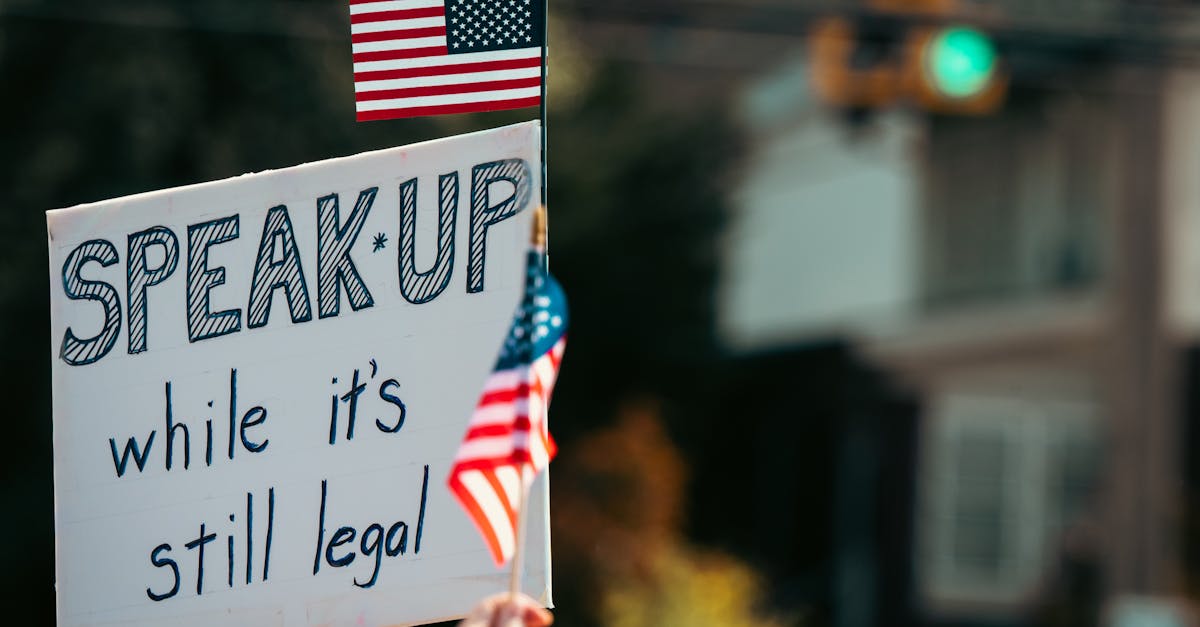
In 2026, the global media landscape faces a new crisis that challenges the very foundation of freedom of expression, hitherto considered an inalienable pillar of democratic societies. A recent incident, involving arbitrary arrests, increased censorship on social media, and legal controversies, illustrates how blurred the line between legitimate regulation and authoritarian oppression can become. The situation in several countries, notably Madagascar, reflects a worrying trend where civic dissent is stifled in the name of security or stability, fueling a debate that extends far beyond the local context. The gravity of these events lies in their capacity to undermine the fundamental right to communicate freely, while simultaneously exacerbating a crisis of confidence in institutions. Restricting citizens’ voices under these conditions can only increase social tension, encourage radicalization, and reinforce accusations of democratic backsliding. Faced with this erosion of freedoms, analyzing the causes and consequences of these incidents becomes crucial, as respect for or violation of the right to free speech could well determine the future of global governance and the sustainability of open societies. The rise of censorship, the increasing pressure on the media, and the recurring legal controversies against those who stand up to defend freedom of expression underscore a profound concern about the state of democracy in this pivotal year. The central question is no longer simply that of freedom of expression, but that of its survival in the face of a powerful trend toward disguised authoritarianism, which no longer conceals its ambitions for total control.
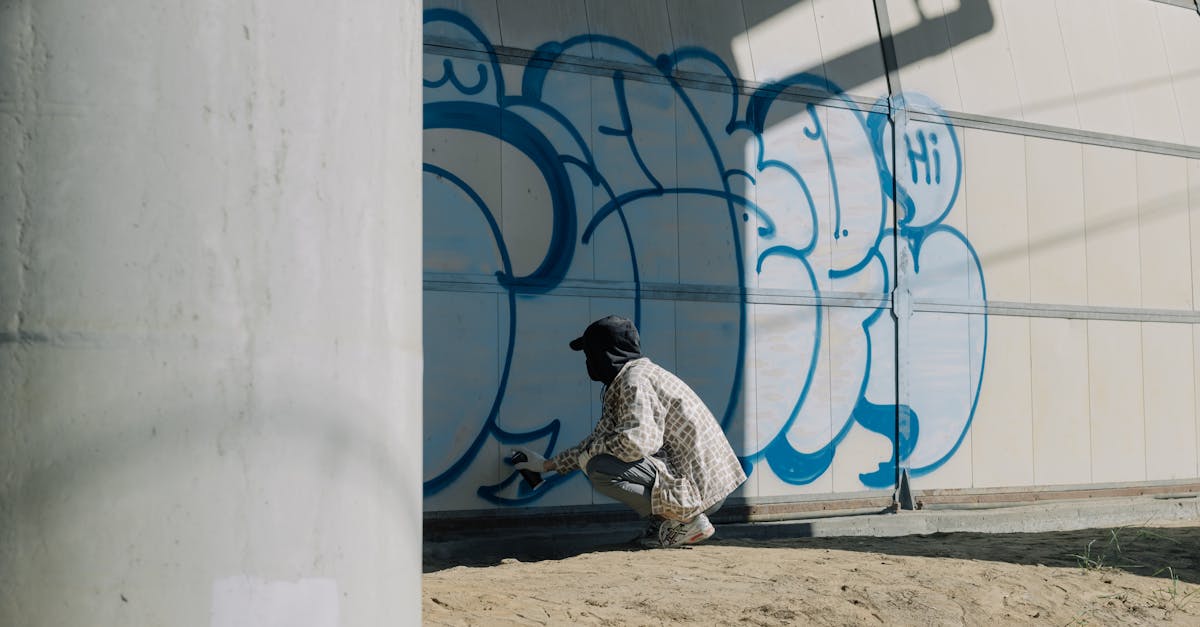
The crucial challenges of freedom of expression in the face of a dramatic incident Recent events, particularly in Madagascar, where two municipal councilors were arrested for attempting to organize a demonstration denouncing water and electricity outages, embody the growing complexity of the issues surrounding freedom of expression. The manner in which this arrest unfolded, against a backdrop of censorship and police repression, illustrates the tendency to systematically use force to silence the voices of those who challenge the powers that be. This is clearly a serious incident, revealing a context where the right to free communication is not only hindered but also criminalized. The recent court decision to suppress all criticism of JIRAMA, the local water and electricity company, is a blatant example of the erosion of public debate. It is becoming increasingly difficult to accept that critical discourse can be considered an offense, its legal interpretation reflecting censorship more than respect for the law. The local press, particularly committed journalists like Sennen Andriamirado and Paul Rapatsalahy, are facing growing threats, violence, and unjustified prosecutions. Freedom of expression, in its very essence, must not become a privilege reserved for those who support the regime, but a universal right, protected by law, in the face of increasing pressure. Discover the importance of freedom of expression, a fundamental right allowing everyone to express themselves freely and share their ideas without fear of censorship. The Risks of a Decline in Freedom of Expression in Modern SocietyThe decline in freedom of expression, manifested by arrests, prosecutions, and censorship on social media, poses a major civilizational problem. In Madagascar, as elsewhere, criticism is often perceived as a threat and repressed without nuance. The fear of open debate, denunciation, or even simple political satire has detrimental repercussions on democratic vitality. This situation is part of a broader context in which pressure exerted by authoritarian governments increases the tendency to stifle all opposition, often by manipulating the justice system or using force. These practices are based on a flawed understanding of the law, which must never be used as a pretext for suppressing critical discourse. The international community, particularly through media coverage of cases like that of Madagascar, is observing this trend with concern, as it contributes to a loss of social consensus on the central value of freedom of expression. Communication is becoming a weapon, not a means of constructive exchange. The role of the media, particularly social networks, is also being called into question, as they are both vehicles of freedom and targets of censorship and political control. Surveillance, censorship, and judicial repression all risk leading to a society where free speech is nothing more than a distant memory.
The consequences for society and democratic debate.

. Comparative Analysis: Freedom of Expression Around the World and Its Challenges CountrySituation in 2026
Main Challenges
| Recommended Actions | Madagascar | Advanced Regression | with Arrests and Censorship |
|---|---|---|---|
| Political Repression, Judicial Manipulation | Strengthen the Legal Framework, Guarantee Judicial Independence France | Worrying Decline | with Restrictions on Social Media |
| Government Pressure, Media Excesses | Debate on Balanced Media Regulation Europe | Withdrawal of Rights | under the Pretext of Combating Hate Speech |
| Excessive Security, Systematic Censorship | Reform of Laws Protecting Freedom of Expression How Can the Political Context Influence Freedom of Expression? | The political context, particularly the concentration of power and the use of judicial or police repression, can severely limit the ability of citizens and the media to express themselves freely, as was observed in Madagascar in 2026. | What are the best strategies to counter censorship? |
Legal protection for journalists, raising awareness of fundamental rights, and the use of new digital platforms resistant to government censorship are all effective strategies for preserving freedom of expression.
What role do social networks play in defending or suppressing freedom of expression?
Social networks can become both powerful tools for disseminating free speech and targets of censorship and control, thus revealing the complex interplay between free communication and regulation.
🔗 Sources & références
Pour aller plus loin, consultez les sources citées dans cet article :
Découvrez notre guide complet — destinations, budget, visa, faune et conseils pratiques pour préparer votre voyage.

📖 Vous aimerez aussi
Transition à Madagascar : la société civile et la Génération Z face aux doutes sur le « Programme de la Refondation »
3 March 2026
Fermeture de l’aéroport de Dubaï : chaos et désarroi chez les voyageurs bloqués
2 March 2026