
The solidarity movement uniting France and Madagascar has reached a new and significant milestone, embodied by the commitment of the Madagazelles (women from Madagascar) to an exceptional race organized in Ploudalmézeau. In 2025, this initiative transcends mere sporting activity; it becomes a true emblem of mutual aid, sharing, and collective determination aimed at supporting a country facing numerous social and economic crises. The participation of these women, from various regions of Madagascar, underscores the power of civic engagement in a context where the precarious situation on the island exacerbates the need for a geographically and collectively united effort. Through this event, the local community and the Malagasy diaspora come together to demonstrate that, in the face of adversity, human cooperation and solidarity unite all stakeholders in a dynamic that fosters change. In this crucial year for Madagascar, where the challenges of poverty persist, this race in Ploudalmézeau illustrates the power of collective action to overcome crises and demonstrates that concrete aid remains a priority for supporting sustainable development. The mobilization of these women embodies the strength of unity and the spirit of sharing in a world where international cohesion must be strengthened to promote social justice. The race thus becomes a powerful symbol, reflecting the deep conviction that individual initiative, combined with collective action, can truly change the situation. More than ever, the spirit of this solidarity odyssey illustrates a global awareness: the fight against poverty and for the future of Madagascar requires sustained and lasting involvement, deployed both on the ground and within international awareness networks. The determination of these Madagascan women, at once As a standard-bearer of national commitment and an agent of tangible change, Madagascar is part of a logic of active solidarity that transcends borders and rhetoric. The crisis facing Madagascar, exacerbated by structural weaknesses, demands sincere and coordinated support, reminding us that international cooperation must not be limited to words but must translate into concrete, solid, and lasting actions.
Les Madagazelles: an example of collective commitment to a humanitarian cause.
The story of Les Madagazelles is a testament to a collective commitment rooted in a deep desire to reduce inequality. Founded by three passionate women—Odile, Julie, and Caroline—this association is actively working to improve educational and social conditions in their country of origin, Madagascar. Their participation in the solidarity race in Ploudalmézeau symbolized exemplary mobilization, illustrating how a passion for sport can become a powerful lever for a humanitarian cause. Their work focuses on organizing trail runs and distributing supplies to Malagasy schools, contributing to a tangible improvement in educational performance. This approach is based on a clear vision: that every step in solidarity must have a direct and lasting impact on the lives of the beneficiaries. In 2025, at this race, these women welcomed 34 participants, all driven by a shared desire to make a difference. Their commitment is not merely symbolic: it is part of a dynamic of sharing values such as mutual support, perseverance, and civic responsibility. Solidarity thus becomes a source of hope, capable of transcending social and geographical differences to foster constructive dialogue. By supporting these initiatives, the Malagasy community in France is asserting itself as an essential player in solidarity-based development. By promoting activities such as this race, they are strengthening intergenerational bonds while raising collective awareness of the need to invest in education and healthcare in Madagascar. The impact of such actions goes far beyond simple sporting participation; it embodies a true renaissance of the meaning of humanitarian commitment on both a local and global scale.
A Race for Madagascar: A Key Sporting and Social Challenge in 2025
Beyond its sporting aspect, the race organized in Ploudalmézeau illustrates an initiative to raise awareness of sustainable development in a context where Madagascar continues to face major challenges. The participation of women in the trail runs, each nearly 8 km long, highlights the importance of physical activity within solidarity initiatives. The diversity of the event, which includes significant elevation changes and a demanding course, also aims to provoke reflection on living conditions on the island. The success of this race relies in part on the mobilization of all generations, particularly young people, who are aware of the importance of civic responsibility. The team’s active participation demonstrates that collective commitment stems from a shared motivation: to make sporting action a vehicle for hope for Madagascar. The strength of this type of initiative lies in its ability to unite diverse perspectives around a shared goal: combating poverty, improving education, and promoting health. Solidarity thus translates into concrete actions that go far beyond mere sporting success, addressing the very heart of Madagascar’s development. The presence of women in this challenge also illustrates the commitment to promoting equality and the role of women in collective effort. The team’s participation demonstrates that competitiveness can go hand in hand with generosity, sending a powerful message to society as a whole.
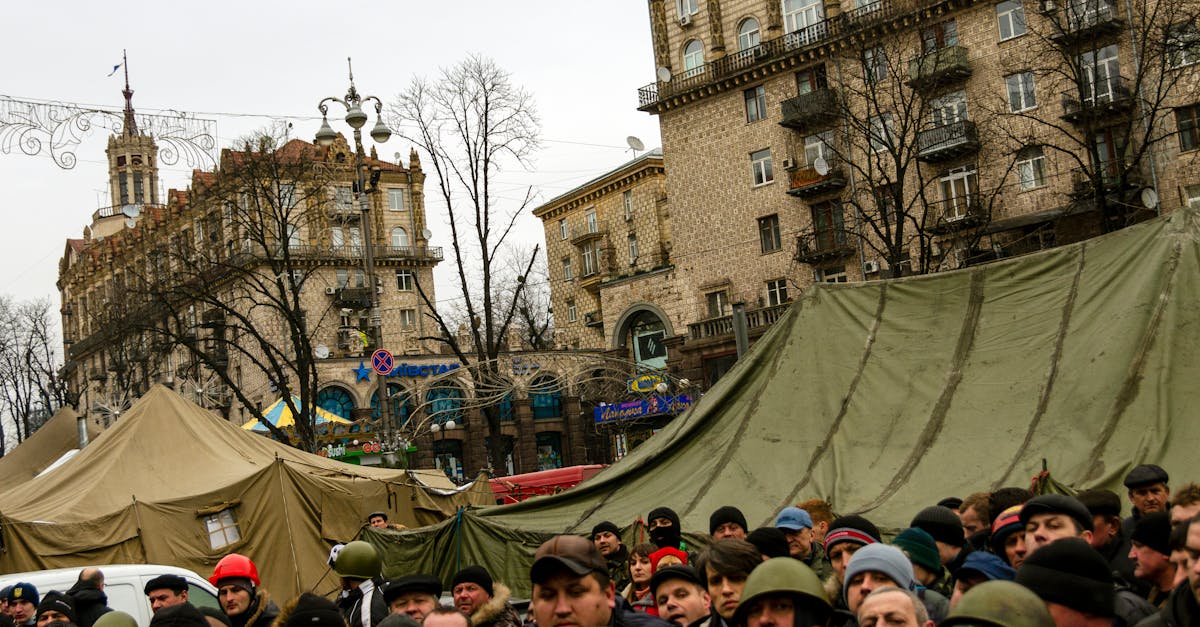
Discover the importance of solidarity, an essential bond that unites individuals to support, share, and act together in the face of challenges.
The benefits of solidarity-based sporting activity for Madagascar and its partners Engaging in sporting activities within a solidarity-based context, such as the race in Ploudalmézeau, offers numerous benefits, both for the participants and for the Malagasy communities that benefit. First, it fosters collective awareness of the crucial challenges of sustainable development. The media visibility of these races strengthens international awareness and encourages greater commitment. Furthermore, these activities mobilize a network of partners—associations, businesses, and local stakeholders—around a common goal: improving the daily lives of Malagasy children. The distribution of school supplies and the improvement of educational standards, particularly through concrete actions such as donations to Madagascar or the implementation of educational programs, are examples of this. The sporting aspect also acts as a catalyst for energy, promoting cohesion and personal achievement. In short, this sporting and solidarity-based approach positions Madagascar within a framework of sustainable hope, projects that become achievable when all local and international stakeholders join forces. Positive Effects of the Solidarity RunImpact for Madagascar🚶♀️ Increased Awareness
| Improved Education and Health | 🤝 Strengthened Community Ties |
|---|---|
| Development of Sustainable Infrastructure | 🎯 International Mobilization |
| Creation of Economic Opportunities | 🌱 Promotion of Physical Activity |
| Empowerment of Youth and Women | 🔧 School Supply Distribution Project |
| Improved School Climate | Challenges to Sustain Solidarity Commitment in 2026 and Beyond |
| While the 2025 mobilization demonstrates a strong commitment, it remains crucial to analyze its limitations in order to develop sustainable strategies for Madagascar. The fragility of funding constitutes a major obstacle that could jeopardize the continuity of these initiatives. Dependence on one-off activities, such as this race, should not obscure the need to develop a long-term vision, notably one that integrates the empowerment of local communities. The sustainability of these actions also requires strengthening the organizational capacity of local stakeholders so that they can continue to lead projects without relying solely on external interventions. Furthermore, raising awareness among a wider public, particularly through enhanced educational programs and communication campaigns, is essential to sustaining this momentum of solidarity. Collaboration between the diaspora, French institutions, and Malagasy institutions must be consolidated to avoid any dispersion of efforts. The establishment of a clear legal and financial framework, as well as rigorous monitoring of results, will also ensure that every euro invested has a measurable impact. Regular participation in solidarity-based sporting activities must therefore become an institutional habit, allowing solidarity to be permanently embedded in the social fabric. The key to success lies in a shared vision, where each stakeholder plays a key role in building a future free from dependency, but one focused on autonomy and community resilience. |
Discover the importance of solidarity in strengthening social bonds and supporting communities in difficult times. Bilateral cooperation must be strengthened for a lasting impact in Madagascar.
The geopolitical and economic context in 2026 places bilateral cooperation at the heart of structuring support efforts for Madagascar. Strengthened collaboration between France and Madagascar is essential to transform ad hoc initiatives into sustainable strategies. Participation in solidarity sporting events, such as this race, must not remain an isolated operation but must be part of an institutional partnership approach. The implementation of joint programs in education, health, and sustainable development would require enhanced coordination to effectively address the country’s pressing needs. The mobilization of French economic actors and local authorities must also support this effort to catalyze sustainable investments, particularly in community infrastructure and economic empowerment projects. Transparency in fund management and partner accountability are fundamental to ensuring a real impact. By fostering these bilateral exchanges, solidarity becomes an integrated action strategy, delivering concrete solutions. The long-term vision must also aim to strengthen local capacity, whether through training or skills transfer, so that Madagascar can build a solid, resilient, and self-reliant future. The partnership must not be based solely on generosity, but also on a shared commitment to seeing Madagascar progress towards economic and social sovereignty. This requires consolidating a virtuous circle that links external aid to local engagement, which is essential in 2026 to guarantee the sustainability of solidarity efforts.
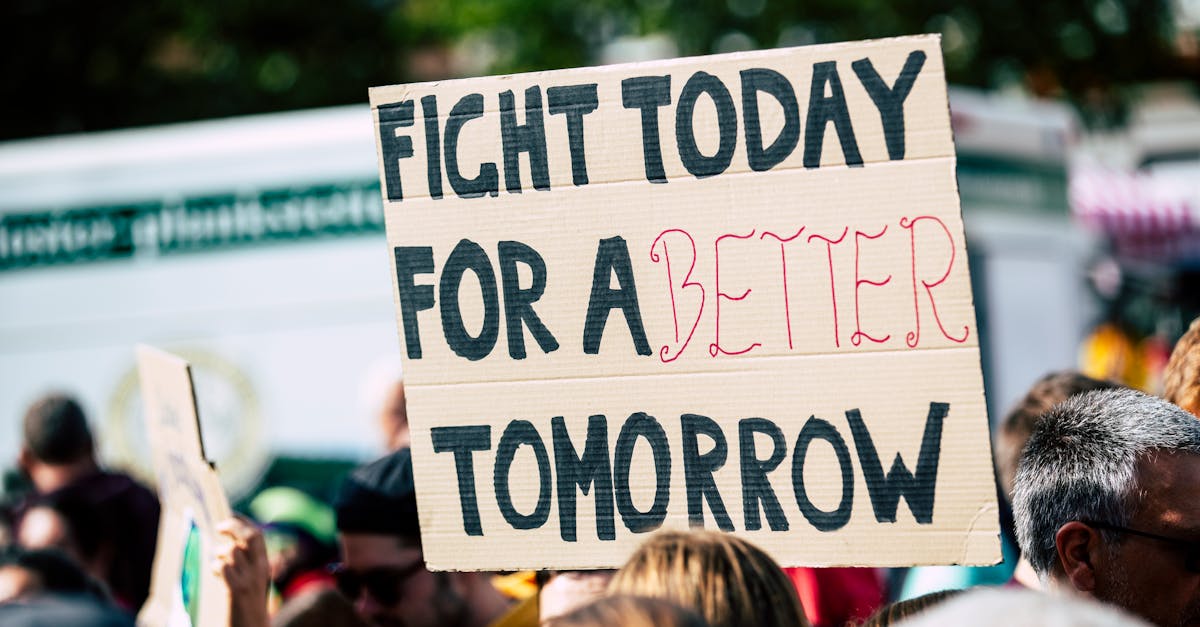
Solidarity activities such as this sporting event in Ploudalmézeau illustrate an integrated approach to development challenges. The implementation of sustainable actions relies on the adoption of comprehensive strategies, including training, awareness-raising, and skills transfer. The use of structured projects, such as the same cooperation framework or the exchange of best practices, is an effective lever for long-term support. The participation of civil society, particularly through associations such as Madamiza, fosters greater autonomy in managing these actions. Ensuring the sustainability of these projects also requires the mobilization of stable and transparent funding, avoiding exclusive dependence on external funds and guaranteeing responsible management. At the heart of this approach is also the need to strengthen education and health, essential for balanced, sustainable, and inclusive growth. Collaboration between local and international partners must emphasize these values in order to design tailored programs that meet the specific needs of the Malagasy population. The race in Ploudalmézeau appears as a pivotal step, symbolizing the synergy between sporting activity and sustainable strategies, drivers of a promising future for Madagascar in 2026.
https://www.youtube.com/watch?v=d-pGHbN9Low
Key Initiatives for Sustainable Development Expected Results 🤝 Concrete Humanitarian Actions 🎓 Enhanced Education🌱 Environmental Projects
| ⚙️ Skills Transfer | 🌍 Local Autonomy |
|---|---|
| 🗺️ Strengthened Bilateral Partnerships | 📈 Sustainable Economic Growth |
| 💡 Innovation and Awareness | 🌟 Lasting Social Impact |
| Why is this solidarity race important for Madagascar? | It embodies concrete action, symbolizing collective commitment to addressing the country’s challenges, while mobilizing essential resources to improve educational and healthcare conditions. |
| How can the sustainability of solidarity initiatives in Madagascar be strengthened? | |
| It is vital to ensure stable funding, strengthen the organized capacity of local actors, and foster lasting partnerships between France and Madagascar, while also raising greater public awareness. | What are the challenges of bilateral cooperation for Madagascar in 2026? |
They lie in the need to integrate aid into a comprehensive strategy aimed at the country’s autonomy and resilience, avoiding dependency and promoting skills transfer.
What are the benefits for Madagascar of solidarity-based sporting activities?
They raise awareness, strengthen social cohesion, mobilize a network of partners, and bring the issue to the attention of the general public.
Source:
www.letelegramme.fr
🔗 Sources & références
Pour aller plus loin, consultez les sources citées dans cet article :
Découvrez notre guide complet — destinations, budget, visa, faune et conseils pratiques pour préparer votre voyage.

📖 Vous aimerez aussi
Transition à Madagascar : la société civile et la Génération Z face aux doutes sur le « Programme de la Refondation »
3 March 2026
Fermeture de l’aéroport de Dubaï : chaos et désarroi chez les voyageurs bloqués
2 March 2026