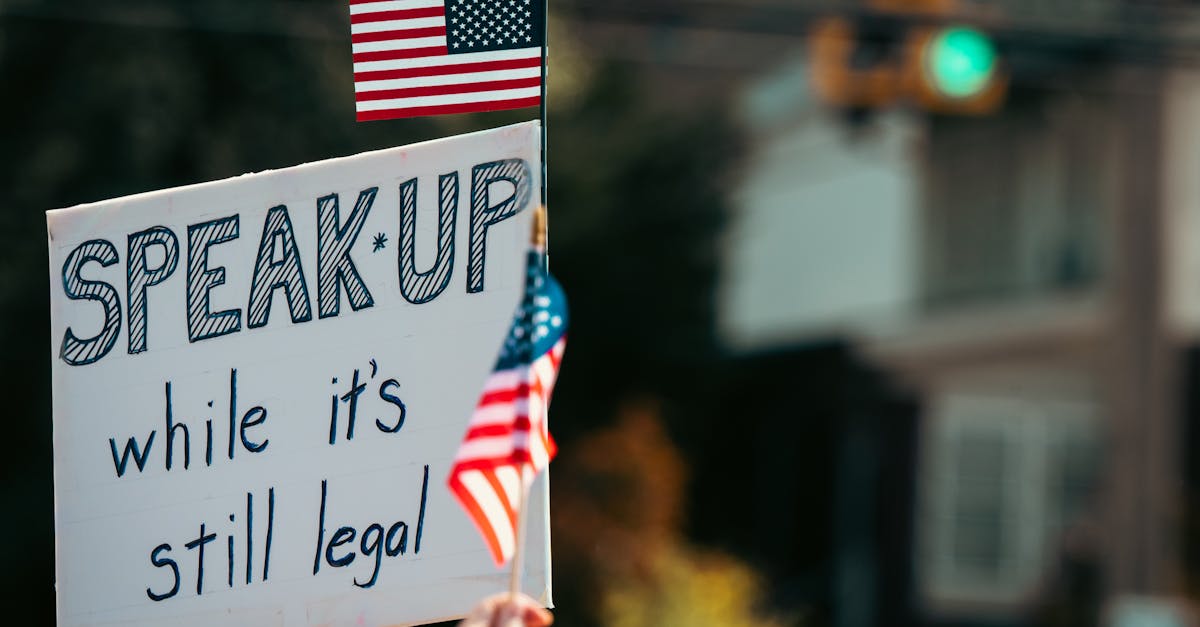

Since the outbreak of the institutional crisis in Madagascar in early 2025, the legal status of the current situation has become a major challenge for the international community and local actors. Decision No. 10-HCC/D3, dated October 2025, marked a new stage in the island’s governance by declaring the presidency vacant and granting the military the provisional management of state affairs. While this measure was presented as a transitional period, its true legal nature remains subject to careful scrutiny. The complexity lies in the fact that this period occurs within a context of apparent rupture with the constitutional order, while simultaneously maintaining essential continuity. The central question is whether this provisional regime constitutes a genuine political transition or is merely an interim government, pending new elections or a constitutional amendment.
Faced with this unprecedented situation, a legal analysis is essential to clarify the true status of this transitional management, drawing in particular on recent jurisprudence from the High Constitutional Court (HCC) and the framework of Malagasy constitutional law. The political stability of Madagascar depends directly on this, as an institutional breakdown of this magnitude could pave the way for a deeper crisis, with implications for both internal governance and international commitments. The appropriateness of characterizing this phase as a transition or an interim period is not merely a semantic issue: it concerns the legality of the authority in place, the legitimacy of the actors involved, and the credibility of the institutions internationally. The temptation to describe this period as a prolonged transition, exploited by certain political actors to legitimize their actions, must be countered by a rigorous interpretation of positive law and recent jurisprudence to avoid any risk of legal or political missteps.
This context also demands reflection on the governance to be adopted in the face of a crisis that threatens the very stability of the country. Negotiations with all stakeholders, the recognition or rejection of the legality of military actions, and the development of an electoral calendar that complies with constitutional requirements must all be conducted in strict accordance with the existing legal framework. In this regard, a more thorough analysis of Malagasy constitutional law, supplemented by examples from comparable situations in Africa, will allow for a better understanding of whether this provisional management of public affairs is part of a transitional process or whether it is, in reality, merely a brutal interim measure that could lead to a lasting breakdown.
Découvrez notre guide complet — destinations, budget, visa, faune et conseils pratiques pour préparer votre voyage.

📖 Vous aimerez aussi

Transition à Madagascar : la société civile et la Génération Z face aux doutes sur le « Programme de la Refondation »
3 March 2026
Fermeture de l’aéroport de Dubaï : chaos et désarroi chez les voyageurs bloqués
2 March 2026