


An architectural revolution for living spaces for dependent people: challenges and prospects in 2025
Faced with the exponential growth of dependent elderly populations and the challenges of supporting them, the design of retirement facilities must urgently evolve. In 2025, the focus will no longer be limited to simple health or logistical functionality, but will shift toward the creation of truly integrated, personalized living spaces that foster well-being. Beyond traditional configurations, the new architecture of living spaces must meet a fundamental requirement: restoring residents’ dignity and autonomy while promoting their social inclusion. Sector players, such as Domitys and Korian, are investing heavily in innovative designs that combine ergonomics, aesthetics, and active resident participation.
This rich and complex context requires a profound rethinking of traditional models. The need to rethink housing for dependent elderly people is illustrated by the emergence of bold new architectural trends, combining technology, sustainability, and humanism. Such a transformation requires a collective mobilization between professionals, communities, and users to create spaces that truly embody resilience in the face of the crises of aging and isolation. The essential difference lies in the ability to build places where each individual benefits from a meaningful living environment, rather than simply a space for survival.
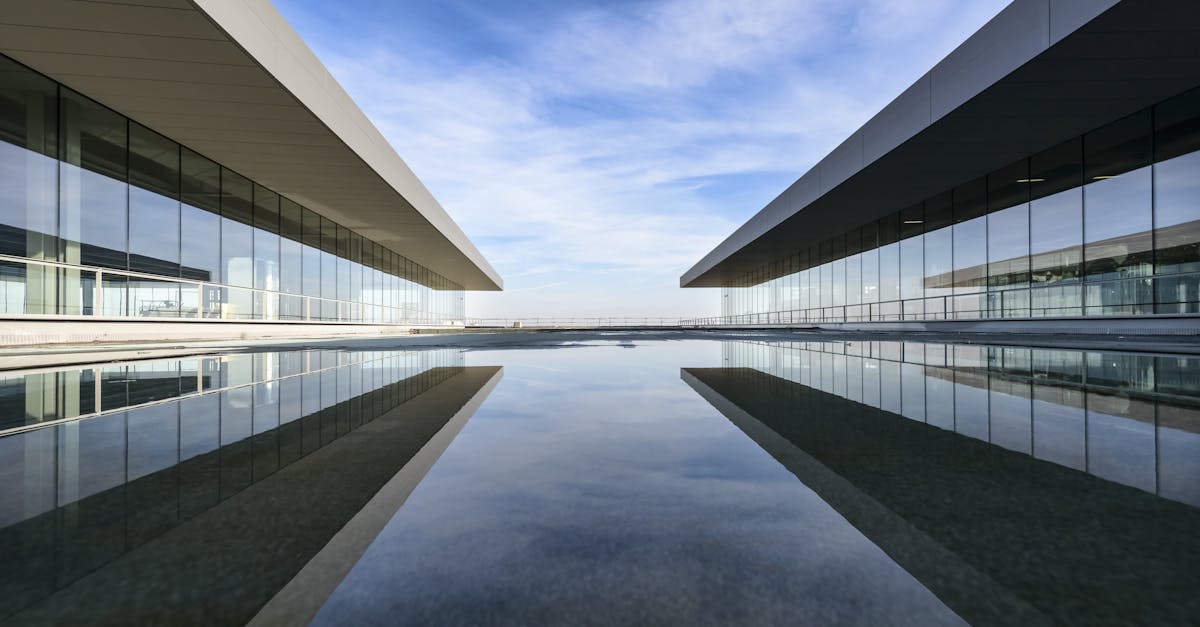
The fundamentals of architecture adapted to the needs of dependent people in 2025
The design of senior living facilities must be based on strong principles, integrating ergonomics, safety, and user-friendliness. Several elements structure this new approach, aimed at promoting independence while preventing isolation and accidents. By mobilizing advanced technologies (home automation, motion sensors, voice assistance devices), spaces constantly adapt to the evolving needs of residents.
Local authorities and developers such as Ovelia and Réseau BTP are committed to this approach by favoring architecture focused on several key issues:
- 🌳 Integration of nature : sensory gardens, accessible and secure outdoor spaces;
- 🏘️ Flexibility of spaces : modular housing close to the resident, allowing for personalization;
- 🔒 Enhanced security : smooth circulation, clear signage, fall protection systems;
- 👥 Community space : spaces dedicated to shared activities, promoting cohesion; 🌎
- Environmental sustainability: bio-sourced materials, optimal energy management; This model prioritizes conviviality and individual freedom while ensuring a reassuring environment, facilitating the coordination of care and daily life. Key elements
Description
| Concrete example | Inclusive architecture | Spaces designed for everyone, particularly for people with reduced mobility |
|---|---|---|
| Residences like Les Girandières adapt all spaces | Integrated technologies | Automated systems for security and daily management |
| Fall detection sensors, smart home automation | Outdoor spaces | Gardens, secure terraces, accessible paths |
| Indoor park designed by Clinea to encourage walking and relaxation | Environmental design | Ecological materials, natural lighting |
| Use of certified wood and integrated solar panels | Encouraging Resident Participation: The Key to Dependent Living in 2025 | Successfully transforming living spaces for dependent people depends above all on their ability to be designed as spaces for participation and empowerment. In 2025, integrating residents’ voices into the design and management of their environment will become a top priority. Initiatives such as those led by Orpea and Silver Habitat are showing the way forward by promoting co-creation and collective ownership of spaces. |
Various levers are being used to encourage this dynamic:
🗣️
Participatory Workshops
- : allowing users and families to express their specific expectations and needs; 🖥️ Interactive Technologies
- : applications allowing residents to give their feedback in real time; 🎨 Custom-made Designs
- : modular furniture, collaborative murals; 🤝 Regular meetings
- : exchanges between healthcare staff, residents, and families; 🌟 Empowerment of abilities
- : art workshops, shared gardens, and group activities. This co-design process helps strengthen a sense of belonging, reduce loneliness, and promote a culture of respect and dignity. The active participation of all parties creates a true “living together” that transcends the simple provision of care. Discover the fascinating world of architecture, combining creativity and functionality. Explore the styles, trends, and innovations that shape our urban landscapes and living spaces.
Technological innovations for dependent living in 2025: between assistance and autonomy
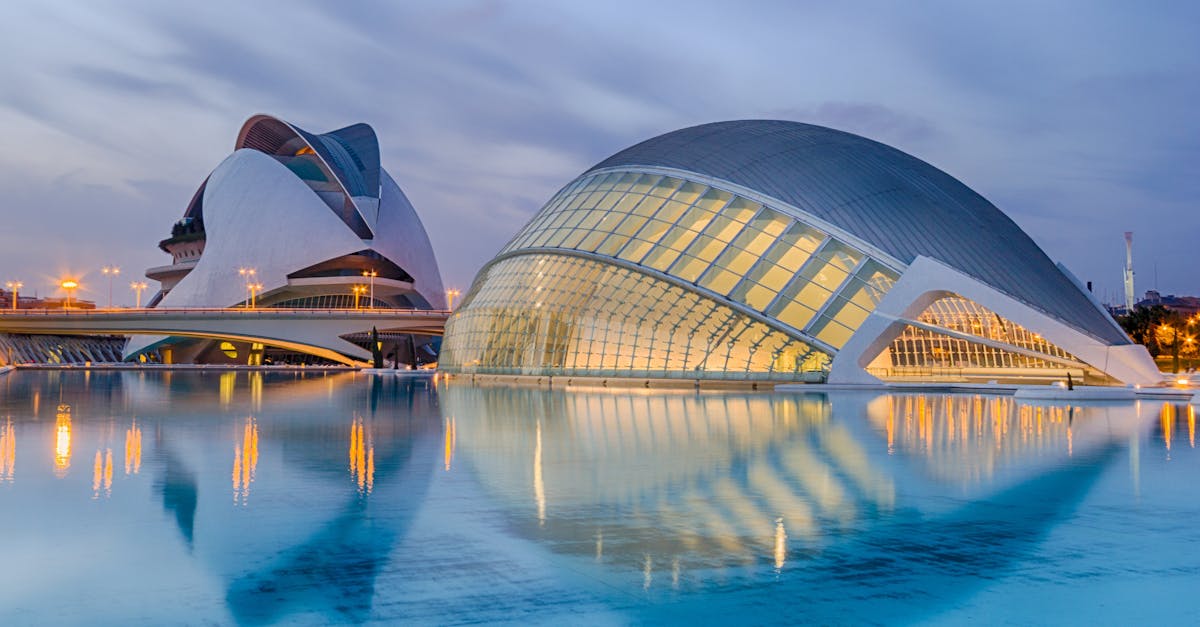
Stakeholders such as Korian and Clinea are experimenting with innovative solutions:
🧠
Voice assistants and dedicated robots
- : support for taking medication or managing routines; 🔦 Adaptive lighting
- : light calibrated to respect the circadian rhythm; 🚶♂️ Assisted mobility systems
- : connected wheelchairs, movement sensors; 🌐 Remote monitoring and communication
- : simplified access for family and professionals; ⚙️ Centralized Management: An integrated platform for coordinating care, nutrition, and activities. These tools appear to be the key to combining increased security, enhanced comfort, and maintaining independence. The convergence of technology and architecture must make these facilities spaces where each resident can continue to live with dignity and freedom.
- https://www.youtube.com/watch?v=L8Sje-9n-qI Modular Spaces: An Imperative for the Future of Assisted Living Facilities In 2025, the ability to quickly adapt spaces to residents’ changing needs is a priority. Modularity is no longer an option, but a requirement to ensure flexible and sustainable design. The ability to reconfigure a senior’s living space following changes in their physical or cognitive abilities directly impacts their quality of life.
Innovative solutions are based on several concepts:
Movable Compartments
: modular furniture and partitions, allowing the configuration of the rooms to be easily modified;
🏨
- Multi-use space : areas that can be transformed into activity, rest or treatment rooms; 🔄
- Adaptable equipment : adjustable beds, armchairs, kitchens and bathrooms; 🏢
- Universal design : integration of standard equipment to facilitate management and reorganization; 🌱
- Exterior extensions : temporary or permanent additions to accommodate activities or family gatherings. Such flexibility ensures better flow management and a stimulating environment, while allowing each resident to remain in control of their living environment. Modularity also promotes long-term cost reduction, avoiding the need for new construction or systematic renovations.
- Features Benefits Example of innovation
Flexible furniture
| Facilitates rapid reconfiguration of spaces | Removable partition systems | Adaptable space |
|---|---|---|
| Meets the evolving needs of residents | Rooms with convertible furniture | Modular construction |
| Allows quick extensions or modifications | Ecological prefabricated structures | Multipurpose areas |
| Optimizes the use of each space | Multifunction rooms equipped for multiple uses | An inclusive society, gathered around an architecture where we feel at home in 2025 |
| For the living spaces advocated in 2025 to be truly meaningful, their design must be based on an inclusive vision, promoting social bonds and the active participation of all, regardless of abilities. Dependency should not transform these spaces into isolated enclaves, but into places for intergenerational meetings, interclubs, and cultural exchanges. | Social cohesion finds a major ally in architecture, embodied by models such as Orpea and Clinea, which offer integrated neighborhoods combining residential, activities, and shared services. The diversity of uses and the creation of shared spaces strengthen the sense of belonging and prevent isolation. | Among the fundamental elements contributing to this inclusive society: |
🌐
Multi-age environment
: spaces designed to welcome young people, families, and seniors;
🏢
- Universal design : easy access, adapted signage, equipment facilitating independence; 🤝
- Sharing experiences : shared gardens, artistic and sports workshops; 🎭
- Dense cultural life : events, conferences, theater; 🌍
- Proximity and mobility : integration into dynamic neighborhoods, served by public transportation. The goal is to avoid physical or psychological isolation by building an environment where everyone, regardless of age or ability, can find their place. The growth of projects like Silver Habitat, or even intergenerational residences like those designed by Domitys, reflects this desire for enriched and harmonious coexistence. Discover the fascinating world of architecture, an art that combines creativity and functionality. Explore the styles, techniques, and innovations that shape our living spaces and redefine our environment.
- Environmental and sustainable challenges in the design of living spaces for dependent people in 2025 Considering environmental issues is essential for the future of assisted living. By 2025, simplicity and sustainability will be an integral part of responsible architecture, capable of limiting the ecological footprint while providing an optimal quality of life. Low-energy buildings, incorporating bio-sourced materials, are becoming the norm. HQE or BREEAM certification is a guarantee of virtuous design. Innovations in green building are being deployed across several areas:
🌱

: wood, hemp, recycled materials;
🔆
Energy efficiency
- : solar panels, omnidirectional insulation, rainwater harvesting; 🌬️ Waste management
- : composting, integrated recycling channels; 🌬️ Indoor air quality
- : natural ventilation, integrated purification; 🌿 Landscape integration: permaculture gardens, green roofs. Sector players, particularly those in the network such as Afer and Silver Habitat, exemplify this new global trend, combining comfort and respect for the planet. Creating ecological, sustainable, and resilient living spaces has become an imperative to ensure a harmonious future for current and future generations.
- Environmental criteria Impact Concrete examples
- Use of bio-sourced materials Reducing the carbon footprint Construction with certified wood
Renewable energy
| Energy autonomy, cost reduction | Integrated solar panels | Sustainable water management |
|---|---|---|
| Protecting water resources | Rainwater harvesting | Harvesting nature |
| Improving climate comfort | Landscapes, green roofs | The transformation of society: how architecture can shape a society for all in 2025 |
| More than just a relationship between housing and its occupants, architecture must become an active vector of inclusion, equity, and social cohesion. The society of 2025 must welcome its dependents not as a burden, but as a collective asset. The design of its living spaces must anticipate demographic, sensory, and cultural challenges, based on a humane and sustainable vision. | Exemplary initiatives, such as those led by CRR or Habitat Inclusif, illustrate this shift by offering modular, accessible spaces that encourage residents’ participation in local life. The creation of intercultural architecture, integrating diversity of origins and abilities, contributes to the emergence of respectful coexistence, free from exclusion and mistrust. | The major challenges facing society in 2025 include: |
| 🌐 | Digital inclusion: easier access to connected tools in all living spaces; 🤝 | Participatory design |
: giving residents a voice in the architectural project;
👵👴
Valorization of knowledge
: spaces dedicated to intergenerational exchanges;
- 📚 Lifelong learning : independent living training workshops;
- 🌍 Collective ecological commitment : sustainable neighborhoods integrating all generations.
- Ultimately, modern architecture must reflect a more inclusive society, where everyone, regardless of age or disability, finds their place. Looking ahead to 2025, we must radically rethink spaces, as innovative organizations such as Clinea and Orpea are already doing, to build a more supportive society that respects human diversity. FAQ: Essential questions about the architectural evolution of living spaces for dependent people in 2025 What are the fundamental criteria for designing a facility suitable for dependent people?
- Safety, conviviality, universal accessibility, and respect for autonomy are essential. Integrating nature and innovative technologies also promotes well-being. How can architecture reduce resident isolation in 2025? By creating welcoming community spaces, integrating intergenerational activities, and facilitating citizen participation in the design and running of spaces.
- What are the environmental issues related to the construction of housing for dependent people? Reducing the carbon footprint, the sustainable use of materials, and efficient energy and water management are essential for sustainable and resilient housing. Can new technologies truly support the autonomy of dependent elderly people?
Absolutely. Devices such as home automation, assistance robots, and remote monitoring can enhance their safety and autonomy in a reassuring environment. How does participatory architecture influence quality of life?
By giving residents a voice, it allows for the adaptation of spaces to their needs, strengthening their sense of belonging and dignity while promoting community life.
Découvrez notre guide complet — destinations, budget, visa, faune et conseils pratiques pour préparer votre voyage.

📖 Vous aimerez aussi

Transition à Madagascar : la société civile et la Génération Z face aux doutes sur le « Programme de la Refondation »
3 March 2026
Fermeture de l’aéroport de Dubaï : chaos et désarroi chez les voyageurs bloqués
2 March 2026


