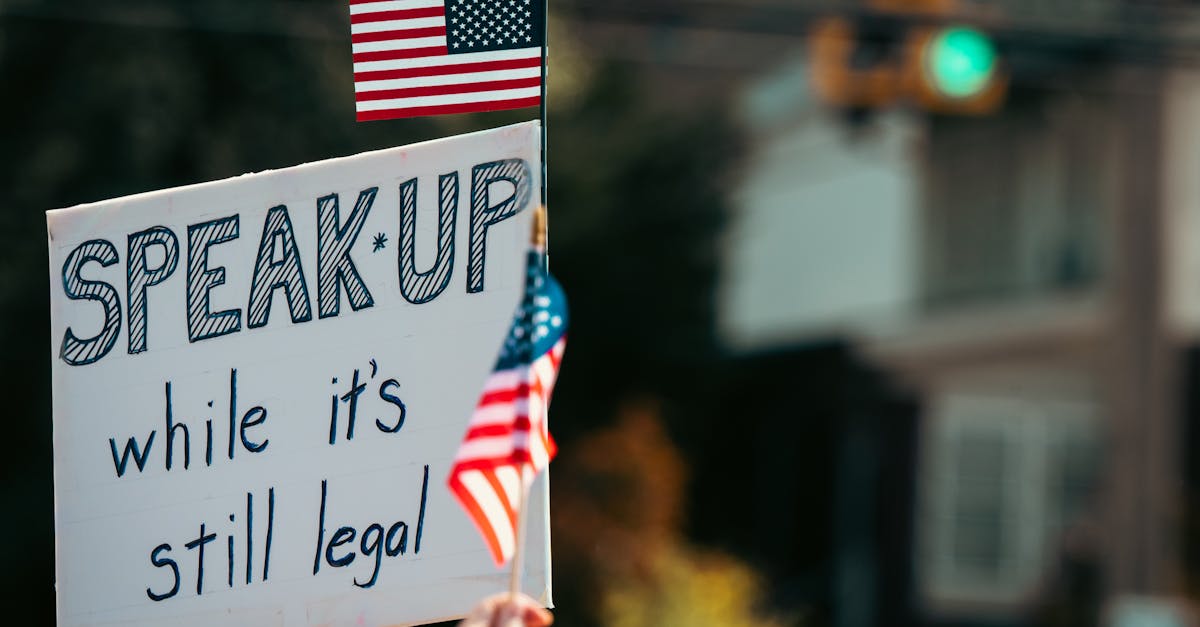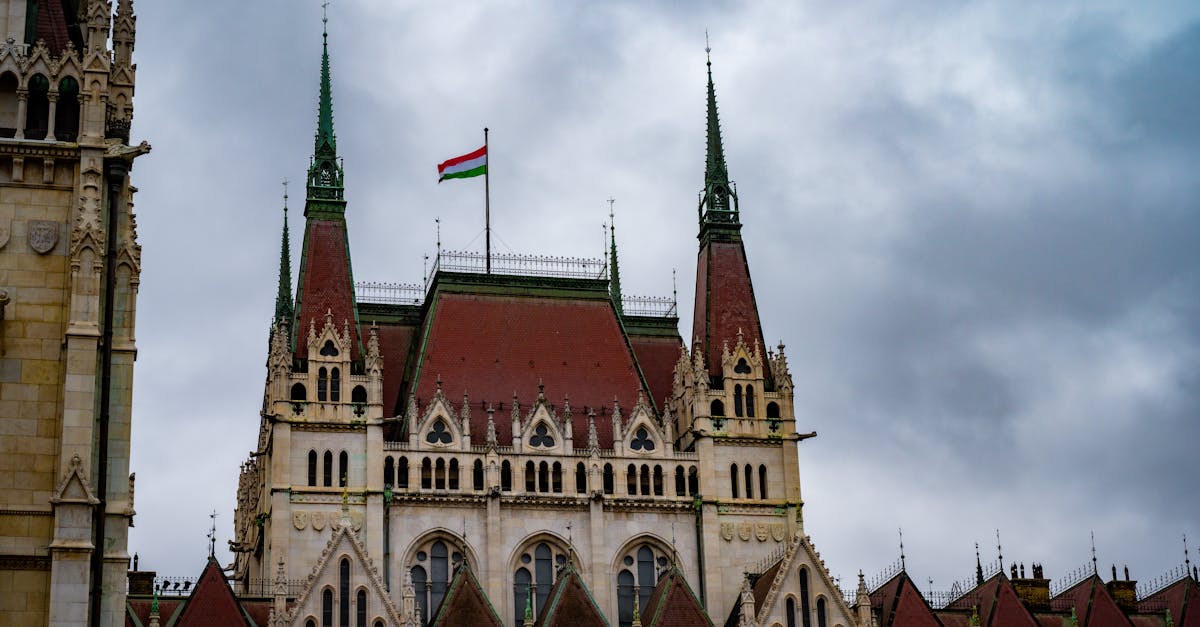

The global political context in 2026 is at a critical juncture, where palpable tensions foreshadow a potentially destabilizing sociopolitical storm. Crises—economic, social, and diplomatic—are accumulating, fueling a climate of mistrust and deep discord between governments, opposition, and citizens. Instability is taking hold everywhere, a contagious phenomenon illustrated by a series of conflicts and protests whose outcome remains uncertain. The rise in tensions is manifested in virulent rhetoric, increased polarization, and a propensity to resort to extreme measures to make oneself heard. This context calls for heightened vigilance regarding the escalating crisis, which, if not managed with discernment, could degenerate into a major political storm. The convergence of these elements reveals a growing fragility in the democratic fabric, necessitating collective mobilization to prevent the protest movement from spiraling out of control.
This climate of uncertainty is exacerbated by the proliferation of contentious debates in the public sphere. Far from being a simple clash of ideas, these confrontations are taking on an increasingly violent, even threatening, turn, affecting the very stability of institutions. Faced with these popular demands, often fueled by frustrations accumulated over the years, the powers that be must confront a challenge to their legitimacy. The political crisis is also manifested in the way political actors manage these tensions, sometimes resorting to repressive strategies, which only fans the flames. In this regard, recent history offers numerous examples where the use of violence, or unjustified repression, has aggravated the situation, transforming legitimate protest into an open crisis. The emerging situation demands a capacity for listening and adaptation to defuse the brewing storm; otherwise, it risks erupting into widespread chaos.
It is crucial to understand that these tensions stem from a series of deep-seated dysfunctions within contemporary governments and societies. The rise of populism, the economic crisis, diplomatic conflicts, and social inequalities create fertile ground for the emergence of radical demands. Deprived of effective institutional recourse, the population turns to more radical, sometimes violent, forms of protest, reflecting a profound distrust of the system. The crisis of democratic models, particularly in several regions of the world, such as Latin America, Asia, and Africa, demonstrates the need to rethink governance mechanisms in order to preserve stability. The need for a thorough reform of how institutions unite the majority, while respecting the legitimacy of the opposition, appears urgently necessary to prevent an imminent explosion. The question remains: can genuine dialogue be reborn amidst this turmoil?

Discover the latest news and analysis on the political upheavals and conflicts shaking the global landscape.
Factors fueling the storm: growing tensions between political actors and citizens

Furthermore, the diplomatic crisis and the rise in conflicts between nations and regional blocs exacerbate this instability. Diplomacy, often incapable of defusing these crises, gives way to a proliferation of confrontations that risk escalating. Faced with these challenges, the often weakened political opposition attempts to launch offensives to capture citizens’ attention. The struggle for power then becomes a race against time, in a context where every weakness in the regime can pave the way for massive protests. The difficulty lies in managing these intertwined crises, where every potential escalation must be anticipated and contained. Leaders must exercise caution to prevent these tensions from escalating and the crisis from spiraling out of control.
Discover the latest news and analysis on the current political storm, its major issues, and its impact on society.
The role of social media in the rise of political instability.
| Social media now plays a crucial role in the spread of tensions and citizen mobilization. In just a few years, these platforms have transformed the relationship between governments, the opposition, and citizens. The virality of content, often imbued with emotion, facilitates the rapid dissemination of protest messages, even radicalized ones. Facebook, for example, has become a space for expression where spontaneous or organized actions are sometimes coordinated, with calls for mass mobilization. | This phenomenon, however, raises questions about political stability. The ease with which information circulates also leads to the spread of fake news and extremist rhetoric. Some movements, like Gen Z in Madagascar, exploit this virality to build a power dynamic against the regime, which, for its part, tries to control the narrative. Managing this duality is delicate, because excessive censorship can further fuel protest, while laxity risks accompanying disinformation and chaos. Can this dynamic still be controlled without sacrificing freedom of expression? The answer remains uncertain, but vigilance is essential in the face of the proliferation of these forms of digital mobilization. | |
|---|---|---|
| The risks of open conflict in the face of the socio-political crisis | Given all these factors, the prospect of open conflict seems increasingly plausible. The divide between citizens and institutions, exacerbated by blatant social injustice, could precipitate an explosion. The possibility of a major crisis erupting means that each side—government, opposition, or citizens—must be prepared to bear the consequences. | |
| This social explosion could take the form of an insurrection or urban violence fueled by legitimate demands, but also by accumulated frustrations. Managing this crisis will then require a humane strategy, avoiding the escalation of violence. The international community could also intervene to temper this fury, but its credibility and capacity for action are often limited when faced with local crises of this magnitude. The challenge will be to avoid the vicious cycle where repression strengthens the protests, creating a cycle that is difficult to break in the short term. | Crisis Factors ⚠️ | |
| Potential Impacts 🚨 | Possible Solutions 💡 | Economic and Social Disparities |
Urban Violence, Riots
Social Reforms, Inclusive Dialogue
Corruption and Poor Governance
Loss of Institutional Credibility
Strengthening Transparency
Escalating Diplomatic Tensions

The Need for Commitment to Defuse the Storm
In this context of extreme tension, the challenge is not only to contain the storm, but above all to establish genuine social and political dialogue. Defusing this crisis requires a collective will to rebuild mutual trust, abandoning confrontational strategies in favor of compromise. Institutional reform, social justice, and transparency must become the priority areas for regaining legitimacy and calming tensions.
It is imperative that all actors, including civil society, fully recognize their responsibility in this crisis. Citizen mobilization around a common project could halt the spiral of violence. Sincere communication, acknowledgment of mistakes, and a willingness to change are essential to prevent the storm from becoming an uncontrollable tempest. The international community also has a role to play in this process, by supporting stability and encouraging transparency in crisis management. The question is: how far are leaders prepared to go to preserve social peace?
Lessons from the past to prevent the outbreak of conflict
Previous global crises have shown that rapid intervention and the ability to listen are crucial for defusing crisis situations. A delayed or inappropriate response, as seen in some episodes in Europe and Latin America, has often led to an irreversible escalation of conflict. The need for a sincere and inclusive dialogue, capable of addressing economic, social, and political challenges, appears even more crucial in 2026.
Governments must learn from these experiences to establish effective preventative mechanisms, particularly through mediation, improved citizen representation in decision-making processes, and increased transparency. Managing this crisis could also rely on better communication to reassure the public and preserve national cohesion in the face of a storm that threatens to engulf everything. The question remains: how can we structure a constructive dialogue capable of transcending differences and cementing lasting stability?
https://www.youtube.com/watch?v=CmxvvhHrUvk
Discover the latest news and analysis on the political storm shaking the national landscape. Follow the debates, issues, and impacts through our in-depth articles.
Frequently Asked Questions (FAQ)
Découvrez notre guide complet — destinations, budget, visa, faune et conseils pratiques pour préparer votre voyage.

📖 Vous aimerez aussi
Transition à Madagascar : la société civile et la Génération Z face aux doutes sur le « Programme de la Refondation »
3 March 2026
Fermeture de l’aéroport de Dubaï : chaos et désarroi chez les voyageurs bloqués
2 March 2026