
For several months, Madagascar has been suffering from an increasingly acute energy crisis, illustrating the chronic inability of public services to meet the basic needs of its population. Water and electricity cuts, which have become almost daily occurrences in several major cities, are fueling a deep sense of abandonment and frustration among citizens. The mobilization planned for this Thursday reflects a collective desire to voice an urgent need that transcends mere discontent, becoming a cry of conscience in the face of chronic government failure. In a context marked by growing insecurity, these demonstrations take on their full meaning: they embody a social protest that is both concrete and symbolic, a matter of survival for the population and a question of responsibility for those who claim to manage public services. The proliferation of calls on social media, accompanied by work stoppages and gatherings in several major cities, reveals a growing collective awareness, but also an urgent need for national unity to demand lasting solutions to a situation that has become untenable. These protests, deeply rooted in everyday reality, outline the contours of a citizens’ movement that refuses to yield to negligence, while emphasizing the need for collective action to overcome this crisis. The gravity of the situation is moving, but it also prompts reflection on political responsibility and the urgent need for structural reforms to ensure the effective and transparent management of essential resources.

The root causes of the energy crisis in Madagascar
Several factors explain the worsening energy crisis currently gripping Madagascar. One of the major elements lies in a failing infrastructure that has not kept pace with the country’s demographic and economic growth. The JIRAMA power plant, the main electricity supplier, suffers from obsolescence, a lack of investment, and frequently criticized management. Low production capacity, coupled with an aging fleet of facilities, leads to recurring power outages, severely impacting daily life. According to recent studies, the country’s electricity production capacity barely covers 60% of national demand, forcing outages that can last an entire day in some regions. Challenges related to access to renewable and non-renewable energy resources also play a crucial role. Insufficient investment in these sectors has hindered the diversification of energy sources, exacerbating dependence on costly imports, particularly fuel for thermal power plants. The mismanagement of water resources, abundant in several regions, is another contributing factor, particularly due to deforestation and the degradation of watersheds, which limit hydroelectric power production.
Beyond the technical aspects, the crisis is also fueled by political and economic problems. Poor governance, a lack of transparency in public finance management, and embezzlement have further weakened this energy infrastructure, preventing any structural reforms that could extricate the country from this predicament. Dependence on international financing, often contingent on lengthy and difficult reforms, is particularly hindering the acceleration of investment in this crucial sector.
The Social Impacts of Recurring Power Cuts on the Malagasy Population
The effects of water and electricity cuts are not limited to daily inconveniences: they lead to a significant deterioration in the quality of life. Whether in the health, education, or economic sectors, these shortages complicate citizens’ lives, fueling a cycle of poverty and isolation. In hospitals, for example, the unreliable power supply jeopardizes the stability of vital medical equipment, particularly in rural areas where infrastructure is already fragile.
In the field of education, the electricity shortage severely limits access to digital educational resources, essential for young people facing an education system in crisis. For example, in the capital, Antananarivo, several public schools have had to suspend classes or limit their activities, exacerbating the existing learning gap in the country’s education system.

Discover everything about the protests: their causes, forms, and impact on our current society.
Thursday protests: a symbol of citizen protest in Madagascar.
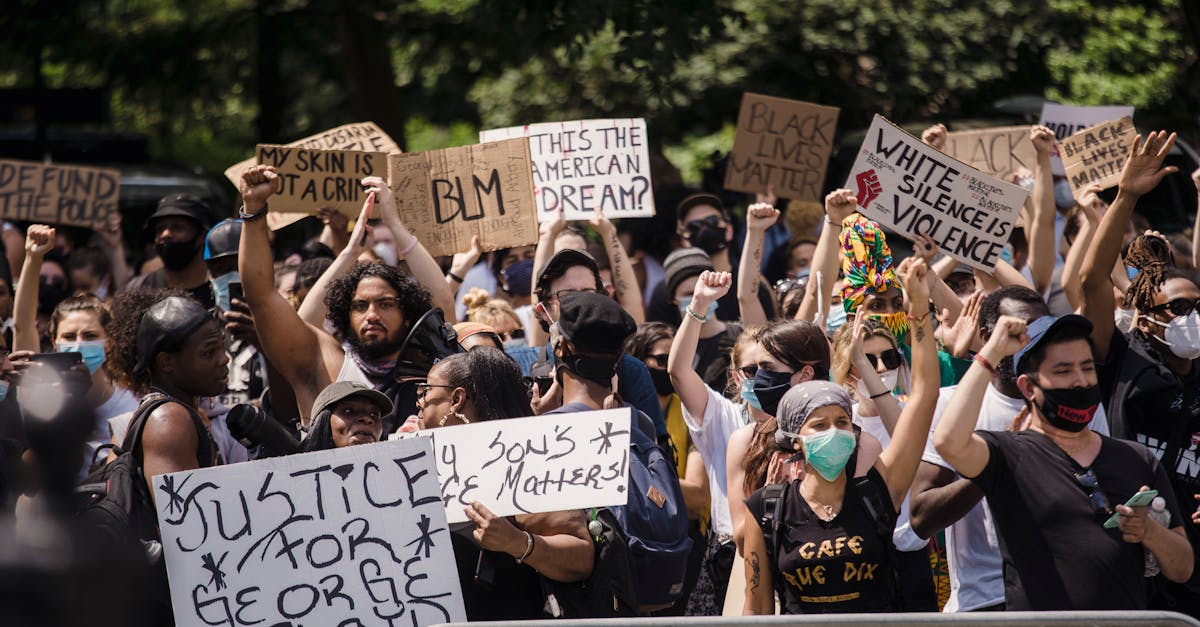
The calls for mobilization this Thursday reflect the growing desire of citizens to take control of their own destiny in the face of failing public services. In several major cities, such as Antananarivo, Toamasina, and Fianarantsoa, gatherings organized by community groups, students, and unions converged on a single objective: to denounce the water and electricity cuts that disrupt daily life.
The organizers emphasized the importance of peaceful and responsible participation to avoid chaos, while stressing that these demonstrations represent a crucial step in raising awareness and putting pressure on the government. In Antananarivo, the capital, the demonstration began at dawn, with a large turnout that quickly paralyzed part of the city center. The police presence is significant, but the majority of participants remain peaceful, holding signs and chanting slogans like “Ahia tsy mety, mangina no kendrena” (The problem isn’t electricity, it’s our right).
This protest movement is not isolated but part of a national trend. Similar gatherings have been reported in other key cities, such as Antsirabe and Mahajanga, illustrating widespread public discontent. For some observers, this mobilization could mark a turning point, prompting the government to act to resolve the crisis and restore citizens’ trust in public services.
| The stakes for the government and social stability in Madagascar | The government faces a series of major challenges given the rise in public anger. Managing the energy crisis can no longer be delayed, as it threatens social stability in the medium and long term. Governing a country where the majority of the population lives in precarious conditions requires the ability to respond effectively to these legitimate expectations, otherwise social unrest will escalate as tensions rise. | |
|---|---|---|
| The authorities, particularly the Ministry of Transport and the Minister of Energy, are under pressure to develop emergency plans. However, the complexity of the issues, combining financial management, political considerations, and technical challenges, necessitates the implementation of lasting structural reforms. When a population mobilizes around a simple yet fundamental principle, such as access to water or electricity, it underscores a serious failure in institutional functioning. The crisis also benefits certain political actors who are attempting to exploit it, fueling a climate of mistrust and discord. | Factor | |
| Impact | Potential Solutions | Outdated Infrastructure |
| 🔴 Recurring Shortages, Unexpected Power Outages | 🔧 Modernizing Power Plants, Investing in the Grid | Mismanagement |
🔴 Loss of Trust, Financial Misappropriation

Lack of Investment
🔴 Insufficient Capacity, Increased Dependence on Imports 🔧 International Financing, Sustainable Partnerships The government’s strategic choices will have a direct impact on public opinion. Trust is restored through honest and effective crisis management, but above all through a commitment to ending chronic dependence on external financing or temporary solutions. Madagascar’s stability will depend largely on its ability to respond quickly and sustainably to these crucial challenges.
Discover everything about demonstrations and protest movements: causes, impacts, and news.
Citizen initiatives: a hope for more transparent and responsible governance
Faced with the apparent inaction and ineffectiveness of the authorities, numerous associations and citizen movements have organized to exert constructive pressure. These actors play a key role in disseminating information and in vigilant mobilization, denouncing corruption, demanding transparency, and calling for participatory governance. The Fatshi Metrie platform recently highlighted the importance of this citizen involvement in changing political and administrative practices.
Furthermore, numerous online petitions and awareness campaigns have been launched to demand concrete measures from the government. Civil society insists that mobilization should not be limited to a single day of protest, but should be part of a dynamic of profound change. On the ground, these initiatives also contribute to strengthening the sense of belonging and collective responsibility by more broadly involving the population in rebuilding a shared vision. https://www.youtube.com/watch?v=eGZzwaf6WLo
Potential Solutions to Overcome Madagascar’s Energy Crisis
Several credible avenues exist to effectively meet Madagascar’s energy needs. Diversifying energy sources, particularly through the development of solar power, offers an environmentally friendly and cost-effective solution. By harnessing the abundant solar potential in the region, Madagascar could reduce its dependence on expensive and polluting fossil fuels.
Another important lever lies in modernizing the electricity grid. Replacing or upgrading existing infrastructure, with the installation of smart grids, would optimize distribution and reduce losses. Several international projects, such as the program launched by the World Bank, are attempting to support this approach, particularly in rural areas where access remains limited.
Finally, strengthened governance, with transparent management and accountability, must accompany these technical efforts. Constructive dialogue between the government, economic actors, and civil society is essential to developing a coherent action plan that unites all stakeholders around a common project aimed at guaranteeing equitable access to water and electricity.
Future prospects and the impact of mass mobilization
Massive popular mobilization could constitute a turning point for Madagascar. It would likely force the government to accelerate its reforms and engage in serious dialogue with citizens, integrating public service issues into a broader dynamic of participatory governance. Social pressure, if it remains peaceful and constructive, could lead to significant investments in the modernization of the energy sector and in the management of natural resources.
Furthermore, this mobilization could encourage international awareness of Madagascar’s critical situation. External support, whether financial or technical, could be strengthened given the need for profound change, particularly in the management of severe crises. Recent history shows that such citizen movements have often been the driving force behind major reforms, creating a new dynamic and uniting all stakeholders around a common goal.
https://www.youtube.com/watch?v=VwcRBW6osgM
Security Challenges and Repression in the Face of Rising Protests
If popular anger continues to intensify, the risks of tensions or even clashes cannot be entirely ruled out. Some authorities are tending to increase repression, notably through police or military interventions during demonstrations. The recent wave of violence, which occurred in several neighborhoods and unfortunately claimed the lives of some young protesters, is both alarming and destabilizing for the country. It is crucial that law enforcement adopt a responsible stance and that a sincere dialogue be established. Repression must never become the sole response to a protest that goes beyond simple discontent and challenges popular sovereignty. The international community, particularly through organizations such as the UN or the African Union, could intervene to encourage a peaceful and transparent management of the crisis, thus preventing an escalation that could have disastrous consequences for Madagascar.
How can we explain the energy crisis in Madagascar in 2026?
It stems from a combination of factors, including outdated infrastructure, poor management, insufficient investment, and political issues, which together limit the country’s ability to effectively meet the needs of its population.
What are the main social impacts of the water and electricity cuts?
The consequences affect all sectors, from health and education to the economy, leading to a decline in the quality of life, increased poverty, and heightened social isolation.
How can the Thursday mobilization change the situation?
A massive mobilization can put pressure on the government to accelerate reforms, strengthening governance and the management of public services, provided it remains peaceful and organized. What solutions exist to pull Madagascar out of this crisis?
🔗 Sources & références
Pour aller plus loin, consultez les sources citées dans cet article :
Découvrez notre guide complet — destinations, budget, visa, faune et conseils pratiques pour préparer votre voyage.

📖 Vous aimerez aussi
Transition à Madagascar : la société civile et la Génération Z face aux doutes sur le « Programme de la Refondation »
3 March 2026
Fermeture de l’aéroport de Dubaï : chaos et désarroi chez les voyageurs bloqués
2 March 2026