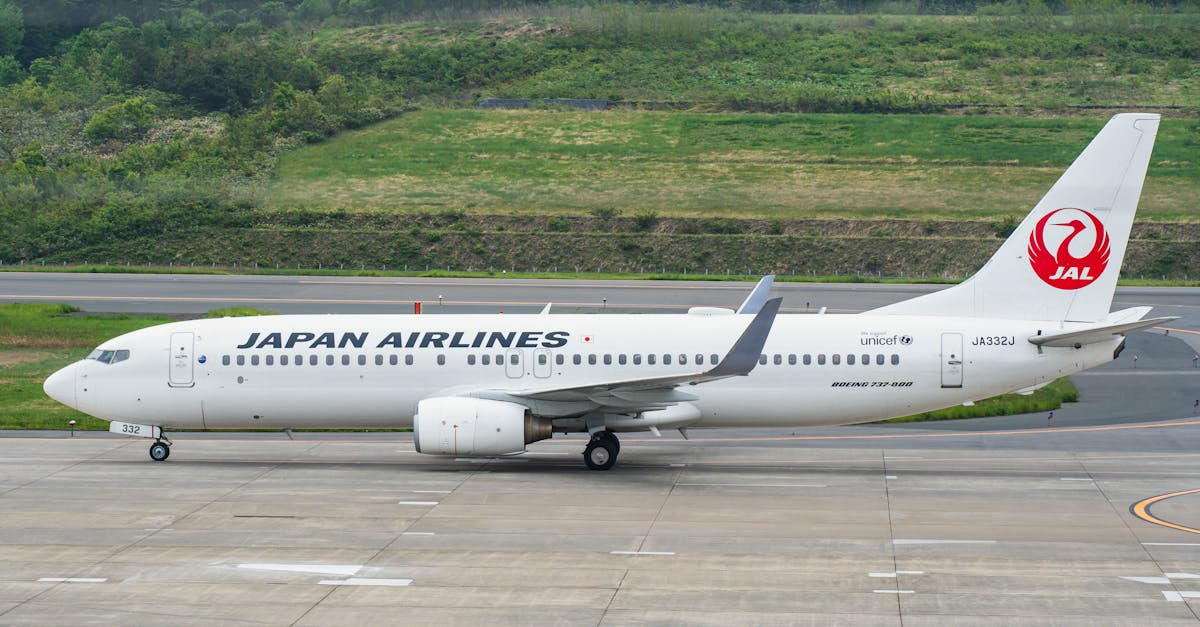

In a context where air transport plays a crucial role in boosting regional and international trade, the air collaboration between Corsair and Madagascar Airlines represents a major step towards improved connectivity between the island of Madagascar and Reunion Island, and subsequently to the rest of Europe. By 2026, this air alliance embodies more than just a commercial partnership: it represents a concerted strategy to meet the growing demand for efficient and seamless travel. The establishment of this air route, linking Antananarivo to Saint-Denis, demonstrates a strong commitment to uniting all stakeholders in the sector to address market challenges, particularly in terms of accessibility, operational efficiency, and tourism development.
This strengthening of commercial and tourism ties is based on codeshare agreements, scheduled flights, and strategic coordination that simplifies the experience for both passengers and operators. The Antananarivo–Saint-Denis route is not just an air route, but a true link between two rapidly growing regions, with the long-term ambition of extending this cooperation to other key destinations. The precarious state of some regional transport networks, combined with the opportunities offered by the post-pandemic economic recovery, further underscores the need for a strengthened alliance capable of adopting a long-term vision to overcome crises and harness regional potential. Air travel collaboration, mobilizing innovation and collective commitment, is thus seen as a strategic pillar to support the ambition of sustainable development and regional integration.

Discover the advantages of airline partnerships to offer more destinations, enhanced services, and optimized travel experiences.
The launch of this new air link between Antananarivo and Saint-Denis is part of a broader strategy to diversify the tourism and economic offerings. The geopolitical and economic situation on the African continent requires these airlines to rethink their strategies to continue meeting ever-evolving demand. The Antananarivo–Saint-Denis route, now operated in partnership, illustrates the need for strong cooperation capable of ensuring reliable and competitive service continuity. From a strategic perspective, this alliance goes beyond simply increasing the number of flights; it also envisions joint resource management, the sharing of expertise, and the pooling of infrastructure to reduce operating costs and improve service quality.
This partnership also reflects a growing awareness of the need to broaden the discussion regarding the opening of new air routes in the region, which offer ever-increasing potential in terms of volume and added value. The establishment of such a seamless network leads to market fragmentation and fosters cooperation between local and international players. By 2026, this initiative could also encourage other strategic alliances which, fueled by the growth of business and leisure tourism, will create a virtuous cycle of investment and innovation. The development of this air route is emerging as a driver of expansion, also sending strong messages about regional sovereignty in the face of the congestion and unreliability of maritime transport, often considered slow and expensive.

Discover how partnerships between airlines enhance the travel experience through shared services, joint loyalty programs, and expanded coverage.
The economic implications of such air travel collaboration are numerous and directly impact regional development. The creation of this Antananarivo–Saint-Denis route not only boosts tourism but also fosters trade, particularly in the minerals, agriculture, and technology sectors. The simplified booking process, linked to codeshare agreements, helps reduce delays and increase the competitiveness of regional products on the international market.
| Beyond the economic aspect, this alliance contributes to the modernization of the airline sector in the region by introducing innovative management, operational, and customer service methods. The connection between Madagascar and Reunion Island also offers opportunities for social development by facilitating the mobility of students, professionals, and families. The presence of two flights per week, concentrated at the beginning and end of the week, reflects a strategy of enhanced accessibility, designed to encourage sustainable and responsible tourism. | Criteria | |
|---|---|---|
| Impact | Future Prospects | Flight Frequency |
| 🚀 Two weekly flights, promoting flexibility | 🌍 Potential increase in the medium termResource Sharing | 🔧 Cost Reduction |
| 1 | ⚙️ Increased strategic optimization | Regional connectivity |
🌐 Facilitation of economic and cultural exchanges
🚧 Development of new routes
What are the main ambitions of this air alliance?
It aims to strengthen regional connectivity, reduce costs, and foster tourism and economic growth in Madagascar and Réunion, while standardizing service quality.
How does this air route impact local economic development?
It facilitates trade, supports the tourism sector, and enables greater mobility for professionals and students, thus contributing to regional growth.
What are the benefits for passengers?
Smoother booking, increased frequency, and the possibility of traveling with a single ticket, simplifying travel between Madagascar, Réunion, and beyond.
Challenges and opportunities related to the implementation of this regional air strategy
Establishing such an air route between Antananarivo and Saint-Denis involves addressing several challenges, particularly in terms of infrastructure, regulations, and operational management. The need to modernize airports, train qualified personnel, and harmonize safety standards represent significant obstacles to overcome to ensure optimal operation. The complexity of international code-sharing agreements, as well as the integration of IT systems, requires exemplary coordination between companies, authorities and financial partners.
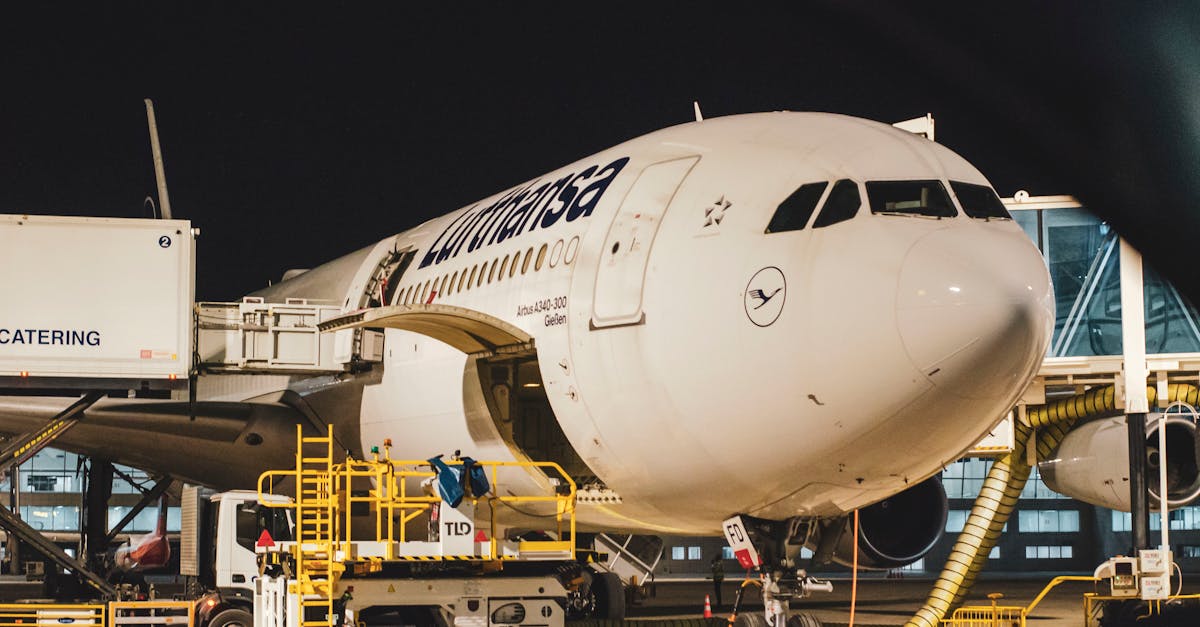
Technological innovations at the heart of the collaboration between Corsair and Madagascar Airlines
Integrating digital and technical innovations is key to ensuring the competitiveness and sustainability of this regional route. Fleet management optimized by intelligent systems, the digitalization of reservations and customer service, and the use of artificial intelligence for maintenance are among the main levers adopted to improve service quality.
The collaboration between these two airlines also fosters the exchange of best practices and the implementation of innovative solutions, such as eco-design, carbon footprint reduction, and the establishment of a unified passenger management system. The creation of shared platforms for booking and real-time flight tracking helps streamline the customer experience and reduce costs. By 2026, these technologies are expected to become essential standards for any regional carrier concerned with its competitiveness in the global market.
The prospects for sustainable and regional development through air partnerships Beyond economic considerations, this air cooperation also paves the way for sustainable development by prioritizing environmentally friendly transportation solutions. The integration of modern, fuel-efficient aircraft and the implementation of eco-responsible practices are part of a commitment to social and environmental responsibility.
🔗 Sources & références
Pour aller plus loin, consultez les sources citées dans cet article :
Découvrez notre guide complet — destinations, budget, visa, faune et conseils pratiques pour préparer votre voyage.

📖 Vous aimerez aussi

Transition à Madagascar : la société civile et la Génération Z face aux doutes sur le « Programme de la Refondation »
3 March 2026
Fermeture de l’aéroport de Dubaï : chaos et désarroi chez les voyageurs bloqués
2 March 2026