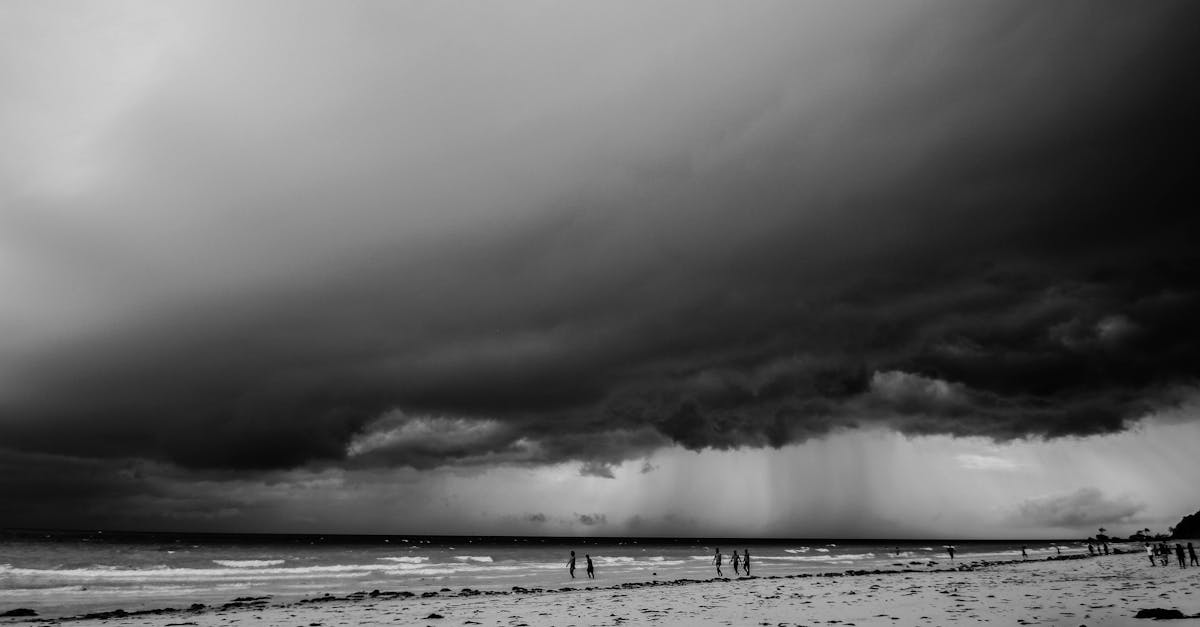
On Wednesday, February 11, 2026, Madagascar Airlines suspended all flights, a major decision highlighting the severity of the exceptional weather situation affecting the island. The decision, taken in response to the approach of Tropical Cyclone Gezani, demonstrates a heightened sense of responsibility in the face of a natural threat of unprecedented intensity in recent years. The storm, rapidly moving towards Madagascar’s east coast, is packing winds with average speeds of 166 km/h, potentially reaching up to 250 km/h during extreme gusts. This intensity, combined with expected record rainfall, justifies the implementation of a strict air safety protocol to prevent any tragedy or incident in flight. The national airline, in agreement with local safety and meteorological authorities, has therefore chosen to suspend air traffic, demonstrating the vigilance required by the circumstances, rather than a delayed and potentially risky reaction. These drastic measures reflect a preventative strategy aimed at preserving the lives of passengers and staff and ensuring that the cyclone’s impact remains confined to the affected geographical area. Indeed, Cyclone Gezani’s impact is not limited to the airspace; it also threatens to cause flooding and landslides in several districts, particularly in Toamasina, the country’s main port, essential for trade and the movement of goods. The situation therefore demands an unprecedented collective mobilization to address this major climate crisis. With this decision, Madagascar Airlines underscores its deep concern for safety, while illustrating the direct impact of extreme weather events on air transport—an adversity that all airlines will have to face. to confront with a strengthened resilience strategy. The cancellation of flights is not limited to a simple emergency measure: it signals a lasting change in the management of risks related to climate change and the increase in the frequency and intensity of cyclones in the Indo-Pacific region, a global challenge that actors in the aviation sector must absolutely address.

Extreme weather conditions are now dictating air safety in Madagascar.
For several years, climate change has had a tangible impact on the frequency and intensity of extreme weather events, and Madagascar is no exception. Tropical Storm Gezani, which approached the eastern coast, is a striking example of this phenomenon, fueling a crucial debate on managing the risks associated with extreme weather. The increasing intensity of cyclones like Gezani illustrates the need to rapidly adapt safety protocols in the air transport sector, particularly in high-risk areas like Madagascar. Madagascar Airlines, which provides a vital part of the national connectivity, must contend with increasingly unpredictable weather conditions, which complicate flight planning and demand greater responsiveness. Their mass cancellation is not a mere administrative measure, but an informed decision that demonstrates a firm commitment to preserving human life in the face of uncontrollable natural forces. In practice, this means constant monitoring of cyclone alerts, meticulous review of flight paths, and enhanced preparation of ground crews to avoid any errors that could have tragic consequences. Managing such events requires deep integration of weather forecasts into decision-making processes, as well as close collaboration between meteorologists, authorities, and airlines. The context of 2026 demonstrates that, more than ever, extreme weather is becoming a critical factor for aviation safety in the region. The question remains: how must the sector evolve to continue fulfilling its mission while remaining resilient to this new climate reality?

Information and updates on flight suspensions: causes, affected destinations, and travel advice.
The challenges of disrupting air traffic in the face of a major climate threat
When the weather unleashes its unpredictable fury, the decision to suspend all flights becomes an impersonal but essential necessity to ensure collective safety. In this context, Madagascar Airlines must balance economic obligations with safety imperatives. The suspension of all flights, announced earlier today, reflects the awareness that the consequences of failing to respond to a storm of this magnitude would be catastrophic. Logistically, this disruption to air traffic has immediate repercussions in several sectors, including passenger transport, the delivery of urgent goods, and the continuity of economic operations. Managing this crisis requires a clear communication plan aimed at minimizing confusion and reassuring travelers about the resumption of services once the danger has passed. Caution is advised, but it is crucial to understand that this prolonged suspension could have lasting repercussions, both economically and in terms of Madagascar Airlines’ image. Addressing these challenges requires meticulous planning, anticipating the duration of the storm and post-cyclone weather conditions, which often cause further complications such as flooding or infrastructure damage. Furthermore, this situation raises a broader issue: the need for an integrated framework between governments, airlines, and meteorological agencies to effectively address these extreme weather events, which are becoming increasingly common in the current global climate calendar.
Risk of rockfalls and landslides 🏔️
Closure of access to runways and parking areas to ensure safety.

Faced with the threat of Cyclone Gezani, Madagascar Airlines immediately activated its crisis management procedures. The complete suspension of flights should not be seen solely as a reactive measure, but also as a proactive step to preserve safety. The airline has an emergency plan in place that includes continuous monitoring of weather forecasts, regular communication with national authorities, and a risk management system. These measures allow for a rapid adaptation of operations as soon as a cyclone alert is issued and prevent any dangerous rush to resume flights. The strategy also relies on effective communication with passengers, who are encouraged to follow online updates, thus reducing their anxiety and maintaining transparency during this critical period. From a technical standpoint, Madagascar Airlines must also ensure rigorous checks of its aircraft, particularly the safety of navigation and communication systems, to prevent any incidents when resuming flights after the storm. Coordination with airport, meteorological, and emergency authorities is essential to guarantee an orderly resumption of air operations. These measures demonstrate a capacity for adaptation and enhanced resilience in the face of climate challenges, a model to be followed by the entire regional aviation sector in the face of increasing extreme weather events.
The long-term impacts of climate change on the aviation sector in Madagascar.
Extreme weather events, such as Cyclone Gezani, underscore the need to sustainably integrate climate risks into the strategic management of Malagasy air transport. For several years, the sector has had to rethink its infrastructure, protocols, and investments to address these challenges. The increased vulnerability of airports, particularly those located in coastal areas or at low altitudes, necessitates strengthening the resilience of facilities by investing in protections against erosion, rising sea levels, and flooding. Furthermore, the training of flight and ground staff must evolve to incorporate climate crisis management, especially regarding the accurate interpretation of weather forecasts and rapid decision-making. The transition to a more sustainable sector is also accompanied by an economic imperative, as the costs associated with cancellations and delays accumulate in the face of increasing extreme weather events. The climate crisis could also accelerate the adoption of more environmentally friendly technologies, such as low-emission aircraft, and initiatives to reduce energy consumption in ground operations. At the national level, this reform must be accompanied by a coherent regulatory framework, uniting all stakeholders around a common objective: ensuring the sustainability of Malagasy air transport in the face of increasing climate risks. Resilience must therefore become a strategic priority, otherwise the connectivity essential to the national economy will be compromised with each new cyclone warning.
https://www.youtube.com/watch?v=Lug9h6Vpng0 Government measures to anticipate and manage major cyclones in Madagascar
In response to the increasingly severe climate emergency in the region, the Malagasy government has strengthened its natural disaster warning and management systems. The implementation of an advanced cyclone warning system, combined with widespread awareness campaigns, is contributing to better preparedness for the population and economic activities, particularly the aviation sector. Authorities have also invested in improving critical infrastructure, such as airports and main roads, to mitigate the impact of extreme weather events. Collaboration between meteorological agencies, law enforcement, emergency services, and economic stakeholders has been strengthened to effectively coordinate interventions, limit damage, and ensure a rapid resumption of activities after storms. Revised contingency plans, regular drills, and awareness campaigns for airlines like Madagascar Airlines are all measures that strengthen national resilience to these phenomena. The understanding that this type of disaster is no longer an exception, but a likely occurrence, compels the State to invest resources in integrated preparedness, enabling it to mitigate the social and economic impact of increasingly intense extreme weather events.
What are the main dangers posed by Cyclone Gezani to Madagascar?
Cyclone Gezani, with its winds reaching 250 km/h and record rainfall, threatens not only air safety but also the lives of local populations, with risks of flooding, landslides, and infrastructure damage.
How does Madagascar Airlines ensure safety in the face of these extreme weather conditions?
The company is implementing rigorous crisis management, strengthening weather monitoring, aircraft checks, communication with authorities, and adapting its operational protocols to ensure an immediate and safe response.
What long-term strategies are there for the aviation sector in the face of climate change? Investments in infrastructure resilience, staff training, fleet modernization, and the development of sustainable technologies must be prioritized to guarantee business continuity despite the increase in extreme weather events.
🔗 Sources & références
Pour aller plus loin, consultez les sources citées dans cet article :
Découvrez notre guide complet — destinations, budget, visa, faune et conseils pratiques pour préparer votre voyage.

📖 Vous aimerez aussi

Transition à Madagascar : la société civile et la Génération Z face aux doutes sur le « Programme de la Refondation »
3 March 2026
Fermeture de l’aéroport de Dubaï : chaos et désarroi chez les voyageurs bloqués
2 March 2026