
The events that unfolded in Analakely, the beating heart of the capital Antananarivo, at the end of 2026, illustrate how quickly the political and security situation can deteriorate, fueling a climate of heightened social tension. The arrest of two political figures, representatives of the opposition, sent shockwaves throughout the city, reflecting a profound crisis of confidence between citizens and the authorities. These events occurred within a context already marked by growing dissatisfaction with the handling of the energy crisis, the use of street violence, and a heightened sense of impunity, thus exacerbating the divide between the state and the population. At the heart of this turmoil, the city of Analakely, known for its central role in Malagasy commercial and political affairs, became the stage for symbolic events that reflected the palpable tensions throughout the capital. These arrests, perceived by some as an attack on democracy, are fueling anger that threatens institutional stability. The collective reaction is not limited to simple protests; it highlights a widespread distrust of the security forces, accused of heavy-handed and sometimes arbitrary interventions. This situation is part of a broader phenomenon, where citizen protest is spreading throughout Madagascar, underscoring a growing imbalance between governance and popular aspirations.
The political and social context: between opposition and growing distrust
For several years, Madagascar has been going through a critical period, characterized by chronic political instability and a significant deterioration of social conditions. The energy crisis, particularly with repeated power outages, has fueled widespread public dissatisfaction, pushing many citizens to take to the streets to express their discontent. The recent demonstration organized by two opposition members of parliament in front of the Senate in Anosy—which some saw as a legitimate exercise of their duty to challenge the authorities on issues crucial to the population—was followed by brutal repression that triggered a spiral of tensions.
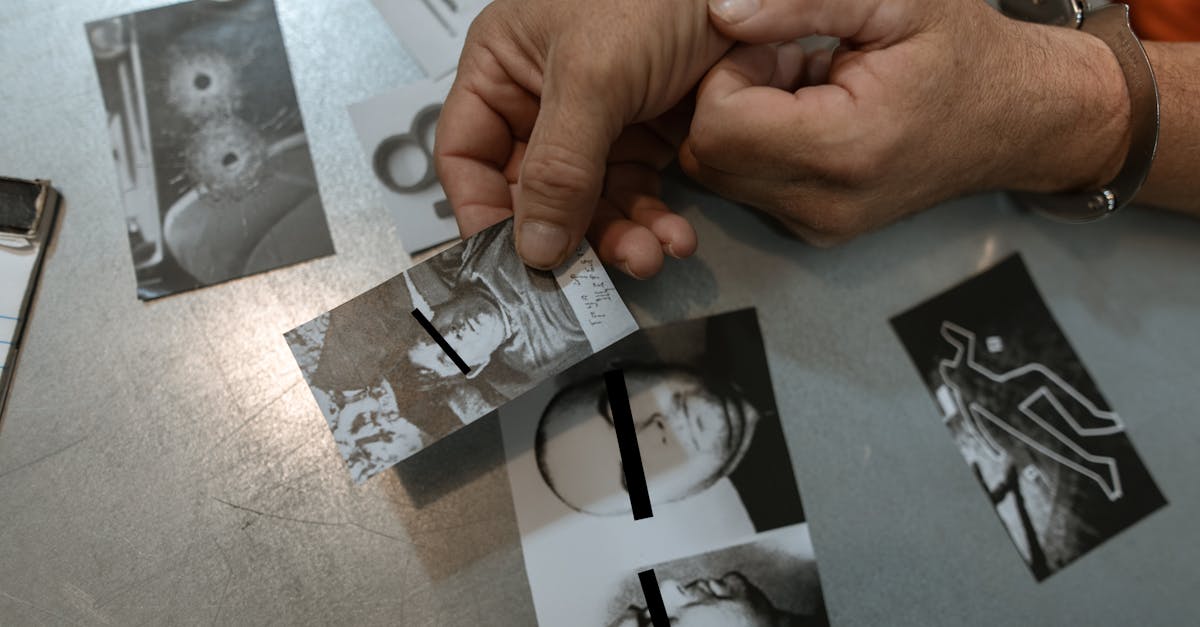
Discover everything you need to know about the term “arrest”: definitions, legal contexts, and implications.The stakes of the double arrest: democracy versus repression The double arrest of Alban Rakotoarisoa and
Clémence Raharinirina The events in Analakely raise numerous questions about fundamental freedoms, particularly freedom of expression and the right to demonstrate. The official justification, citing the maintenance of public order, does not seem convincing to a majority of citizens and analysts, who see it instead as an attempt to stifle the voice of the opposition. The legality of these arrests, already contested by a segment of civil society, is being challenged by arguments based on justice and respect for constitutional rights. International reactions, notably from organizations such as Amnesty International and Human Rights Watch, clearly call for an impartial and transparent assessment of these events. Democracy, in the Malagasy context of 2026, appears weakened by acts that could be perceived as obstacles to the exercise of political rights. The mobilization of civil society, around initiatives such as denouncing this repression, demonstrates an urgent need to preserve a space for dialogue and mutual respect. Political Reactions: Between Condemnation and SupportMany local political figures quickly expressed their opposition to this double arrest. Former President Marc Ravalomanana did not hide his concern about an initiative he deemed “senseless” and “anti-democratic.” He demanded the immediate release of the two elected officials, emphasizing that their only crime was having publicly expressed their opinions during a peaceful demonstration. The condemnation of these methods, perceived as an attack on freedom of expression, resonated throughout the political sphere, where the majority of opposition parties denounced a dangerous erosion of civil liberties.
Discover everything you need to know about arrest: procedures, rights, and legal consequences. Tensions in Analakely: Between Violence and Constant SurveillanceThe violent incidents that have marked this year in Analakely illustrate an increasingly worrying trend. The recurring clashes between street vendors and law enforcement are fueling a climate of instability. The scenes of these clashes, often filmed and shared on social media, reveal excesses where police and protesters accuse each other—each claiming legitimacy in defending their interests or rights. The adjacent neighborhoods, meanwhile, regularly experience heavy-handed police operations, often perceived as disproportionate. The increasing number of these incidents, coupled with pressure from authorities to restore order, is fueling a sense of insecurity in the city. The police, under pressure, must now contend with an increasingly distrustful population that views every intervention as a provocation or a form of arbitrary repression. The security challenges: between maintaining order and the risk of escalation.
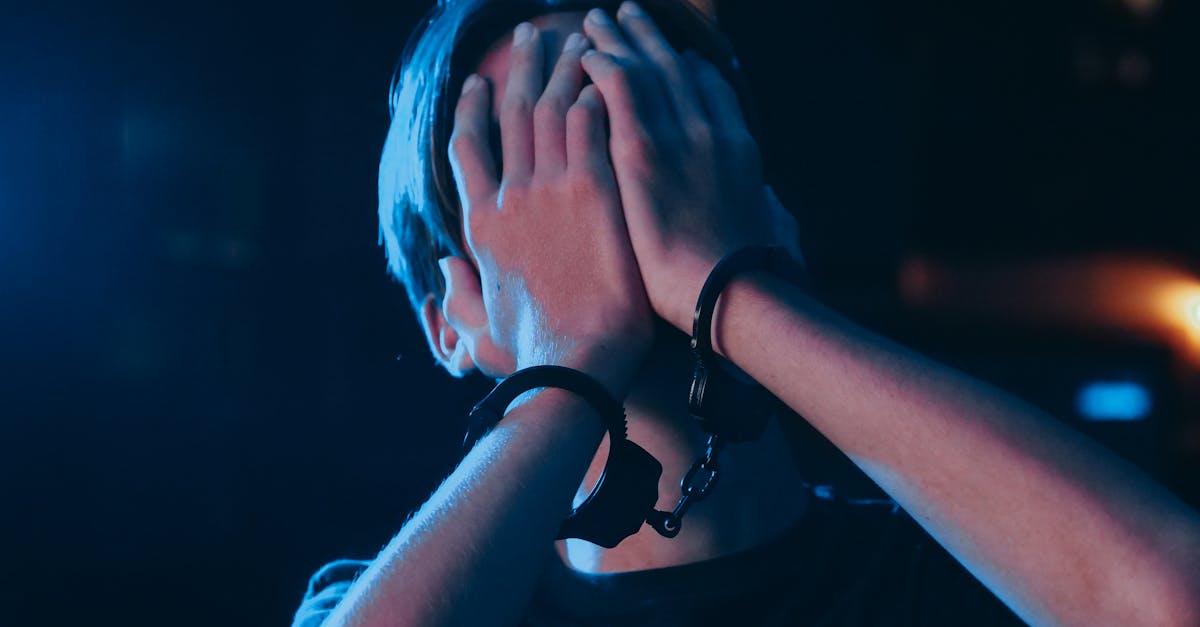
Recent cases, such as a violent clash involving a pregnant woman, underscore the need for a tailored and controlled security strategy. Caution remains essential to maintain a fragile balance and prevent a political crisis from escalating into open conflict. Young people and local business owners, who often feel held hostage by these confrontations, expect concrete responses from a state capable of combining firmness with respect for human rights.
The Role of Organizations and Civil Society in Crisis Management Faced with the spiral of violence and repression, Malagasy civil society plays a crucial role in the search for lasting solutions. Organizations such as
TI-MG
and the independent press strive to keep the public debate alive, denouncing authoritarian excesses and calling for reform of police practices.
Citizen movements, often amplified through social media, regularly organize rallies to denounce abuses and defend freedom of expression. Their commitment reflects a growing need for genuine dialogue between government officials and citizens. Popular participation in these initiatives shows that the majority of Malagasy people condemn these forms of intimidation and demand greater transparency and accountability.
Discover everything about the concept of arrest, its legal implications, and procedures. Learn about your rights and the steps involved in being arrested. A summary of the key issues and actors in the Analakely crisis
Aspect
Description Actors involved Impacts
Political crisis
Opposition, government, international institutions
| Weakening of democracy, social instability | Urban violence | Clashes between law enforcement and civilians in Analakely | Police, protesters, street vendors |
|---|---|---|---|
| Insecurity, deterioration of social cohesion | International reactions | Calls for transparency and the protection of human rights | Global organizations and NGOs |
| Pressure on the government, possible backpedaling | Civil society | Mobilization for justice and freedom of expression | Associations, media, engaged citizens |
| Strengthening of democratic debate, polarization | FAQ | Why did this double arrest in Analakely provoke so many reactions? Because it is taking place in a context of strong social and political protest, where the population perceives this operation as an attack on democracy and freedom of expression, it is fueling anger and mistrust of the authorities. | |
| What are the risks of an escalation of violence in Analakely? | The excessive use of force by the police, combined with strong popular mobilization, could lead to an intensification of clashes, further damaging social cohesion and potentially triggering a deeper crisis. | How can civil society contribute to calming the situation? | By strengthening mediation, organizing constructive dialogue with stakeholders, and denouncing abuses, civil society actors are participating in the search for peaceful and democratic solutions. |
What is the international position on the crisis in Analakely? Organizations such as the UN and Amnesty International are calling for a transparent investigation and respect for human rights, emphasizing the key role of institutions in preventing escalation.
🔗 Sources & références
Pour aller plus loin, consultez les sources citées dans cet article :
- The events in Analakely raise numerous questions about fundamental freedoms, particularly freedom of expression and the right to demonstrate. The official justification, citing the maintenance of public order, does not seem convincing to a majority of citizens and analysts, who see it instead as an attempt to stifle the voice of the opposition. The legality of these arrests, already contested by a segment of civil society, is being challenged by arguments based on justice and respect for constitutional rights. International reactions, notably from organizations such as Amnesty International and Human Rights Watch, clearly call for an impartial and transparent assessment of these events. Democracy, in the Malagasy context of 2026, appears weakened by acts that could be perceived as obstacles to the exercise of political rights. The mobilization of civil society, around initiatives such as denouncing this repression, demonstrates an urgent need to preserve a space for dialogue and mutual respect. Political Reactions: Between Condemnation and Support — gasigasy.mg
- The Role of Organizations and Civil Society in Crisis Management — ledefi.mg
- Actors involved — africa-press.net
Découvrez notre guide complet — destinations, budget, visa, faune et conseils pratiques pour préparer votre voyage.

📖 Vous aimerez aussi
Transition à Madagascar : la société civile et la Génération Z face aux doutes sur le « Programme de la Refondation »
3 March 2026
Fermeture de l’aéroport de Dubaï : chaos et désarroi chez les voyageurs bloqués
2 March 2026