
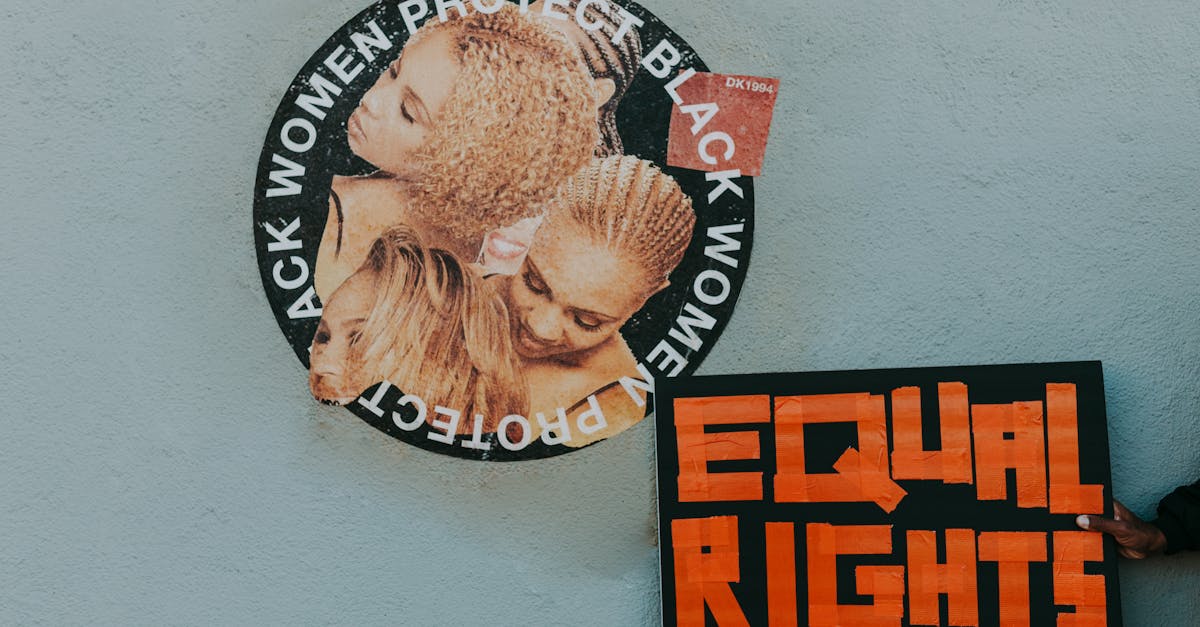

Faced with the significant social crisis gripping Madagascar, the capital, Antananarivo, is experiencing a slow but steady rise in discontent. For several weeks, a growing mobilization of residents has reflected a profound frustration with the glaring failures of essential public services: chronic water and electricity cuts, deteriorating living conditions, and a lack of lasting solutions. The distress is so profound that it has driven many citizens to defy the ban on demonstrations, giving rise to increasingly large and often illegal gatherings. These protests, which are spreading rapidly, are taking place within a delicate economic context marked by an acute energy crisis, exacerbated by structural weaknesses and sometimes questionable resource management. The situation is not only alarming from a humanitarian perspective, but it also raises crucial questions about governance, the capacity to provide basic services, and collective commitment to a shared project aimed at overcoming these crises that are weakening the social fabric of Madagascar.
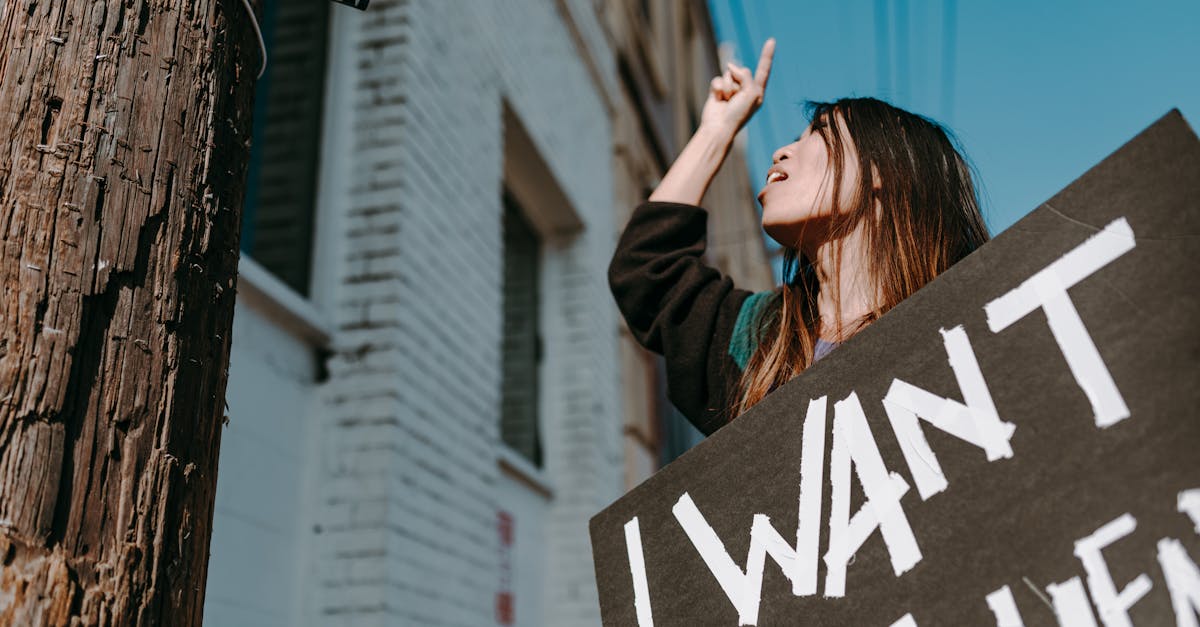
Discover the latest information and analysis on demonstrations and protests around the world. Follow the evolution of social movements and their impact.
Illegal demonstrations in Antananarivo: a challenge to public order and democracy.

Discover the latest news and analysis on demonstrations and protest movements around the world.
| The crucial issues surrounding water and electricity cuts in Madagascar | The incessant water and electricity cuts represent far more than a simple daily inconvenience. They embody a systemic fragility rooted in the acute energy crisis gripping Madagascar. The failure of JIRAMA, the energy company, is a symbol of this glaring inability to meet vital needs. Dependence on non-renewable energy sources and a lack of investment in the sector contribute to this major instability. The result: entire neighborhoods plunged into darkness or deprived of water, sometimes for several days, exacerbating the precarious situation of already vulnerable populations. These cuts, amplified by opaque management and outdated infrastructure, fuel public anger more and more each day. In particular, in a fragile economic context where the majority of households struggle to meet their basic needs, this energy crisis becomes a source of exasperation and contributes to fostering a climate of mistrust towards the political leaders who have a duty to guarantee these essential services. Key Elements | Impact |
|---|---|---|
| Possible Consequences | Energy Crisis | JIRAMA Failure and Outdated Infrastructure ⚠️ |
| Demonstrations, Insecurity, Deterioration of the Social Fabric | Water and Electricity Cuts | Daily Deprivation, Urban Violence |
| Political Instability, School Dropouts, Humanitarian Crisis | Popular Representation | Protest Movements, Civil Disobedience 🪧 |
Radicalization, Violent Repression
The Root Causes of the Social Crisis in Antananarivo

Discover the latest information and news on demonstrations and protests around the world.
The role of local and international actors in crisis management
Solutions to this social crisis cannot be limited to unilateral action. The international community, through institutions such as the UN and the World Bank, is calling for rapid awareness and responsible management of the country’s resources. Several aid programs have been established to rehabilitate the electricity grid, but their effectiveness remains limited without transparent and participatory management. Malagasy civil society also plays a crucial role in raising awareness and mobilizing support. Local NGOs, supported by foreign partners, are attempting to organize constructive dialogues, denounce abuses, and encourage profound reforms. Communication between the government, civil society, and international partners must be intensified to build consensus and a sustainable strategy. The energy crisis highlights the need to rapidly diversify energy sources, modernize the grid, and strengthen the resilience of public services. A collective commitment, transcending political interests, is essential to overcome this impasse.
The measures taken by the government in response to the protests
Acts of popular defiance, if left unaddressed, risk escalating into large-scale urban violence. Recent incidents, such as fires in certain neighborhoods, the destruction of businesses, and looting, illustrate the fragility of public order. The succession of these events increases the feeling of insecurity, reinforcing the spiral of confrontation. Violence, fueled by a climate of impunity, could lead to an even more serious crisis, jeopardizing national stability. The need to de-escalate tensions through immediate and concerted measures has never been more imperative to avoid a collective uprising, which could lead to a major political crisis and undermine Madagascar’s fragile institutional balance. The international community warns against such an outcome, emphasizing the urgent need to establish an inclusive dialogue.
https://www.youtube.com/watch?v=z7B5CYPMYVI
Possible actions to resolve the crisis and restore social peace
It is imperative to broaden the national debate for a lasting solution to the crisis in Madagascar.
Responding to the cries of the street with repression or temporary measures is not enough. The crisis facing Madagascar demands a collective awareness of the need to include all socio-political actors in a process of profound reforms. Reducing inequalities, ensuring transparency in resource management, and developing sustainable strategies for public services must become priorities for a genuine recovery. Citizen participation, particularly through local assemblies or popular consultations, must be strengthened to lend credibility to the process. The integration of international experts and cooperation with global institutions can guide this path toward a peaceful and constructive resolution. The era of social unrest in Antananarivo highlights that only sincere dialogue and responsible governance will eradicate these tensions and thus guarantee a more serene future for Madagascar.
What are the main causes of the protests in Antananarivo?
The protests are primarily due to prolonged water and electricity cuts, deteriorating infrastructure, and often opaque management of public resources.
What risks do illegal protesters face?
The Malagasy authorities frequently resort to repression, leading to arrests, violent dispersals, and the risk of escalating tensions if dialogue is not initiated quickly.
What are the short-term solutions to defuse the crisis?
It is crucial to rapidly restore essential services through urgent investments and to prioritize inclusive dialogue to address the legitimate expectations of the population. How can the international community intervene?
🔗 Sources & références
Pour aller plus loin, consultez les sources citées dans cet article :
Découvrez notre guide complet — destinations, budget, visa, faune et conseils pratiques pour préparer votre voyage.

📖 Vous aimerez aussi

Transition à Madagascar : la société civile et la Génération Z face aux doutes sur le « Programme de la Refondation »
3 March 2026
Fermeture de l’aéroport de Dubaï : chaos et désarroi chez les voyageurs bloqués
2 March 2026


