
The Malagasy nation is going through a period of exceptional turbulence, exacerbated by a profound energy crisis that is severely testing the country’s political and social stability. In 2026, the context is marked by widespread popular anger fueled by chronic interruptions in water and electricity supplies, highlighting the mismanagement of essential resources. The situation reaches a breaking point when President Andry Rajoelina, faced with these protests, decides to dismiss his Minister of Energy, Olivier Jean Baptiste, in an attempt to quell the unrest and preserve the fragile institutional order. However, this measure, interpreted by some of the population and the international community as a response to a major crisis, has sparked serious accusations from protesters and analysts: accusations of an attempt to destabilize the government and fears that the energy crisis is being used as a pretext for a disguised coup. President Rajoelina’s response thus appears to be a choice between cautious restraint and the need to quickly find lasting solutions to a problem rooted in energy policy. This deteriorating context, characterized by riots, looting, and growing political instability, raises a crucial question: how far can national unity be maintained in the face of a crisis that threatens its very integrity?
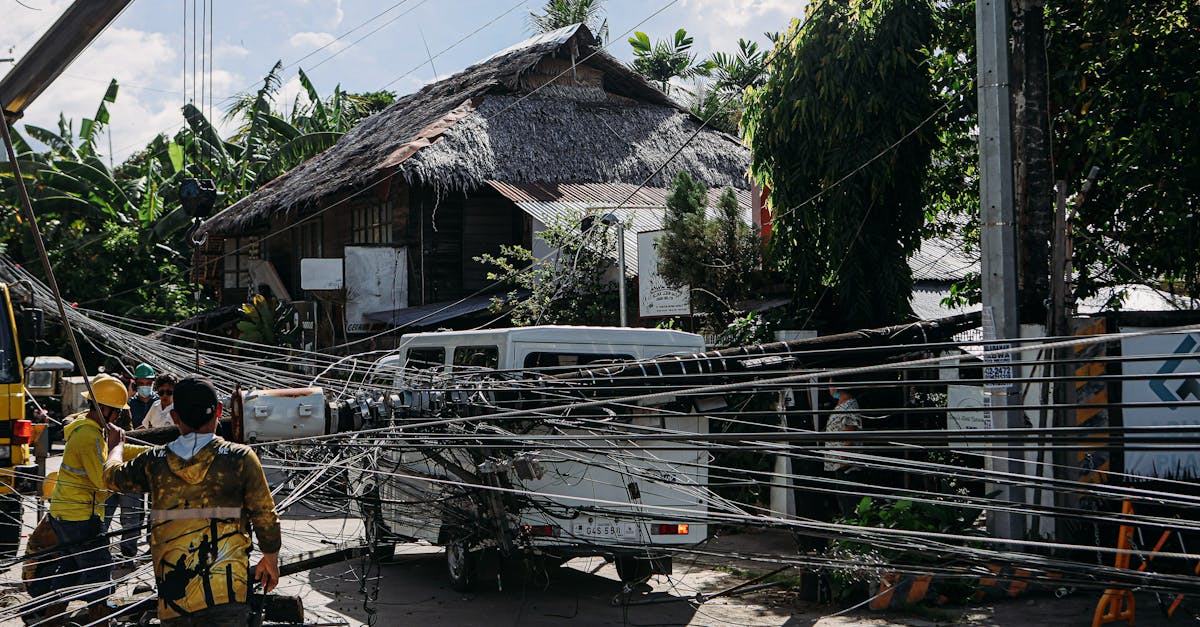
An energy crisis exacerbated by deteriorating infrastructure and government mismanagement The energy crisis that will shake Madagascar in 2026 is largely the result of an aging infrastructure network, incapable of meeting the growing needs of a constantly expanding population. The national electricity company,Jirama
Madagascar faces a chronic production deficit, exacerbated by an excessive reliance on expensive and largely non-renewable fossil fuels. The political management of these issues has long been characterized by inconsistent decisions, often driven by electoral considerations rather than by a strategy of investment, maintenance, or energy diversification. These errors have fueled a vicious cycle where the physical deterioration of the entire grid leads to more frequent power outages, increasing citizens’ distrust of their government. Statistics show that during this tumultuous year, more than 60% of power outages were due to technical failures or a lack of maintenance. Meanwhile, the adopted energy policy remains largely dependent on imports, making Madagascar vulnerable to fluctuations in global markets. This situation combines an existential crisis with a significant increase in tariffs, worsening the social situation and fueling public anger.
In-depth analysis of the current energy crisis, its causes, its global impacts, and sustainable solutions for a stable energy future. The socio-political context: mass demonstrations and accusations of an attempted coup
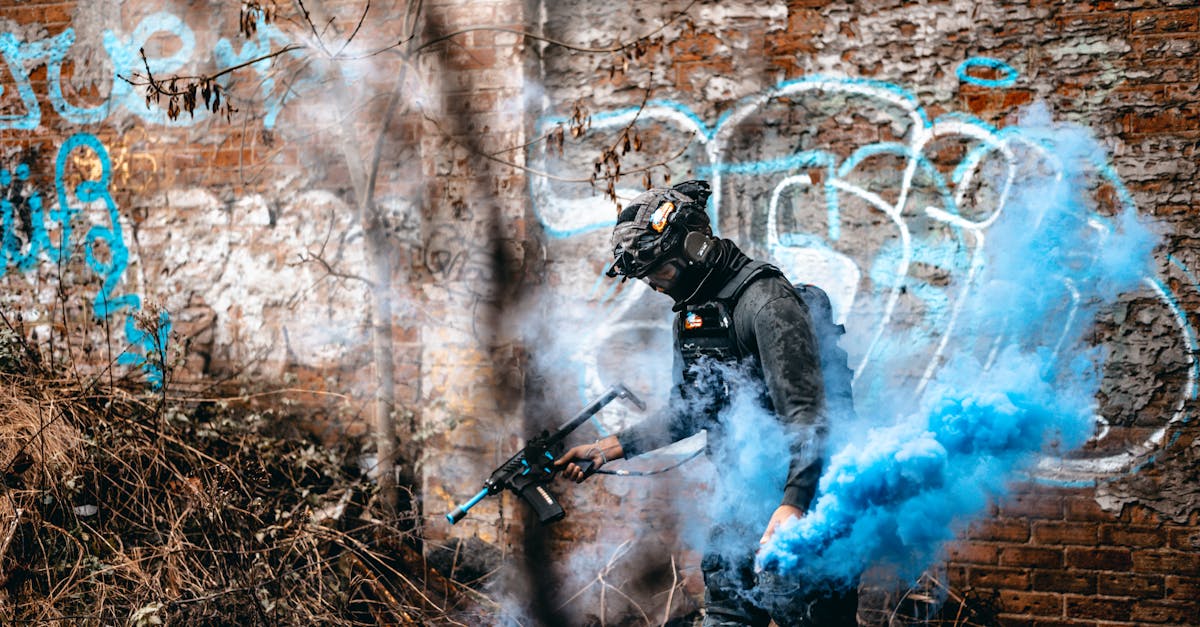
Social tensions are escalating as the exasperated population takes to the streets to express its discontent. For several weeks, the slogan “Leo Power Cuts” has been mobilizing thousands of citizens, primarily young people and students. These protests, initially focused on the issue of power cuts, quickly escalated into open clashes with law enforcement. These confrontations have resulted in a heavy human toll, with an official minimum of five deaths. reflecting the scale of the social crisis gripping the country. Political authorities, notably President Rajoelina, denounce an “attempt at destabilization” aimed at overthrowing the regime. In a context where national stability is already fragile due to the riots, the head of state has denounced a possible coup d’état, further fueling the climate of uncertainty. The loss of confidence in institutions perceived as incapable of managing the crisis is widening, reinforcing suspicions of a conflict that goes beyond the simple issue of energy. Anger is rising among young people, who accuse the government of negligence and demand profound reforms. Violence is also spreading to working-class neighborhoods, with looting of shopping centers and private homes, raising fears of a total collapse of public order.
Discover the causes, consequences, and possible solutions to the global energy crisis in our comprehensive analysis of the energy crisis. The Stakes of the Government Conflict in the Face of the Threat of a Coup d’ÉtatUnder pressure from increasingly violent protests, President Rajoelina is forced to make drastic choices to preserve his power and avoid an inevitable deterioration of the situation. The dismissal of the Minister of Energy appears to be a radical decision intended to appease popular anger and establish a climate of calm. However, this decision only fuels suspicion regarding the sincerity of the government’s intentions, with some seeing it as a mere strategic repositioning within a crisis management framework.Political analysts emphasize that this conflict goes far beyond the technical issue of power outages. It is part of a broader struggle for control of energy supply, which is becoming a matter of sovereignty for Madagascar. The opaque and inefficient management of energy resources extends the conflict to a geopolitical dimension, where external actors would undoubtedly interfere in this governmental conflict to gain an advantage. Furthermore, the fear of a coup d’état orchestrated under the pretext of a socio-energy crisis is becoming a tangible threat, mobilizing all the government’s efforts to defend the regime’s integrity.
Discover the causes, impacts, and solutions to the global energy crisis to better understand current energy challenges.
Emergency measures proposed to address the energy crisis in 2026 Faced with this alarming situation, the Malagasy government has presented a series of emergency measures designed to restore stability to the country and ensure a more reliable energy supply. These include: 🔧 The immediate rehabilitation of major power stations, in partnership with specialized international companies, to reduce technical outages.
💡 Diversification of energy sources, particularly through the development of solar and wind power projects, to decrease dependence on costly and polluting fossil fuels.
- 🚧 Implementation of a national infrastructure maintenance plan with enhanced monitoring to prevent recurring breakdowns.
- 🎯 Combating corruption and increasing transparency in energy resource management to restore public trust.
- 📢 The creation of an inclusive dialogue with young people and representatives of civil society to develop a shared and sustainable energy policy.
These ambitious proposals require strong political will and collective mobilization. They also illustrate the need for a profound transformation of Madagascar’s energy model to prevent this crisis from becoming a cause of confrontation or a slide towards authoritarianism.
| A summary of the challenges and solutions to the energy crisis in Madagascar | Major challenges | Proposed solutions |
|---|---|---|
| Key success factors | 🔌 Deteriorating and obsolete infrastructure | 🔧 Enhanced rehabilitation and maintenance of electricity grids |
| Political commitment and international funding | 💰 Dependence on imported fossil fuels | 🌿 Development of local renewable energy |
| Technological partnerships and local training | 🚧 Opaque management and corruption | 🔎 Increased transparency and the fight against corruption |
| Institutional reforms and rigorous monitoring | 📉 Poor planning and low investment | 🎯 Development of a coherent national plan with a precise timeline |
| International support and national monitoring | 🎓 Lack of awareness and community involvement | 🤝 Dialogue with youth and civil society |
Transparent communication and inclusion
Social and economic impacts of the energy crisis in Madagascar
The consequences of this crisis are not limited to the decline in daily comfort. The social and economic impacts are profound and multifaceted. Regular power outages disrupt the functioning of the formal economy, particularly in the industrial, agricultural, and service sectors, thus hindering growth. The shortage of drinking water, exacerbated by the failure of distribution systems, also fuels serious health problems, raising concerns about the spread of hygiene-related diseases.
The economic cost of these disruptions is considerable. According to a recent study, the energy crisis has resulted in losses estimated at several million dollars each month, affecting both households and businesses. Other impacts include a decline in purchasing power, as energy prices continue to rise in response to the crisis, and temporary layoffs caused by the suspension of essential economic activities. Vulnerable populations, particularly in rural areas, are bearing the brunt of these disruptions. Poverty and marginalization are exacerbated as basic services become increasingly intermittent, fueling a vicious cycle of precariousness and widespread discontent.
Prospects and Challenges for Stability in Madagascar in the Context of an Energy Crisis
Madagascar’s stability in 2026 is now intrinsically linked to its ability to overcome this chronic energy crisis. The path to a sustainable solution lies in a complete overhaul of energy policy, incorporating innovative and environmentally sound solutions. The implementation of structuring programs, supported by the international community, is essential to restoring confidence and ensuring the country’s harmonious development.
Furthermore, regaining control of energy project management must be accompanied by increased transparency to prevent any manipulation of resources and to contain the risks of conflict and corruption. The need for strengthened governance has never been more crucial to prevent this crisis from escalating into a major conflict, or even a coup d’état, as some analysts seem to fear.
https://www.youtube.com/watch?v=Q8xK_zeFiUs
What is the main cause of the energy crisis in Madagascar in 2026?
The main cause lies in the deterioration of infrastructure, ineffective management, a heavy reliance on imported fossil fuels, and poor planning, all of which exacerbate the situation. How does the energy crisis affect political stability in Madagascar?
It creates significant social instability, fuels rising violence, and raises accusations of an attempted coup, jeopardizing national cohesion.
What measures does the government propose to overcome this crisis?
The government plans infrastructure rehabilitation, the development of renewable energies, the fight against corruption, and dialogue with civil society.
What are the economic consequences of the energy crisis?
The economic losses are enormous, with a decline in GDP, an increase in unemployment, energy inflation, and increased vulnerability for the population.
🔗 Sources & références
Pour aller plus loin, consultez les sources citées dans cet article :
- Under pressure from increasingly violent protests, President Rajoelina is forced to make drastic choices to preserve his power and avoid an inevitable deterioration of the situation. The dismissal of the Minister of Energy appears to be a radical decision intended to appease popular anger and establish a climate of calm. However, this decision only fuels suspicion regarding the sincerity of the government’s intentions, with some seeing it as a mere strategic repositioning within a crisis management framework. — letempstg.com
- Faced with this alarming situation, the Malagasy government has presented a series of emergency measures designed to restore stability to the country and ensure a more reliable energy supply. These include: — zenithactu.com
Découvrez notre guide complet — destinations, budget, visa, faune et conseils pratiques pour préparer votre voyage.

📖 Vous aimerez aussi

Transition à Madagascar : la société civile et la Génération Z face aux doutes sur le « Programme de la Refondation »
3 March 2026
Fermeture de l’aéroport de Dubaï : chaos et désarroi chez les voyageurs bloqués
2 March 2026