
Antananarivo, the iconic capital of Madagascar, is preparing to host an event of rare intensity: the grand final of the national parkour championship. This urban sport, combining agility, speed, and precision, has established itself in just a few years as a major discipline on the island, mobilizing a community of passionate and dedicated young athletes. The city, rich in historical and cultural heritage, is transformed into a veritable arena for this competition, which transcends borders and captures national attention. Scheduled in a context where promoting alternative sports is becoming an urgent priority to diversify sporting opportunities and attract the interest of younger generations, the event represents not only a competition but also a catalyst for development and innovation within the Malagasy sports scene. The capital, often perceived through the lens of its urban constraints and socio-economic challenges, is revealing a new face: that of a dynamic, resilient, and forward-looking city, ready to take on the challenge of a large-scale sporting event. The national championship final, which will bring together the best practitioners from across the country, represents a valuable opportunity to strengthen the recognition of parkour as a structured discipline, uniting all stakeholders, from coaches and organizers to sponsors and, of course, the local and international public.
The historical and cultural context of Antananarivo is at the heart of this urban sports spectacle.
From its origins, Antananarivo has always been more than just an administrative capital. It carries within it a rich historical heritage, shaped by decades of social and political transformations. Founded in the early 17th century as the center of the Merina kingdom, the city has always been a symbol of resilience and unity, where history intertwines with contemporary dynamics. Today, this multifaceted identity resonates in the development of urban sports. The local athletic scene, traditionally centered on more classic disciplines like football or boxing, is witnessing the emergence of a new generation for whom parkour represents a true cultural revolution. This enthusiasm stems from a growing collective awareness, where young people, often marginalized, are discovering in this discipline a path to self-expression, self-improvement, and artistic creation.

Discover parkour, an urban discipline combining agility, speed, and creativity to overcome obstacles in spectacular fashion. Antananarivo’s cultural context also reflects a profound desire for innovation. Festivals and cultural events, such as those mentioned inAntananarivo’s festivals
, illustrate this desire to blend ancestral traditions with modern expressions. The fusion of past and present is manifested in the practice of parkour, which transforms elements of the city, such as historical buildings, staircases, and walls, into adventure playgrounds. The Malagasy capital, at the crossroads of heritage and modernity, offers an ideal testing ground for this urban sport, which is both spectacular and symbolic.
The development of urban sport in Madagascar: between tradition and innovation
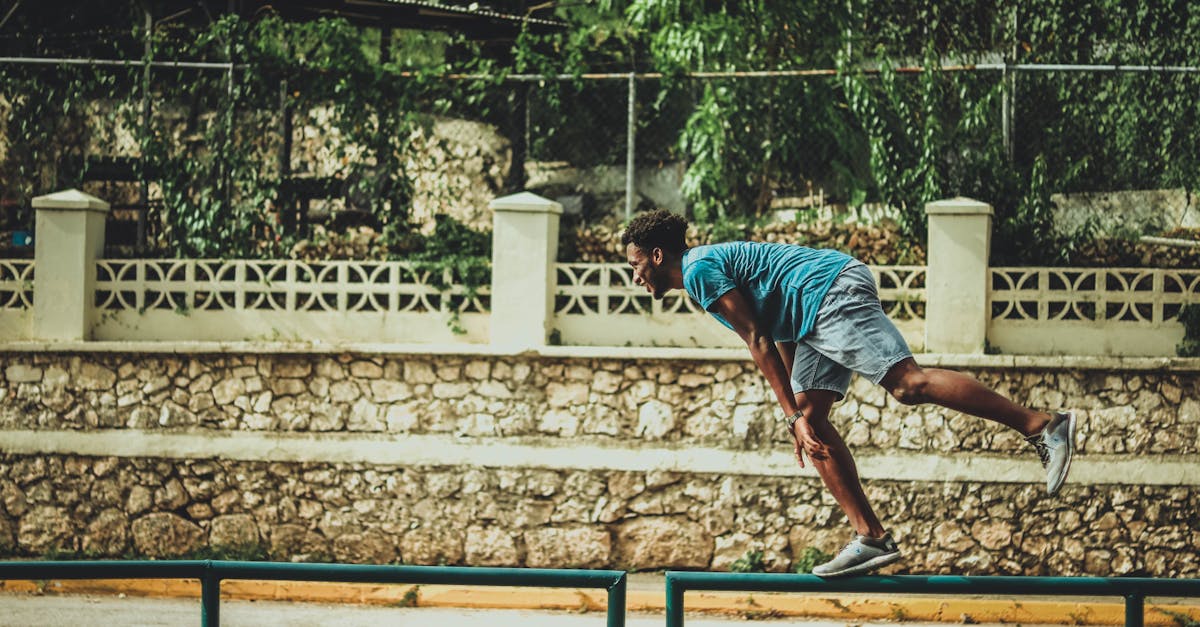
Discover parkour, the art of urban movement combining agility, speed, and creativity to overcome obstacles in natural or urban environments.
This movement, echoing the international scene with its renowned competitions, reflects a desire for a transition towards a more structured practice, in line with international standards. An event like the national championship final, held in the city, will highlight this development while stimulating investment in training, equipment, and the organization of future events. Recognizing urban sport as a genuine driver of socioeconomic development could also foster job creation and the establishment of dedicated facilities, thus strengthening its integration within the local community.
| The organizational process of the final: challenges and stakes for Antananarivo | Organizing the grand final of the national parkour championship in a capital city like Antananarivo requires meticulous preparation, combining logistics, security, and communication. The city must blend its modern infrastructure with its historical resilience to offer a safe and accessible environment for all participants and spectators. Coordination between local authorities, organizers, and technical partners remains a major challenge, particularly to ensure smooth traffic flow, security, and media coverage of the event. | |
|---|---|---|
| Criteria | Current State | Objective for the Final |
| Infrastructure | Improved with adapted public spaces | Increased and secure capacity |
| Organization | Collaboration between various local stakeholders | Smooth and incident-free organization |
Security

Optimal protection of athletes and the public Challenges such as crowd management and the implementation of an emergency medical service require precise planning. Communication surrounding the event must also rely on a viral strategy, leveraging social media to reach a wider audience and ensure national and international media coverage.
Discover parkour, an urban discipline combining agility, speed, and creativity to overcome urban obstacles with fluidity and style.
Logistical success is only possible by uniting all stakeholders around a common project. The city must therefore mobilize its resources and creativity to transform this sporting event into a powerful driver of influence and social cohesion.
The economic and social implications of the championship in the capital
Beyond the purely sporting aspect, the national parkour championship final represents an economic and social opportunity for Antananarivo. The involvement of small businesses, accommodations, and local restaurants increases, particularly during peak periods. The event’s international visibility can also boost tourism, notably by showcasing Madagascar’s cultural and natural attractions.
Urban sport, seen as a vehicle for integration, would also foster a sense of cohesion in often marginalized neighborhoods. Practicing parkour offers young people a constructive alternative to social risks, allowing them to channel their energy and providing a platform for expression. The city thus demonstrates a political commitment to supporting engaged youth by creating an environment conducive to the development of new sporting and cultural practices.
Significant participation in this final could serve as a springboard for greater recognition of Malagasy parkour on the global stage. France, in particular, holds a prominent position in this sport, but Madagascar is beginning to make its voice heard thanks to its promising athletes and local initiatives. The recent creation of a national parkour federation further strengthens this ambition.
Links with countries like France, where urban sports are highly developed, open up opportunities for training, exchanges, and bilateral competitions. Victory in the grand final would establish Madagascar as a credible player in the discipline, capable of attracting international partners and sponsors. Structuring this discipline, with a focus on intercultural exchange, is a strategic lever for the young local scene in a context where international visibility is becoming essential to ensure the long-term viability of this emerging sport.
https://www.youtube.com/watch?v=HEdRWxJTQ1Q Perspectives and strategies for ensuring the long-term development of urban sports in Antananarivo To maintain the enthusiasm for parkour in the capital, it is essential to develop a long-term strategy involving all local, national, and international stakeholders. Creating an annual calendar of events, training young talent, and partnering with educational institutions are among the fundamental levers for sustaining this momentum. The mobilization of local and international media would help to firmly establish this discipline within the Malagasy sporting and cultural landscape. Strengthened cooperation with partners such as
the capital’s authorities
- or
- local tourism stakeholders
- could also offer new perspectives for the sustainable development of urban sport, by integrating its challenges into a comprehensive urban and social development strategy.
- Key factors for sustainable growth:
- 👟 Professional coaching and continuing education
✨ Creation of suitable public spaces for practice
🤝 Partnerships with the educational and non-profit sectors
🌍 Visibility and international exchanges
💡 Innovation in event organization
The success of this final could thus create a sustainable platform for urban sport, catalyzing positive changes in the city and among Malagasy youth, while also placing Madagascar on the world sporting stage.
What is the significance of the parkour final in Antananarivo in 2026?
🔗 Sources & références
Pour aller plus loin, consultez les sources citées dans cet article :
- Antananarivo’s cultural context also reflects a profound desire for innovation. Festivals and cultural events, such as those mentioned in — voyage-nosy-be.fr
- https://www.youtube.com/watch?v=HEdRWxJTQ1Q — capital-cities.org
- To maintain the enthusiasm for parkour in the capital, it is essential to develop a long-term strategy involving all local, national, and international stakeholders. Creating an annual calendar of events, training young talent, and partnering with educational institutions are among the fundamental levers for sustaining this momentum. The mobilization of local and international media would help to firmly establish this discipline within the Malagasy sporting and cultural landscape. — tripadvisor.fr
- It represents a crucial step for the recognition of urban sport in Madagascar, while also promoting its integration into the national and international sporting landscape. — rfi.fr
Découvrez notre guide complet — destinations, budget, visa, faune et conseils pratiques pour préparer votre voyage.

📖 Vous aimerez aussi
Transition à Madagascar : la société civile et la Génération Z face aux doutes sur le « Programme de la Refondation »
3 March 2026
Fermeture de l’aéroport de Dubaï : chaos et désarroi chez les voyageurs bloqués
2 March 2026