
Located in the heart of Madagascar, Antananarivo, commonly known as the “Pearl of Madagascar,” is poised to experience a pivotal moment in the world of urban sports. In 2026, the Malagasy capital will host the culmination of the national parkour championship, an event that promises to bring together the country’s best athletes. This sport, once marginalized, is now gaining official recognition, thus solidifying its place in the national athletic landscape. The reach of this competition extends far beyond the local level, as it becomes a symbol of diversity, self-improvement, and the empowerment of Malagasy youth before an ever-growing audience.
This year’s parkour festival is presented as a crucial step in the development of urban sports in Madagascar. This gathering, organized within a context of collective mobilization, also reflects a desire to make Antananarivo a continental showcase for this discipline. The city, with its rich architectural heritage and diverse spaces, offers an ideal platform for this competition, while highlighting the importance of promoting urban culture in a rapidly changing country. The competition also provides an opportunity to raise public awareness of the challenges facing young people, their creativity, and their ability to integrate into a structured sporting environment. By adhering to a sustainable development framework, this initiative aims to unite all social classes around a common project, demonstrating a genuine collective commitment to promoting urban sports in Madagascar.
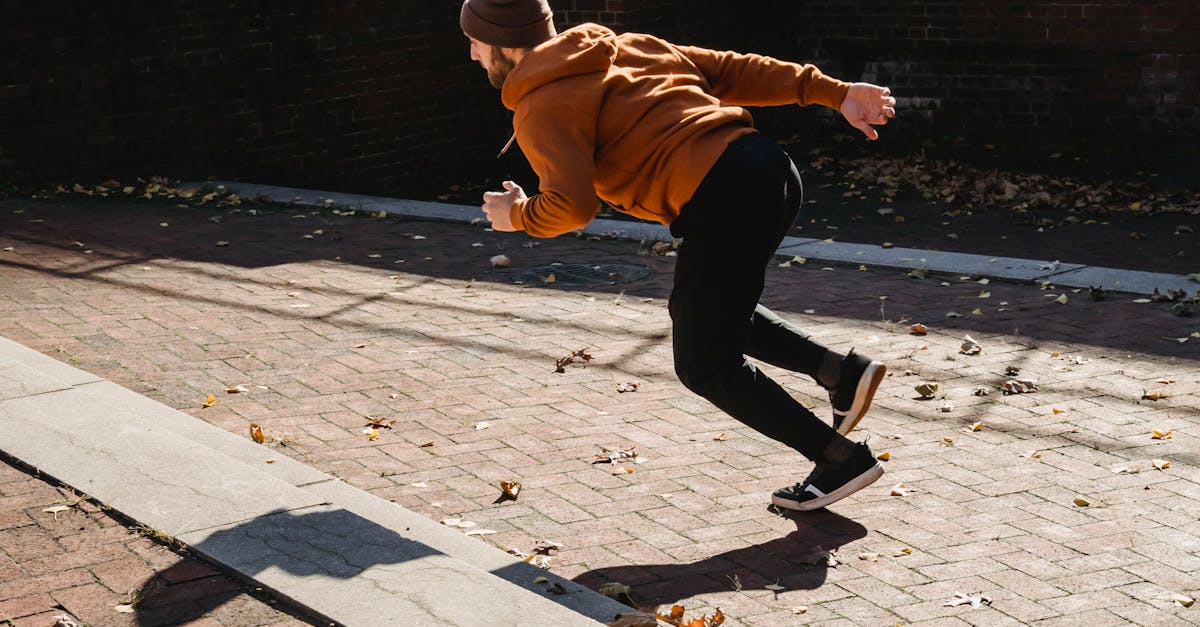
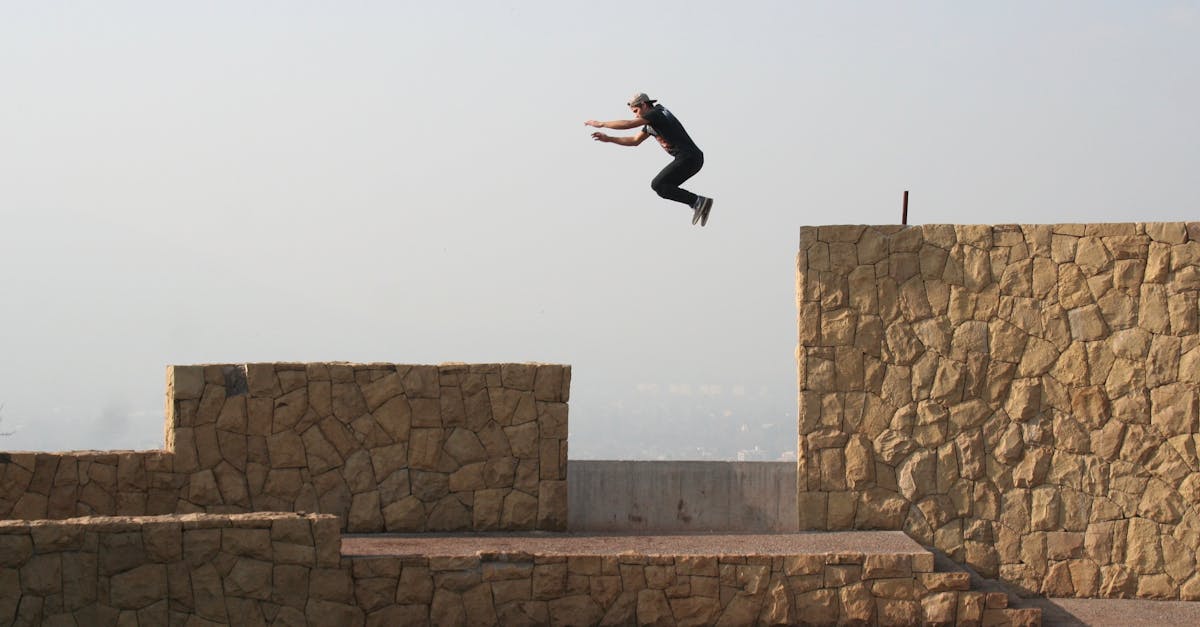
Discover the art of parkour: techniques, training, and tips for mastering this dynamic and spectacular urban sport.
Antananarivo: The Malagasy capital, epicenter of urban sport in 2026
When one thinks of Antananarivo, one first thinks of its historic districts and iconic monuments. However, this year, the city is transforming into a veritable sporting arena where parkour takes center stage. The Malagasy capital, rich in contrasts between tradition and modernity, offers an exceptional environment for this audacious discipline. By incorporating streets, staircases, walls, and other architectural structures, young athletes are transforming the city into a giant playground. Through this approach, they symbolize their desire to break the mold and inject new dynamism into the urban landscape. Numerous public spaces in Antananarivo have been adapted to host this competition, with obstacles manufactured according to international standards. By embracing diversity, the city illustrates how a metropolis can become a true laboratory for the sport of tomorrow. The success of this event demonstrates that Madagascar, through its capital, is moving towards greater recognition of its talents in urban athletics, while offering its youth a space for expression and empowerment. The diversity of participants, ranging from children to experienced adults, demonstrates the accessibility of this discipline for all, reinforcing the credibility of this competition on the international stage.
https://www.youtube.com/watch?v=UOIj4dVQBYM An open and festive competition, reflecting the cultural vitality of Madagascar
The 2026 National Parkour Championship is more than just a competition; it’s a true cultural event, blending sport and urban art. Open to all, the competition encourages participation from young people and sparks the interest of families, who are drawn to this dynamic form of expression. Beyond the athletes’ performances, a variety of activities are offered: documentary film screenings, training workshops with members of the International Gymnastics Federation, equipment exhibitions, and opportunities to meet local figures in the urban movement. This diverse range of activities fosters community engagement and contributes to a genuine sense of community.
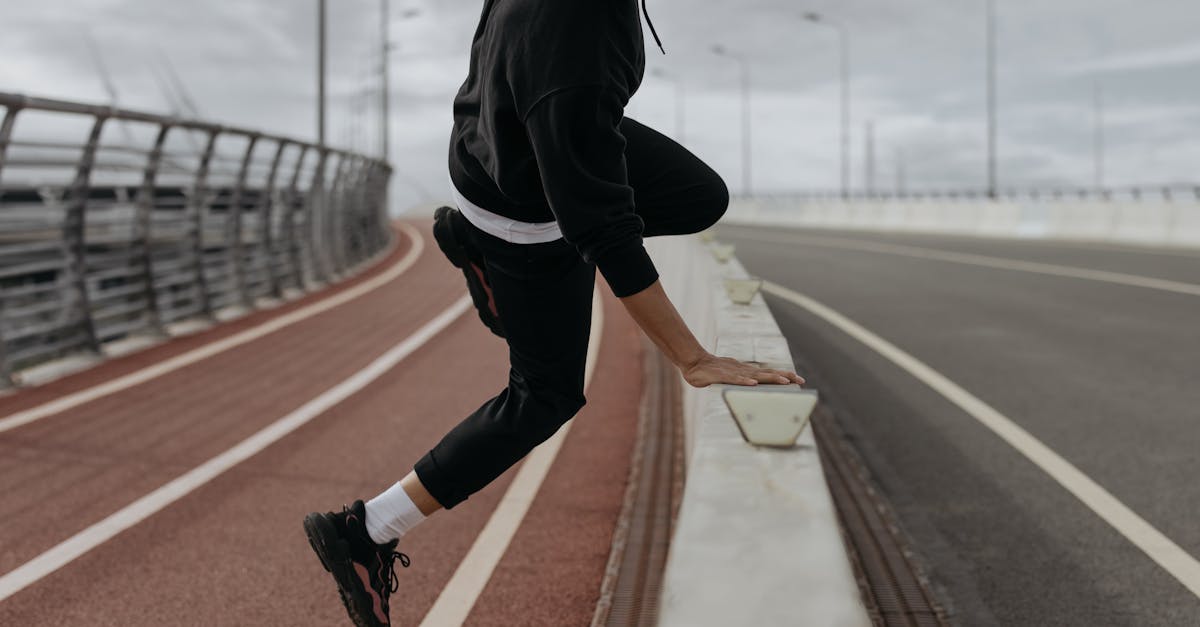
Discover parkour, the art of free movement combining agility, creativity, and body control in an urban environment. Learn the techniques, tips, and benefits of this dynamic discipline.
International standards and prospects for the Madagascar Parkour Championship This championship also showcases the growth of urban sport in Madagascar, which aspires to join the international scene. The 2026 competition is part of a professionalization and recognition initiative, aiming to broaden the reach of Malagasy athletes globally. To this end, the local federation, in partnership with the International Gymnastics Federation, has established a series of strict rules and qualifying events.
| The judging criteria | focus on technique, creativity, fluidity, and mastery of acrobatic figures. | |
|---|---|---|
| Categories | Main Criteria | Participants |
| 🏁 Adults | Technique, creativity, speed | 30+ athletes |
| 👨🏺 Youth | Body expression, obstacle clearance | 20+ juniors |
💰 Women
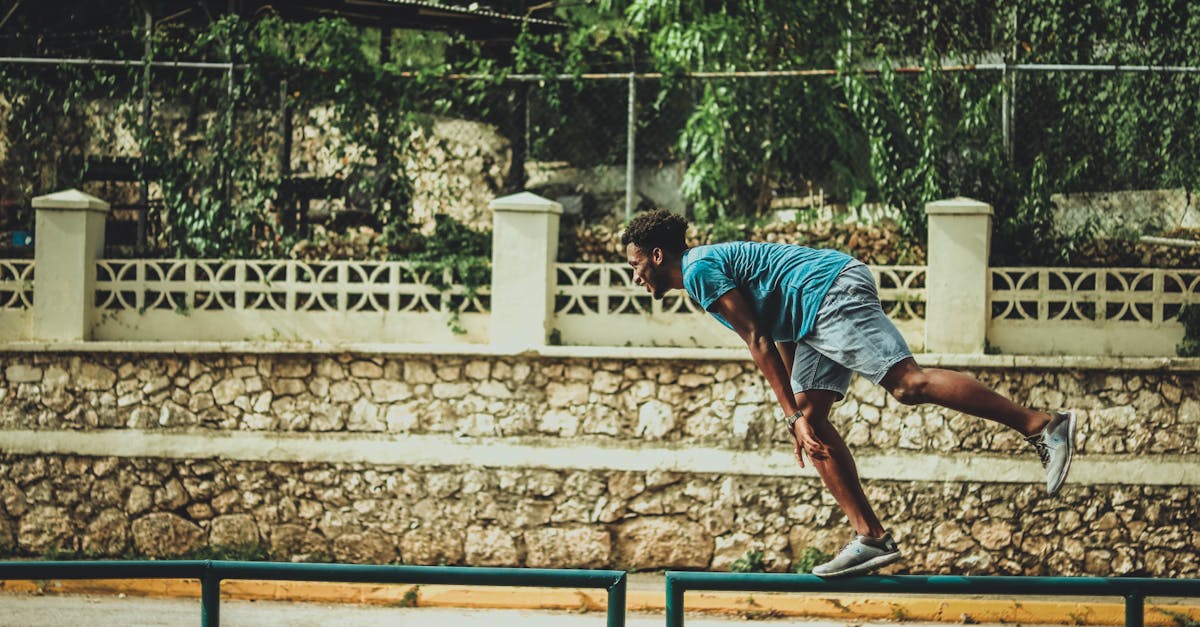
15+ participants
This table highlights an important development: the diversification of profiles and categories. The competition aims to prove that parkour is not just a sport for an elite group of athletes, but a democratic practice open to all. The increased representation of women in this discipline, often perceived as masculine, is a strong sign of changing attitudes, while also strengthening Madagascar’s legitimacy on the world stage. The ultimate goal remains the same: for each athlete to not only achieve their ambitions, but also become an ambassador for this discipline on the continent and beyond.
Discover parkour, an urban discipline combining agility, endurance, and creativity to overcome all obstacles.
Challenges and issues for the development of parkour in Madagascar in 2026
Despite palpable enthusiasm, the development of this sport in Madagascar is not without its challenges. One of the main obstacles remains the difficulty of accessing specialized equipment and the need for quality technical coaching, particularly in a region where sports infrastructure is still limited. Furthermore, the issue of funding remains a major challenge, as organizing such competitions requires significant resources. Dependence on aid from international partners highlights a vulnerability in the long-term sustainability of the movement.
However, a number of solutions are emerging. The Malagasy government is showing a growing interest in promoting physical activity among young people. The establishment of local clubs, the implementation of coaching training programs, and the creation of suitable infrastructure are among the priority areas. Collaboration between public and private stakeholders, particularly with local businesses such as those in the retail and telecommunications sectors, is essential to ensuring the sustainability of the sport. The success of the 2026 competition could be a catalyst for a more structured policy aimed at further democratizing parkour throughout Madagascar.
Links between parkour and cultural development in Antananarivo More than just a sport, parkour is becoming a driver of artistic and cultural renewal in the capital. By integrating this discipline into the urban fabric, a new form of expression is emerging, blending performing arts, urbanism, and Malagasy traditions. Some local artists are even incorporating elements of parkour into their performances, creating innovative shows that bring together audiences and younger generations in a dynamic process of cultural exchange.This is also an educational initiative, showcasing the city’s architectural heritage while simultaneously revitalizing the local arts scene. The artistic and sporting mobilization surrounding the national championship provides a unique opportunity to broaden the discussion on the role of urban culture in Malagasy identity. In this sense, the competition transcends mere athletic performance to become a true hub for exchange, a catalyst for future collaborations between artists, urban planners, and community organizations.
Future Prospects: Madagascar’s Role on the International Parkour Stage
At the conclusion of this edition, Madagascar has demonstrated its ambition to become a key player on the international parkour scene. The local scene, currently undergoing significant transformation, could capitalize on this momentum to attract more young talent and thus strengthen its global standing. Upcoming projects include organizing regional competitions, developing a local training program, and strengthening ties with other African countries involved in this sport.
Initiatives like the Montagnen Challenge and the networking of local clubs will ultimately be drivers of sustainable growth. International recognition of the Malagasy championship, supported by partners like the international federation, could pave the way for increased participation of Malagasy athletes in world competitions, particularly the World Cup in Montpellier, which continues to aspire to become the essential annual event for all enthusiasts dedicated to this sport. Mobilizing young people, training them, and providing them with technical support will play a crucial role in making Madagascar a continental leader and actively contributing to the expansion of the movement globally.
What are the main challenges of the national parkour championship in Madagascar?
The main challenge remains structuring this still-emerging discipline by ensuring technical support, official recognition, and appropriate media visibility to sustain its development.
How is Antananarivo preparing for this major event?
The city is organizing specific urban development projects, mobilizing its local and international stakeholders, and implementing related activities to make this championship a true cultural and sporting festival.
What benefits can urban sport bring to Madagascar?
Parkour can promote social integration, encourage artistic expression among young people, and enhance the capital’s appeal to tourists by showcasing its public spaces.
What role does female participation play in this competition? Initiatives aimed at encouraging women’s participation in this discipline are multiplying, reflecting a gradual shift in attitudes and a commitment to a more inclusive practice.
🔗 Sources & références
Pour aller plus loin, consultez les sources citées dans cet article :
- More than just a sport, parkour is becoming a driver of artistic and cultural renewal in the capital. By integrating this discipline into the urban fabric, a new form of expression is emerging, blending performing arts, urbanism, and Malagasy traditions. Some local artists are even incorporating elements of parkour into their performances, creating innovative shows that bring together audiences and younger generations in a dynamic process of cultural exchange. — fr.wikipedia.org
- Initiatives aimed at encouraging women’s participation in this discipline are multiplying, reflecting a gradual shift in attitudes and a commitment to a more inclusive practice. — fr.news.yahoo.com
Découvrez notre guide complet — destinations, budget, visa, faune et conseils pratiques pour préparer votre voyage.

📖 Vous aimerez aussi
Transition à Madagascar : la société civile et la Génération Z face aux doutes sur le « Programme de la Refondation »
3 March 2026
Fermeture de l’aéroport de Dubaï : chaos et désarroi chez les voyageurs bloqués
2 March 2026