
In 2026, as the world seems mired in a continuous crisis forged by armed conflict, social injustice, and glaring inequalities, a critical look at Gaza and Madagascar reveals the magnitude of the ethical challenge facing humanity. These two seemingly disparate realities converge in their call for a deeper collective conscience, denouncing how morality and civic outrage are sometimes manipulated or ignored depending on vested interests. Gaza, a symbol of brutal geopolitical confrontation, exposes the fragility of international law in the face of barbarity, where civilians pay the ultimate price amid the complicit silence of certain governments. Simultaneously, Madagascar, often overshadowed by the dramatic events in the Middle East, embodies another facet of injustice: that of a people reduced to the status of spectators of their own social decline. Endemic poverty, malnutrition, and the deterioration of public health services reveal a silent disaster, where human dignity is often relegated to the status of a mere utopia. The controversy is not simply a matter of figures or official reports, but of the implicit or explicit recognition that some lives are more valuable than others.
Faced with these themes, a fundamental question arises: how can morality serve as a compass in a context where politics, violence, and the superficiality of collective outrage hinder the development of genuine civic engagement? Universal conscience, as fragile as it is indispensable, must transcend its limitations to embrace the complexity of contemporary realities, where the true challenge of justice and solidarity lies. The parallel between Gaza and Madagascar calls into question both our capacity for compassion and our ability to act, fully assuming the weight of our responsibility in the face of these multiple injustices.
The Confinement of Diplomacy: When Prudence Clashes with Morality
International reports often illustrate this dichotomy: in the context of the crisis in Gaza, diplomatic levers are used sparingly, to avoid offending the powers involved. Madagascar, for its part, maintains a reserved stance on its own social issues, as if expressing its difficulties could compromise the fragile national institution or its foreign relations. This game of hide-and-seek, dictated by pragmatic calculations, stifles the voices of victims, whether they are Palestinian civilians or distressed Malagasy inhabitants.
This tendency to prioritize caution over morality reveals the weakness of an international system often incapable of enforcing its fundamental principles. Geopolitical logic, driven by immediate interests, undermines the very scope of universal human rights. Faced with this inertia, the global community must rethink its intervention mechanisms. Solidarity, in this context, can no longer be limited to declarations of good intentions; it must embody a firm commitment to change, even if this requires challenging the status quo.
An obvious question arises: how can we ensure that the moral voice is not stifled by diplomatic routine or by the fear of displeasing the powerful? The answer must necessarily lie in collective commitment, where every actor, governments and citizens alike, must go beyond simply expressing indignation to take concrete action, like that embodied by human rights awareness campaigns.
Images that shock the universal conscience and the urgency of an awakened conscience
An image is often more eloquent than a thousand words. In Gaza, it is the destroyed buildings, the mutilated children, the terror shared by an entire population that strike the mind. These images, relayed by international media, incite immediate indignation, which can both mobilize people and cast a veil of guilt over the collective conscience.
In contrast, in the shadows of societies where people prefer to turn a blind eye, the faces of starving Malagasy children, homeless mothers, and landscapes devastated by pollution remain invisible. Silent death, orchestrated by structural inequalities, does not elicit the same strong collective emotion as a scene of war. Yet, the gravity of this injustice, equally glaring, demands an ethical and compassionate response to awaken consciences and break with indifference.
- This juxtaposition raises another issue: how the media shapes our perception of suffering. Trivialization or sensationalism plays a crucial role in directing our empathy. The real urgency is not simply to react to shocking images, but to build a culture of responsible engagement that recognizes human dignity in all its dimensions—whether under bombs in Gaza or in the impoverished neighborhoods of Madagascar.
- List of main injustices
- Armed violence and massive civilian casualties in Gaza 💣
- Extreme poverty and unsanitary conditions in Madagascar 🌍
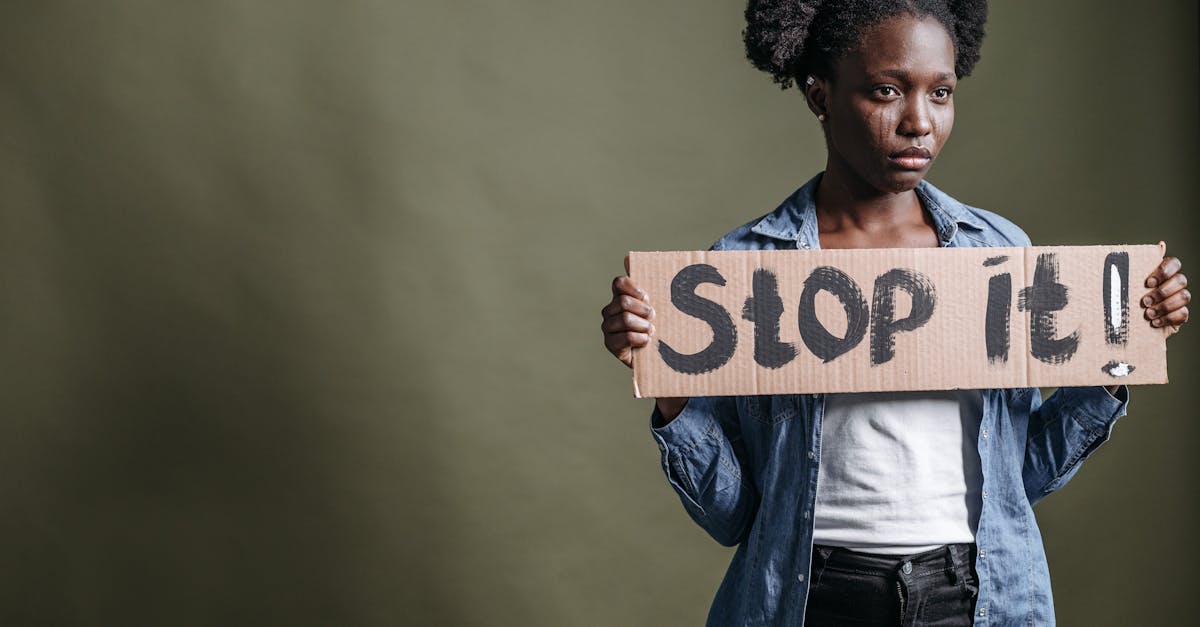
Disproportionate media coverage and global outrage 📉
Use of misery as a tool for political and geopolitical manipulation ⚖️
Discover the concept of injustice, its manifestations in society, and its impact on individuals and communities.
The Inalienable Respect for Human Dignity: An Ethical Foundation in the Face of Barbarity
On a moral level, the recognition of basic human rights constitutes an indisputable foundation. Gaza, where the very security of civilians is systematically violated, illustrates this disconnect between universal principles and concrete realities. The civilian population becomes a variable to be adjusted, where respect for their dignity is superseded by strategic or political calculations.
In Madagascar, it is the very conceptualization of this dignity that is undermined. When 75% of the population lives below the poverty line, the majority of Malagasy people are relegated to the status of mere statistics in a system that prioritizes the interests of elites or foreign economic interests. The disconnect from the inalienable value of each person, as Kant reminded us, reveals a serious moral failing in our societies.
| This denial of human dignity fuels a two-tiered dehumanization: that of Gaza, facing a mass war, and that of Madagascar, where the lack of healthcare has become a way of life. The ethical task is to remind everyone that every life deserves respect and protection, regardless of its geopolitical or social context. The fight for this dignity is not an option, but a collective duty whose stakes transcend national borders. | Inequality and Everyday Violence: The Hidden Face of Our Societies | |
|---|---|---|
| What is often overlooked is this structural violence in Madagascar and other impoverished regions. Unlike the dramatic images from Gaza, these silent injustices spread through inequalities that deepen social divides. Famine, lack of access to healthcare, and environmental degradation are their most extreme manifestations. | Poverty then becomes a silent weapon, killing slowly, and just as surely as the bombings in Gaza. The difference lies in visibility: a war is visible; Famine is palpable, if one pays attention. Tolerance of this invisible violence stems from a lack of ethics, a calculated indifference that leads to the marginalization of poor populations, relegated to a subhuman status. | |
| Key Factors | Consequences | Possible Responses |
| Economic Disparities ✨ | Increased Poverty and Social Inequality ⚠️ | Profound Reforms in Social Policies and Wealth Redistribution 🛠️ |
Lack of Access to Water and Healthcare 💧
Premature Deaths and the Development of Epidemics 🔬
Massive Investments in Public Health and Hygiene 🏥

Citizen Mobilization and Concrete Actions to Strengthen Global Ethics ✊
Towards Genuine Solidarity: Moving Beyond Emotion to Responsible Action
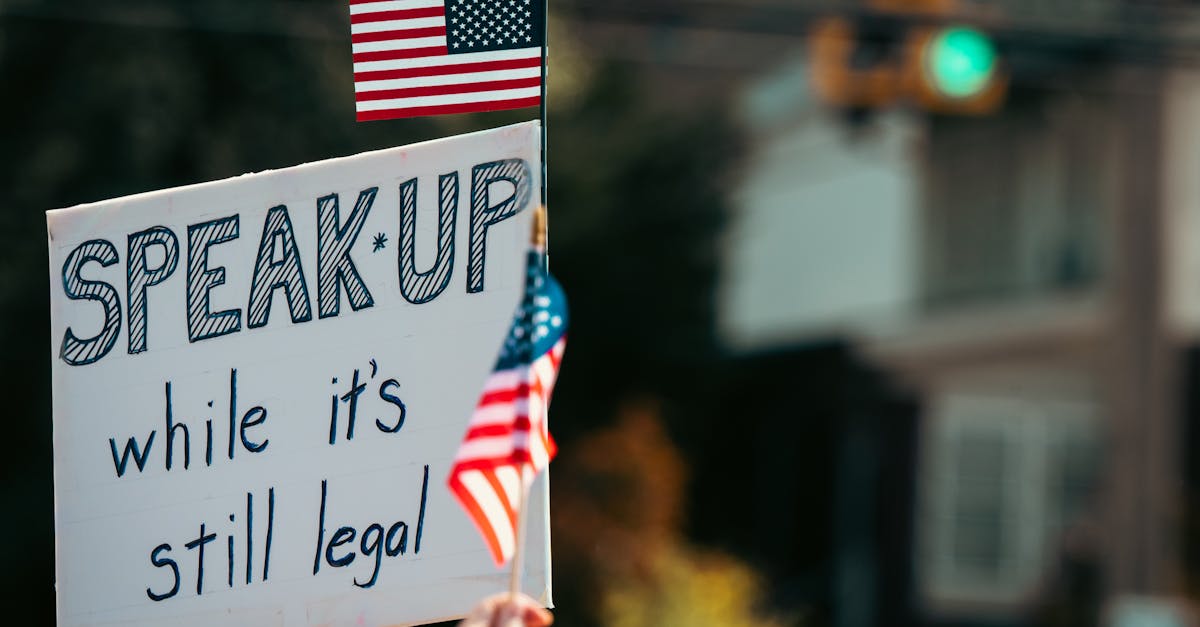
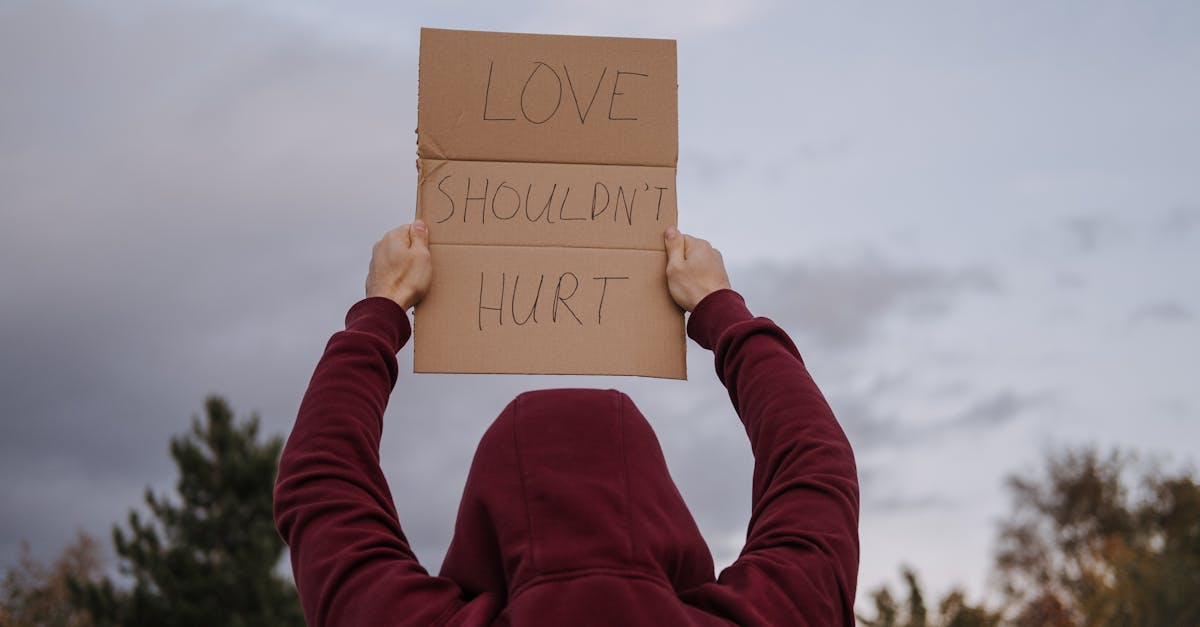
It is not enough to express emotional outrage at the atrocities in Gaza or Madagascar. True solidarity means taking action, transforming feelings of powerlessness into concrete steps. This implies rethinking our relationship to justice, integrating a global perspective that recognizes every human life as an end in itself.
From this perspective, genuine solidarity cannot be limited to empty rhetoric or superficial symbols. It demands bold decisions, whether political or civic. For example, in Africa, cultural and social movements, such as the Malagasy fihavanana, remind us how local solidarity can foster an immediate awareness of injustice. International mobilization must also be based on consistency between proclaimed values and concrete actions, whether through awareness campaigns or investments in education and health.
Discover everything about injustice: its causes, its impacts, and how to fight it for a more equitable society.
Political and civic responsibilities: transforming outrage into lasting change
Governments have a crucial responsibility in the face of these injustices. Whether in Gaza or Madagascar, implementing courageous policies to reduce inequality, promote peace, and strengthen human rights is an urgent necessity. Some leaders, however, prioritize superficial stability over structural reforms, thus fueling citizen frustration.
For their part, citizens have an equally crucial role. Mobilization, involvement in associations, and participation in grassroots actions are levers for shifting collective consciousness. Solidarity also requires that each of us accept changing our habits, particularly by questioning resource consumption, supporting local initiatives, and demanding complete transparency in the management of aid and public policies.
Should we then limit ourselves to fleeting indignation or consider history as a shared project of transformation? The answer can only be yes, because only collective and sustained action can reverse the current trend and heal a wounded humanity.
FAQ
How can we take concrete action against injustices in Gaza and Madagascar?
Découvrez notre guide complet — destinations, budget, visa, faune et conseils pratiques pour préparer votre voyage.

📖 Vous aimerez aussi

Transition à Madagascar : la société civile et la Génération Z face aux doutes sur le « Programme de la Refondation »
3 March 2026
Fermeture de l’aéroport de Dubaï : chaos et désarroi chez les voyageurs bloqués
2 March 2026