

On the island of Madagascar, a tense and murky political atmosphere is taking hold as new elections approach, with President Andry Rajoelina seemingly envisioning a future where his political trajectory could extend beyond the constitutional limits he is theoretically bound to respect. In a context where Malagasy democracy is under immense strain, amidst official denials and ambiguous statements, questions about the legitimacy and respectability of the electoral processes are becoming increasingly urgent. The head of state, often portrayed as a man of challenge and ambition, leaves his true intentions shrouded in doubt, fueling speculation about a possible constitutional amendment or a revision of the presidential term scheduled for 2028. Between communication strategies, social tensions, and regional issues linked to his role as head of the Southern African Development Community (SADC), the situation in Madagascar illustrates one of the major challenges in consolidating a fragile democracy in Africa—a challenge whose outcome could affect not only Madagascar but also regional stability. The question is: how far will Rajoelina’s determination to remain in power go, and what will the consequences be for the country’s governance and national democratic balance?

The stakes of a future presidential term for Madagascar: crisis or stability
The discussions surrounding a potential third term for Andry Rajoelina are not mere campaign rhetoric or political maneuvering. They highlight a central issue for all Malagasy stakeholders: maintaining political stability against the temptation to manipulate the existing democratic framework. The primary fear lies in the possible revision of the constitution, a process often denounced as a strategy to strengthen a president’s personal power during a crisis. The current situation illustrates how the dynamics of Malagasy politics, subject to constant pressure between popular demands and the interests of those in power, necessitate a thorough assessment of the consequences of such a move. Stability in the face of an uncertain electoral cycle could lead to institutional or civil crises if it is not governed by clearly respected rules. Consequently, it is vital to analyze the legitimacy of this strategy to prevent the precarious context from further weakening Malagasy democracy.
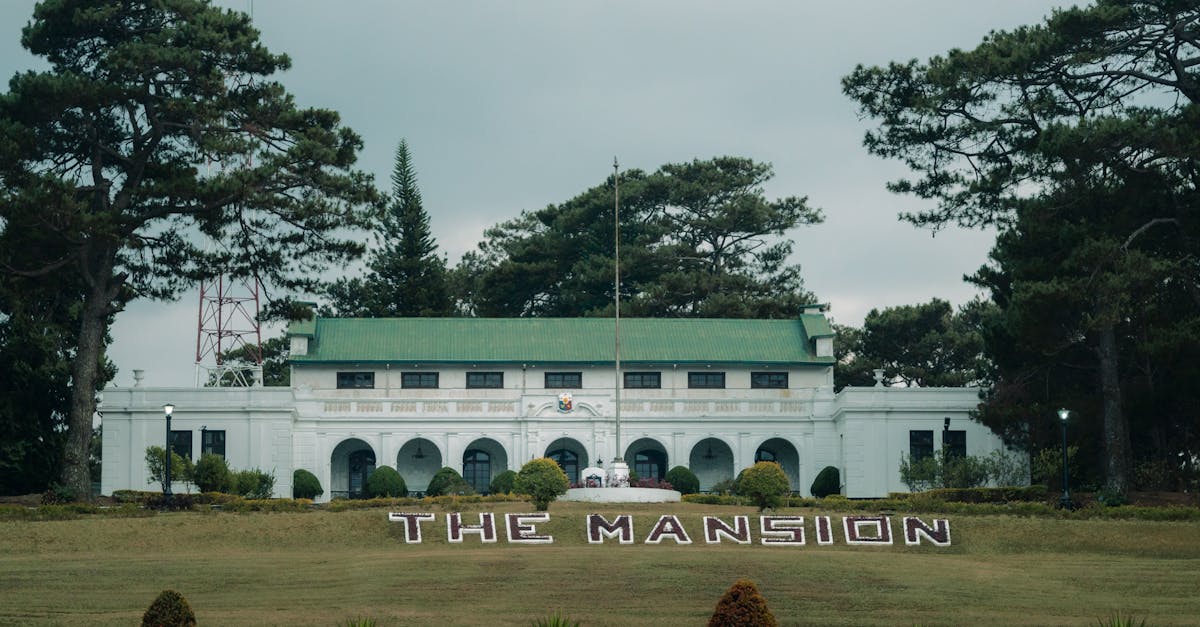
Discover everything you need to know about the presidential term: its duration, powers, responsibilities, and implications for governance.
The claim for a third term, even if officially denied by the president’s entourage, raises significant questions about governance. Domestically, this potential maneuver further divides an opposition already weakened by accusations of corruption, social divisions, and a growing sense of uncertainty about the political future. On the regional stage, Madagascar’s position within the African community remains crucial, particularly in the context of Rajoelina’s SADC presidency. Madagascar’s stability directly influences regional cohesion, the fight against humanitarian crises, and the promotion of sustainable development. Cohesion among SADC members, especially in consolidating the energy transition and industrialization, could suffer if the local political crisis worsens or if institutional changes undermine national democracy. Rajoelina’s strategies, whether perceived as a response to a desire to preserve power or as an impetus to restructure the political order, must be understood in light of their impact on regional balance and the credibility of the democratic process.
| Discover everything you need to know about the presidential term: duration, powers, responsibilities, and challenges related to the presidential office. | The implications of constitutional change for democracy in Madagascar | The debate surrounding constitutional revision is intensifying in the face of unofficial statements and ambiguous rhetoric circulating within Madagascar’s political circles. Amending the constitution to allow a sitting president to run for another term, especially given that contested elections have already undermined the credibility of past elections, is a major issue that could trigger an unprecedented democratic crisis. The national and international community agree that this move could further destabilize the institutional balance, fostering a political culture of constantly changing the rules of the game. The legitimacy of leaders and institutional stability are thus directly challenged, particularly at a time when civil society and various NGOs, such as Transparency International, are denouncing a regression of fundamental democratic principles. The question remains: are we not risking paving the way for populist or authoritarian power, at the expense of a democracy that should, above all, guarantee citizen participation and respect for the rule of law? |
|---|---|---|
Key Factors |
Potential Impacts Regional Implications |
Constitutional Revision 🚧 |
| Political Instability 🔻 |
Democratic Fragility 🌍 |
Social Pressures ⚠️ |
| Social Conflicts 🔥 |
Humanitarian Crisis 🌱 |
International Support 🌐 |
Recognition or Isolation
❓
Impact on Credibility
🏛️
Communication Strategies and Their Influence on Public Opinion in Madagascar
The political context in Madagascar demonstrates an increased use of communication strategies to shape public opinion. Official communication, particularly from government representatives, often emphasizes stability, transparency, and the need to continue efforts to develop the country. However, behind the scenes, smear campaigns, information manipulation, and even censorship fuel a climate of uncertainty among the population. In this context, many observers question Rajoelina’s true intentions, as he must balance his public statements to reassure the public while maintaining a firm stance on his political ambitions. Communication thus plays a strategic role in moderating or exacerbating tensions, especially in a climate where civil liberties oscillate between restriction and demands. This dual communication strategy amplifies the impact of official pronouncements and alters Malagasy society’s perception of power, directly influencing the already complex electoral dynamics in Madagascar.
- The risks of controlled communication in the face of popular movements
- Controlled or biased communication raises the issue of freedom of expression, which is essential to democracy. The repression of freedom of opinion or censorship, if it persists, could fuel public anger or strengthen protest movements. The demonstration organized by the NGO Transparency International on World Democracy Day is a testament to this, showing a growing discontent with a situation where political discourse has become overly circumspect. The speed with which national and international opinion can react to these communication strategies often undermines the official narrative, revealing the fragility of the democratic consensus. In this context, it is essential that the Malagasy government, while carefully managing its messages, ensure a space for pluralistic expression. Democracy, in reality, must never become a facade behind which strategies for consolidating power are concealed. Transparency remains an indispensable pillar for legitimizing any future process, whether it involves a new term or constitutional reforms in a volatile regional context.
- The economic and social impacts of a future extended presidential term
The economic stakes linked to this uncertain political situation extend far beyond the national level. Madagascar, undergoing rapid transformation with its regional development programs, must confront a climate crisis, economic vulnerability, and major social challenges. The potential advancement of a third term for Andry Rajoelina could nevertheless strengthen short-term stability by offering a degree of continuity in the governance of flagship projects. However, this continuity must not be synonymous with stagnation or increased corruption, lest it undermine investor confidence and weaken economic growth. A list of priority actions appears crucial for revitalizing the country:
Support for local agriculture and industrialization 🌽
Strengthening of energy infrastructure ⚡
Improvement of social and educational conditions 📚
Combating corruption and poor governance 🛑
https://www.youtube.com/watch?v=rL6O1zCpo-c The next challenges for Madagascar on the regional and global stage At the regional level, Madagascar must navigate an increasingly complex geopolitical environment, where its political choices will have to reconcile sovereignty, regional partnerships, and international power dynamics. The position of the Malagasy head of state at the head of the SADC, particularly at the last summit, must be accompanied by a clear strategy to strengthen continental autonomy. The desire to promote strong industrialization, as well as the energy transition, is part of this logic. However, this momentum is likely to be hampered if Madagascar positions itself as an unstable state or if internal crises overshadow governance. Political stability therefore remains essential to attract foreign investment, support growth, and sustainably benefit all spheres of Malagasy society. In a global context marked by new climate and security challenges, Rajoelina’s ability to unite all institutional, economic, and civic actors will appear as the key to Madagascar’s success or failure on the African and international stage.The stakes of sovereignty and regional cooperation
“National sovereignty” remains a core principle for Madagascar, which must balance establishing strong governance with meeting the expectations of inclusive regional development. Increased cooperation with Africa, particularly through the implementation of SADC programs, could become the cornerstone of sustainable development. However, this strategy must be accompanied by strengthened security, political stability, and a clear commitment to democracy. Achieving these objectives will require genuine collective commitment, centered on a shared project to build a region resilient to global crises. Rajoelina’s recent accession to the SADC presidency demonstrates his desire to play a leading role in this dynamic, but the risks associated with internal political instability could jeopardize this ambition. Regional stability, as well as Madagascar’s credibility, will depend on the ability to maintain a balance between national sovereignty and continental solidarity.
https://www.youtube.com/watch?v=2ncd80NWSRA
The Role of Civil Society and the Media in the Malagasy Political Context
Civil organizations and the press play a crucial role in shaping public opinion during times of crisis or change. In Madagascar, civil society, through its NGOs, such as
the electoral reform platform
defends transparency and democracy against attempts to manipulate or seize power. Freedom of the press remains a major issue, as it is essential for transparency in the political process. When it is hindered or controlled, the population loses confidence in its representatives, which can fuel protest or disillusionment. Combating disinformation and building a space for pluralistic expression seem crucial today for preserving democratic foundations. Civil society and the media must continue to play their role of vigilance, information, and encouraging citizen participation to counter a government that sometimes tries to stifle the voice of the people under the pretext of stability or development. The independent press thus constitutes a valuable bulwark against any authoritarian temptation, particularly during the sensitive period of constitutional reforms.
The risks associated with increased media polarization
Excessive polarization in information processing could further weaken the social fabric of Madagascar. The spread of misinformation, the manipulation of official narratives, and the marginalization of dissenting voices, especially in a climate of already fragmented public opinion, risk fueling conflict and mistrust. The press must therefore prioritize accuracy, independence, and responsibility to guarantee reliable information that serves the public interest. Transparency in the electoral process, particularly in communication regarding Andry Rajoelina’s political future, is crucial. The credibility of the democratic process also rests on the media’s commitment to objectivity, even in a context of heightened tension. Malagasy democracy must therefore address this dual challenge: preserving freedom of expression while avoiding becoming fertile ground for extremism or populist rhetoric.
Prospects for Madagascar’s future: between democratic trajectory and power struggles
As the coming period looks crucial for Madagascar’s political stability, the central issue lies in respecting institutions and consolidating democracy. President Rajoelina, presented as a strategic player, must demonstrate that he prioritizes sustainable development over power at any cost. The Malagasy constitution, even if weakened by manipulation or attempts at revision, remains the benchmark for guaranteeing a credible electoral process. Civil society, strengthened by its constant vigilance, remains a key player in defending democratic principles. The international community, for its part, will undoubtedly exert significant influence, whether by encouraging dialogue or by sanctioning any authoritarian drift. Stability, transparency, and citizen participation will be the pillars capable of making Madagascar an exemplary nation in terms of governance. The path to a consolidated democracy, even in times of crisis, requires solidarity from all to ensure a peaceful political transition for the benefit of future generations. What is Andry Rajoelina’s true intention regarding his next term? Official statements indicate that the president is focused on development, but certain indicators and unofficial statements fuel doubts about a possible intention to seek a third term.
What risks could a constitutional revision pose to democracy in Madagascar?
Amending the fundamental texts, in a context where democratic transparency is already compromised, could pave the way for an authoritarian drift, with serious consequences for the country’s stability and governance.
How can Madagascar strengthen regional stability in the face of its internal challenges? By strengthening its institutions, respecting its democratic commitments, and mobilizing active and transparent regional cooperation, Madagascar will be better able to overcome its internal crises while remaining a credible actor on the African stage.
🔗 Sources & références
Pour aller plus loin, consultez les sources citées dans cet article :
Découvrez notre guide complet — destinations, budget, visa, faune et conseils pratiques pour préparer votre voyage.

📖 Vous aimerez aussi

Transition à Madagascar : la société civile et la Génération Z face aux doutes sur le « Programme de la Refondation »
3 March 2026
Fermeture de l’aéroport de Dubaï : chaos et désarroi chez les voyageurs bloqués
2 March 2026


