
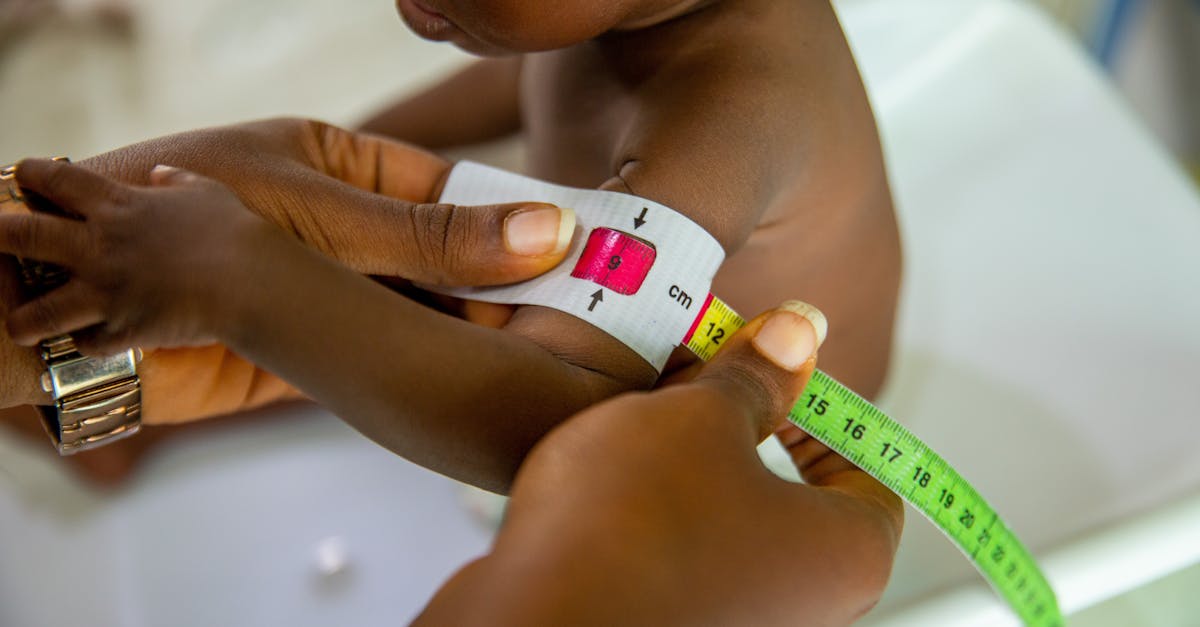

Baccalaureate endurance tests in Madagascar: a mirror of youth vulnerabilities in times of crisis
Amid the economic and health constraints facing Madagascar in 2025, national exams, particularly the baccalaureate endurance tests, stand out as critical periods. Beyond their academic dimension, these tests highlight deep-rooted social issues, where malnutrition among young people stands out as a major challenge. Persistent nutritional deficiencies, exacerbated by a fragile economic situation, weaken the bodies and minds of candidates, revealing a close link between education, health, and community support. The situation requires an adaptation of educational and health strategies, better oriented toward prevention, rehabilitation, and the promotion of a sustainable nutritional balance. National awareness must extend to stronger solidarity, an improvement in the living environment, and a joint mobilization to overcome these complex crises. A clear-eyed look is therefore required to understand how these tests, beyond a simple academic challenge, become a revelation of the socioeconomic and health vulnerabilities of young Malagasy people.
Health issues related to malnutrition among young people facing the baccalaureate exams
The challenges young people face during the baccalaureate endurance tests reflect a rapidly evolving public health issue. Malnutrition, which remains a key concern in Madagascar, is both a cause and a consequence of chronic food insecurity. Recent data shows that in 2023, a significant proportion of young people will suffer from a deficiency in essential nutrients, which impacts their cognitive ability, physical endurance, and responsiveness during the physical exercises required by these tests. This situation directly hinders their academic success and overall development. Food insecurity, exacerbated by the lack of effective prevention policies, risks becoming a backdrop for increased educational and social disengagement. Key Factors
| Description | Direct Impacts | Nutritional Deficit |
|---|---|---|
| 🍚 Deficiency in essential proteins, vitamins, and minerals | Muscle weakness, fatigue, concentration problems | Food Insecurity |
| 🛑 Irregular or insufficient access to a balanced diet | School dropout, developmental delay | Overburden of malnutrition-related diseases |
| 💉 Malaria, anemia, digestive diseases | Increased absences and decreased performance | Support strategies must prioritize improving nutrition policies, particularly through awareness-raising activities, the distribution of solidarity meals, and nutritional rehabilitation programs. Coordination between government actors, NGOs, and communities must be strengthened to ensure an appropriate and sustainable response. Prevention is key to limiting the impact of malnutrition, but it requires collective awareness and strong political will. Given these challenges, the link between health and education must be redefined to ensure young people a future where their harmonious development becomes a national priority. |
Nutritional Deficiencies as a Reflector of Social and Territorial Inequalities in Madagascar
In-depth analyses of the situation in Madagascar highlight that malnutrition not only affects individual health but also serves as an indicator of deep social and territorial inequalities. Rural areas, often marginalized in terms of access to health services and a balanced diet, have an alarming rate of young people suffering from nutritional deficiencies. Furthermore, poverty persists as a barrier to education and effective community support. Families in precarious situations are severely lacking the means to ensure a diversified diet adapted to the needs of their offspring. This social divide is evident during these baccalaureate exams, where candidates from vulnerable backgrounds struggle to maintain their physical and mental endurance, particularly during tests requiring intense mobilization.
To address these inequalities, an integrated policy involving the adaptation of solidarity and nutrition programs, as well as the strengthening of local agriculture and access to drinking water, is imperative. The rise of community-based initiatives, supported by the private sector and international institutions, could foster coherent and sustainable inclusion, aimed at reducing these gaps and ensuring every young person has a fair chance at academic and personal success.
Adaptation strategies in the face of the nutrition crisis and their impact on academic performance
Faced with the urgent food crisis, several initiatives have been implemented to strengthen the resilience of young people in their academic careers. Among these, promoting a balanced diet through the implementation of school programs that include nutritious meals is a crucial step. These initiatives, often supported by partnerships between NGOs and local authorities, aim to improve students’ health and exam attendance. 🔧 Strengthening food distribution infrastructure in rural schools
- 🎯 Prioritizing awareness campaigns on balanced diets
- 🛡️ Implementing a chronic malnutrition prevention policy
- 🤝 Increasing community support through the training of local leaders and volunteers
- However, these actions cannot be limited to a one-off response; a comprehensive adaptation strategy must be built on a foundation of rehabilitating health and education systems. Prevention, particularly through the diversification of local crops and improving food security, would reduce the vulnerability of young people and pave the way for better performance in these challenges.
The role of public policies in the fight against juvenile malnutrition and educational success
The political measures adopted in Madagascar to alleviate the malnutrition crisis find their effectiveness in their ability to bring together all the actors concerned. Coordination between ministries of Health, Education and Agriculture must be strengthened to establish a coherent and sustainable policy. The implementation of national programs, focused on prevention, nutrition, solidarity and awareness, represents an essential lever to stem the alarming trend.
The examples of success in certain districts demonstrate that this integrated approach can bear fruit, if the political will is accompanied by sufficient financial resources. The regulation of food markets, the development of sustainable local agriculture and community awareness must be part of a logic of collective support. Educational success, tested during examinations, therefore depends largely on the capacity of institutions to guarantee an environment where health and education mutually reinforce each other.
Community actions and solidarity support to strengthen the resilience of young Malagasy people
At the local level, solidarity constitutes a precious resource to compensate for food insecurity and the lack of infrastructure. Initiatives such as solidarity meals, listening centers and community awareness programs play a decisive role in promoting an environment conducive to academic success. These citizen movements also encourage food diversification and local autonomy.
🤝 Organization of solidarity meals in rural areas
- 🌱 Participatory agricultural initiatives to improve food security
- 🧠 Awareness-raising workshops on balanced nutrition and mental health
- 🗣️ Mobilizing local leaders to support young people in their educational journey
- To strengthen this collective commitment, networking these actions, combined with effective communication, would be a source of lasting change. The active participation of families, teachers, and local stakeholders must continue to be encouraged to build a supportive society, where every young person has the opportunity to realize their potential despite adversity.
Outlook and the future in Madagascar: building a more resilient society in the face of food crises
The situation in Madagascar requires a long-term vision, centered around a sustainable nutritional transition. The future of Malagasy youth lies in a collective capacity to integrate nutrition, health, and education into a new development dynamic. Investments in improving health, agricultural, and educational infrastructure must be stepped up, creating synergies between local, national, and international stakeholders. Concrete actions such as poverty reduction, crop diversification, raising awareness about a balanced diet, and improving governance are essential levers for transforming this crisis into an opportunity. The success of this transition also requires political commitment, community mobilization, and strengthening solidarity aimed at preserving the health and educational success of young people in the face of unprecedented environmental and socioeconomic challenges.
Source:
www.rfi.fr
Découvrez notre guide complet — destinations, budget, visa, faune et conseils pratiques pour préparer votre voyage.

📖 Vous aimerez aussi

Transition à Madagascar : la société civile et la Génération Z face aux doutes sur le « Programme de la Refondation »
3 March 2026
Fermeture de l’aéroport de Dubaï : chaos et désarroi chez les voyageurs bloqués
2 March 2026


