


In 2026, the African continent, and Madagascar in particular, demonstrated a renewed commitment to transforming its institutional systems through profound political reform. The signing of a major agreement at the National Conference of Political Parties, illustrating this dynamic, occurred within a context marked by popular demands, social crises, and an urgent need for reform to guarantee the stability and legitimacy of the state. This conference, considered a catalyst for political cooperation, brought together a multitude of actors from the political, civil, and social spheres to collectively reflect on fundamental reforms. At the heart of this approach lies a clear objective: to renew the democratic pact, strengthen citizen participation, and envision more effective and inclusive governance. Mobilized to streamline the institutional architecture, a decisive step was the dissolution of several key bodies, such as the Senate, the National Assembly, and the government. These radical measures, often perceived as controversial, are part of a strategy aimed at breaking the cycle of crisis and establishing an environment conducive to reform. This action symbolizes a desire to turn the page on a past marked by dysfunction and a crisis of confidence, in order to build a solid and lasting democratic process. The creation of a High Authority for Refoundation (HAR), at the head of the process, underscores this ambition to lead an orderly transition, under the supervision of respected leadership committed to the reform path.
The strategic axes of political refoundation at the National Conference of Parties
The 2026 National Conference of Political Parties established a clear framework for political reform, with concrete proposals aimed at meeting popular expectations while consolidating institutional stability. Among these priorities were the establishment of a renewed executive branch, a substantial reduction in the number of high-level state institutions, and the implementation of new electoral rules. These reforms aim both to strengthen the credibility of the democratic process and to limit excessive financial contributions to election campaigns, in the interest of transparency and fairness.
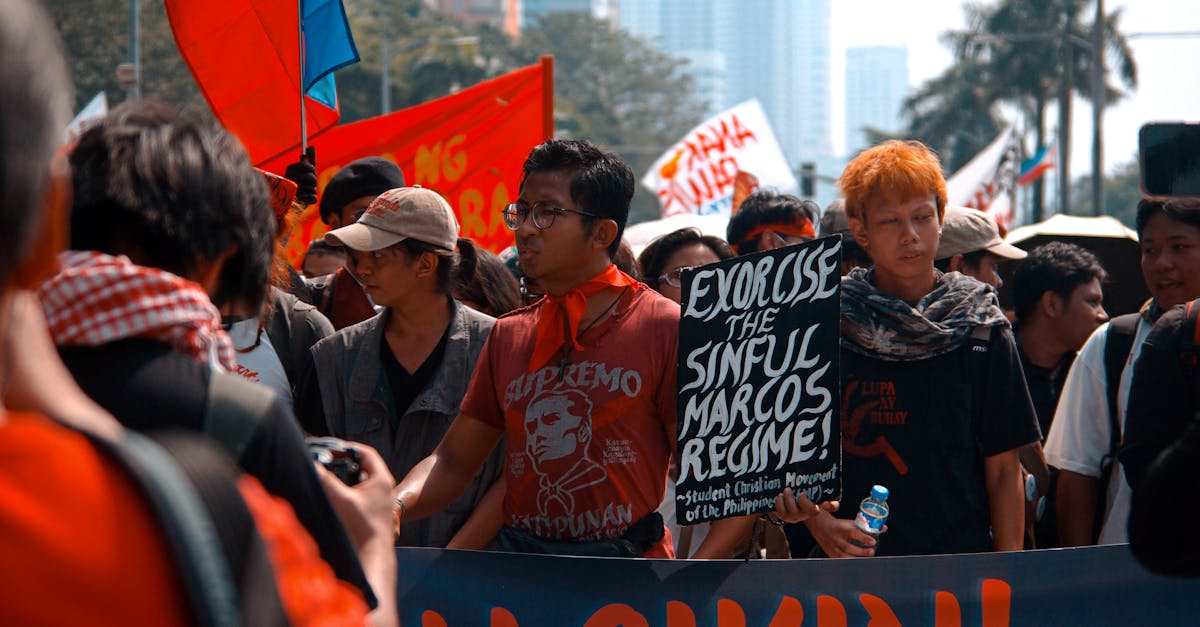
Discover the challenges and prospects of the political reforms designed to improve governance, strengthen democracy, and promote social justice.
A key step in this process was the signing of a reform agreement, in which 103 political parties jointly decided to break with the old institutional architecture. The elimination of the Independent Anti-Corruption Bureau (BIANCO), the Financial Intelligence Unit (SAMIFIN), and the Anti-Corruption Agency (PAC) is being considered to make institutions more accountable and committed to the rule of law. Moreover, the transition to a High Court of Refoundation (HCR) for justice, replacing the High Constitutional Court, demonstrates a commitment to balancing powers and ensuring an independent judiciary serving the public interest.
An accelerated transition: key measures and a strict timetable for effective reform.
The timeframe established by this agreement provides for a three-year transition period, with the possibility of a one-year extension. This raises the issue of effectively managing this pivotal period, particularly through the formation of a national unity government with limited responsibilities, operating within a context of profound reforms. The creation of a revamped electoral framework stipulates eligibility exclusively for Malagasy citizens running as candidates through political parties, in a context of combating populism and electoral manipulation.

The major challenges of the refounding: between popular expectations and institutional realities
The rejection of the old system has generated unprecedented civic mobilization. Many citizens hope to finally see a solid political overhaul materialize, capable of responding to legitimate aspirations such as social justice, transparency, and democratic participation. However, this ambition must contend with the complexity of institutional challenges, the diversity of political parties, and resistance to change. Inter-party collaboration, the true cornerstone of transformation, requires a genuine process of listening to overcome divisions and build a broad consensus.
| Discover the challenges and prospects of political reforms aimed at improving governance and strengthening democracy. | Furthermore, the implementation of these reforms involves crucial steps. Coordination between civil and political actors, transparency in resource management, and national reconciliation must be carefully managed to prevent the proposed solutions from being perceived as artificial or disconnected from the realities on the ground. | |
|---|---|---|
| Impact of political reforms on the socio-economic context | Beyond the institutional dimension, political restructuring also implies a profound reconfiguration of the economic and social framework. Institutional stability, by restoring confidence among investors and international partners, should foster economic recovery. Inter-party cooperation, by ensuring coherent and effective governance, will become an essential lever for achieving sustainable investments in key sectors such as agriculture, education, and infrastructure. | |
| Theme | Objectives | Main Actions |
| Institutional Reforms | Strengthening Legitimacy and Transparency | Abolition of obsolete bodies, creation of a High Court, revision of electoral laws |
Electoral Reform
Preventing Manipulation and Guaranteeing Fairness
Exclusive candidacy for Malagasy citizens, capping of electoral spending
Justice and Legitimacy
Ensuring Judicial Independence
Replacing the High Constitutional Court with a High Court of Refoundation
What is the main challenge of the political refoundation in 2026?
The main difficulty lies in balancing institutional renewal while obtaining broad political and civic consensus to guarantee lasting stability.
Découvrez notre guide complet — destinations, budget, visa, faune et conseils pratiques pour préparer votre voyage.

📖 Vous aimerez aussi

Transition à Madagascar : la société civile et la Génération Z face aux doutes sur le « Programme de la Refondation »
3 March 2026
Fermeture de l’aéroport de Dubaï : chaos et désarroi chez les voyageurs bloqués
2 March 2026


