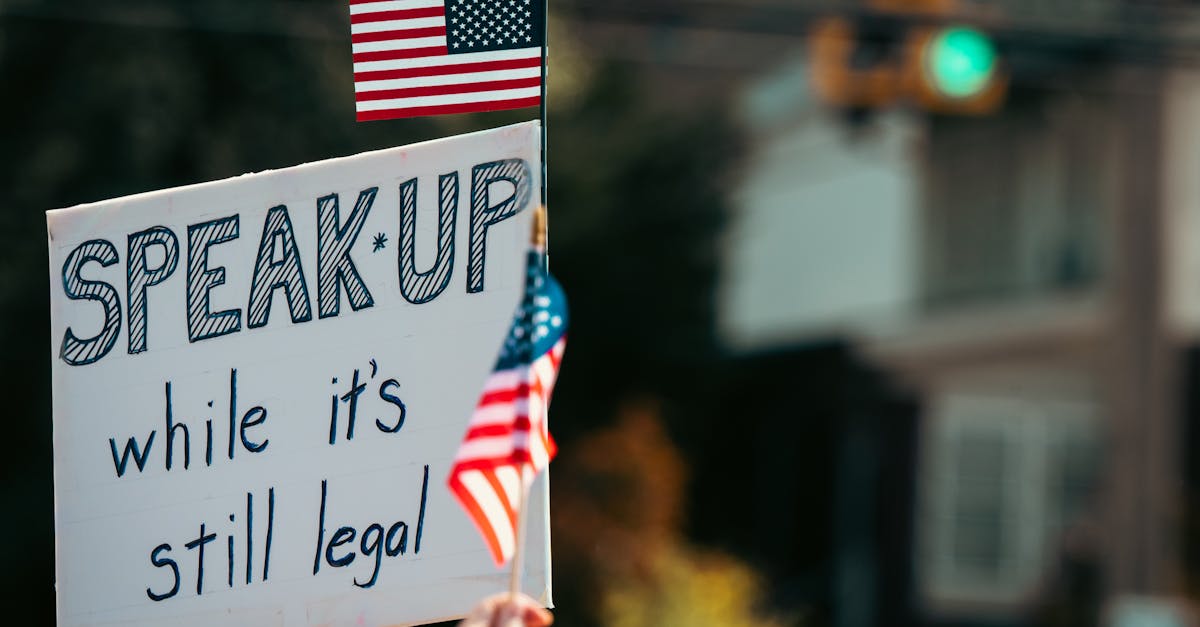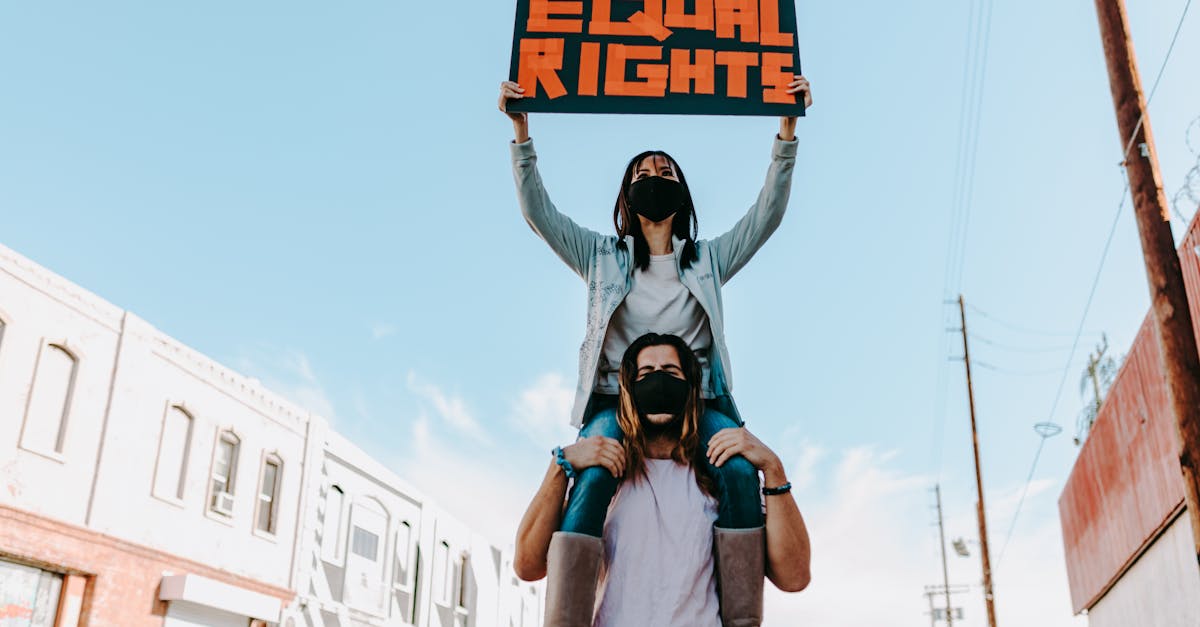

For several weeks, Madagascar has been gripped by social unrest reflecting a deeply fragmented political landscape. Malagasy youth, particularly Generation Z, have risen up to express their concerns about a government perceived as disconnected and incapable of meeting the population’s basic needs. This mobilization, which has shaken the capital Antananarivo and spread to other major cities, highlights a generational divide between a demanding youth and staunch supporters of President Andry Rajoelina. The situation, marked by escalating violence and deaths, raises questions about the institutions’ ability to manage social discontent while offering a glimpse into the transformation of political dynamics in Madagascar in 2026. Faced with this context, two camps are openly clashing: on one side, a youth determined to make its voice heard to defend its rights and aspirations; on the other, a loyal opposition, faithful to the head of state, mobilized to maintain stability and reaffirm its support for a controversial leader. Between citizen demands, accusations of manipulation, and attempts at repression, Malagasy youth now represent a crucial issue for the country’s political future, requiring an in-depth analysis of their motivations, the stakes involved, and possible ways out of the crisis.
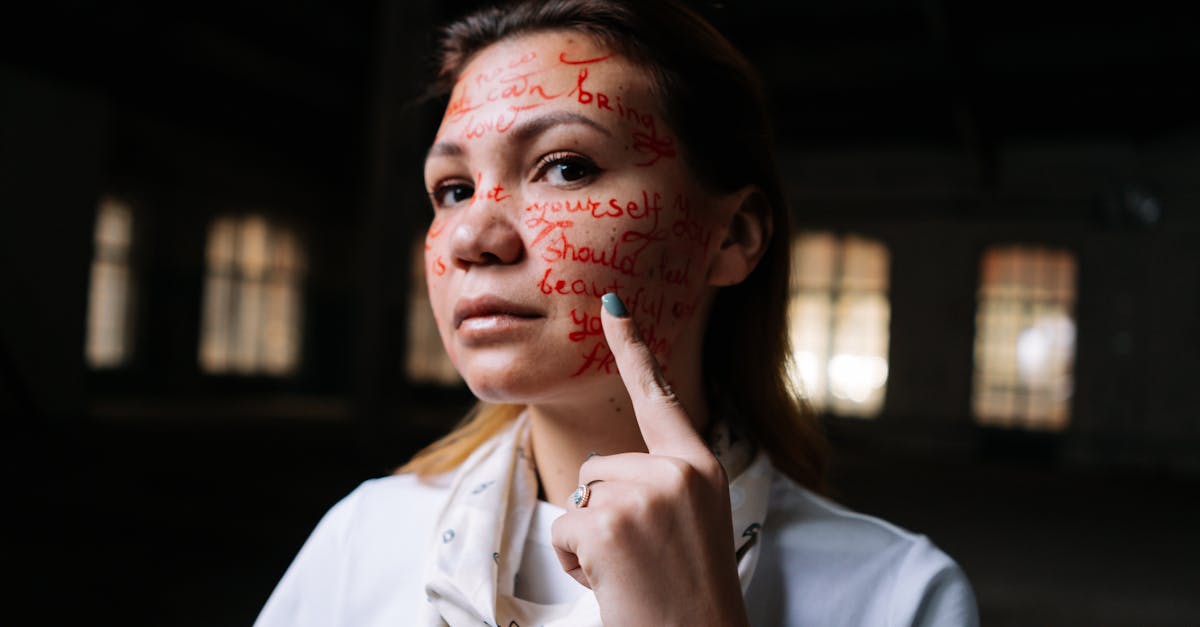
Discover youth demonstrations: causes, issues, and impacts of youth protest movements around the world.
Découvrez notre guide complet — destinations, budget, visa, faune et conseils pratiques pour préparer votre voyage.

📖 Vous aimerez aussi
Transition à Madagascar : la société civile et la Génération Z face aux doutes sur le « Programme de la Refondation »
3 March 2026
Fermeture de l’aéroport de Dubaï : chaos et désarroi chez les voyageurs bloqués
2 March 2026