
An Unprecedented Climate Tragedy: Madagascar Hit Hard by Cyclone Fytia
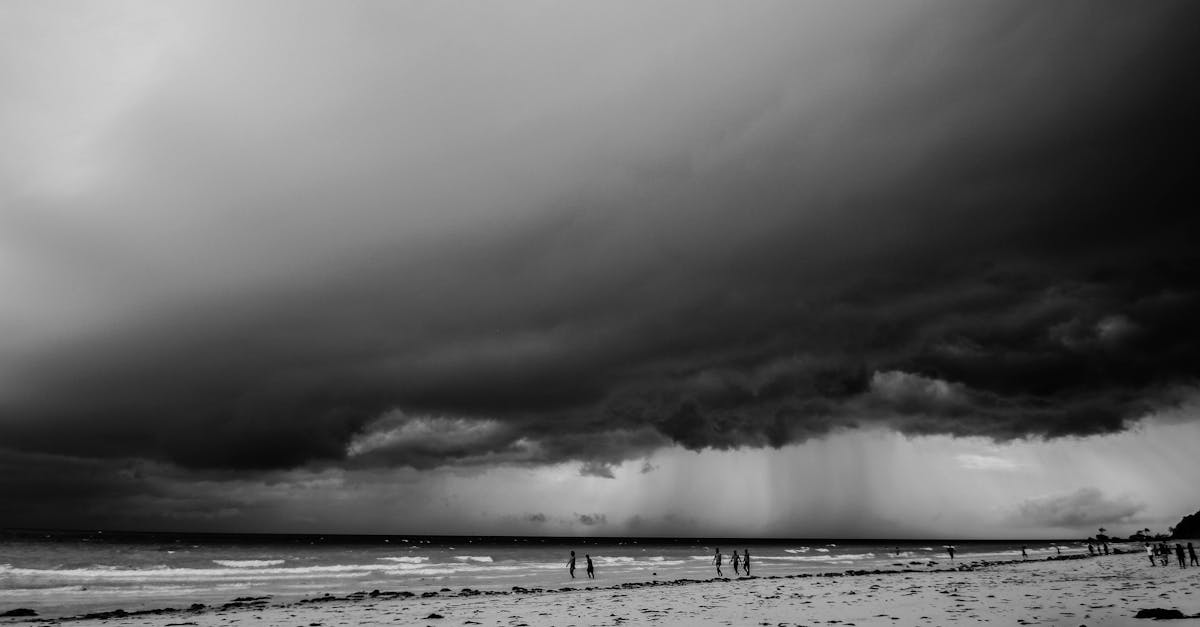
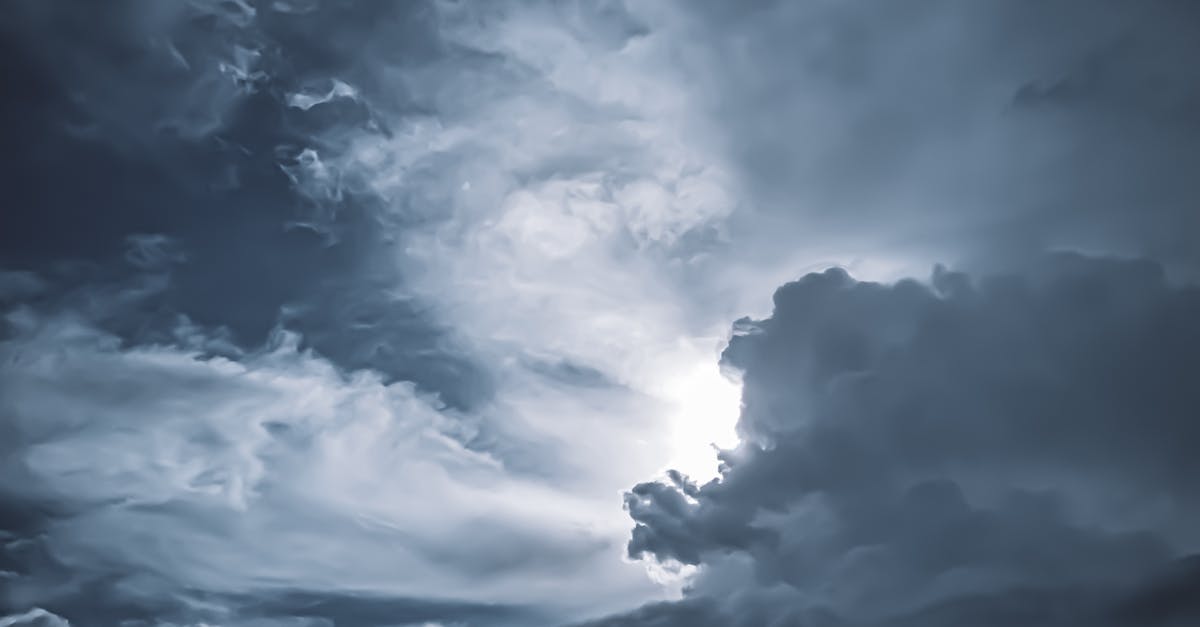
The beginning of 2026 was marked by an alarming intensification of climate events on the island of Madagascar. The passage of Cyclone Fytia, one of the most devastating tropical storms of the season, profoundly disrupted the lives of millions of people, leaving behind a heavy human and material toll. With at least 7 confirmed deaths and more than 54,000 people affected, this disaster underscores the growing vulnerability of regions to natural disasters exacerbated by global climate change. The northwestern regions, particularly the Boeny region, as well as Analamanga and Vakinankaratra, were especially hard hit, causing considerable damage to their infrastructure and environment. The current cyclone season, which lasts from November to April, appears increasingly unpredictable, making the management of life-threatening emergencies even more complex. As the international community begins to express its concern and solidarity in the face of this humanitarian crisis, the need for concerted and sustained action becomes an absolute priority for Madagascar, which is confronted with an acceleration of extreme weather events. The destruction of homes, schools, and roads, as well as the loss of agricultural land, exacerbates an already fragile situation, where access to drinking water and medical aid is severely compromised. Discover everything about cyclones: formation, impacts, prevention, and advice on how to protect yourself during these powerful weather phenomena. The human and material damage: a heavy cost for Madagascar in the face of Cyclone Fytia. The violence of Cyclone Fytia has triggered an unprecedented humanitarian crisis on the island, highlighting the devastating impact of an extreme weather event in an already vulnerable region. According to the latest report from the National Office for Risk and Disaster Management (BNGRC), the death toll has reached seven, including one person swept away by floodwaters in the Mahajanga region, and five others injured, demonstrating the intensity of the storm. These figures, while provisional, illustrate a painful reality: each life, each family affected, represents a personal tragedy compounded by a collective emergency. Furthermore, more than 54,000 people are living in precarious situations, forced to leave their homes, farmland, or schools. Thousands of vulnerable houses have been submerged or damaged, with 9,490 homes flooded, while others have been completely destroyed, leaving families without shelter. The destruction of vital infrastructure also has a lasting impact on access to healthcare, education, and essential services. This tragedy is part of a pattern where natural disasters are becoming increasingly frequent, fueling a spiral of poverty and marginalization.
Number
Impact Flooded Homes9,490 🏚️ Exposure to health risks and home closures Damaged Homes 1,291
| 🏚️ | Need for emergency repairs | Destroyed Homes |
|---|---|---|
| 1,465 | 💥 Mass displacement and need for temporary shelter | Total Homes Affected |
| approximately | 12,412 🏠 | Housing crisis and economic losses |
| Infrastructure in the crosshairs: the unsustainable cost of climate change | The devastating waves of Cyclone Fytia left behind a landscape of chaos, where essential infrastructure was severely damaged or destroyed. The Mahajanga region, particularly exposed during the storm, suffered the loss of several hundred classrooms, while more than a hundred were completely devastated or had their roofs torn off, making access to education a critical priority. The destruction of roads, both large and small, poses a major logistical challenge, hindering the movement of relief supplies and the distribution of humanitarian aid. Environmental fragility has also been exacerbated, with submerged farmland making it impossible for many families to resume agricultural activities. The degradation of essential infrastructure significantly increases Madagascar’s vulnerability to climate events. While rapid reconstruction efforts are underway, they require strategic planning and global mobilization to anticipate future episodes of drought or storms, the intensity of which is tending to increase due to climate change. | Discover everything about cyclones: their formation, impacts, safety measures, and tips for protecting yourself effectively during these powerful weather events. |
| Emergency response: national mobilization and international efforts in response to Cyclone Fytia In response to the devastating Cyclone Fytia, Madagascar immediately launched an emergency plan to assist the affected population, establishing emergency shelters and distributing relief kits. The President of the Republic’s visit from Analamanga to Mahajanga for a field visit underscores the scale of the crisis and the political will to act swiftly in this critical situation. Furthermore, international actors, including the United Nations and the French Development Agency (AFD), have already mobilized funds and teams to provide humanitarian assistance. Coordination between the Malagasy government and these partners is vital for an effective response, but various challenges remain, particularly regarding the delivery of aid to inaccessible or isolated areas. Strengthening local resilience through the implementation of more effective early warning systems, the construction of resilient infrastructure, and community education is a priority for better preparing for future extreme weather events. The situation also demonstrates the crucial importance of integrating climate issues into long-term strategic planning, particularly within the framework of the 2025-2026 cyclone season program. | Environmental risks and the increased vulnerability of Malagasy land to cyclones |
In a context of increasing extreme weather events, Madagascar faces considerable ecological vulnerability. Degradation caused by dynamic flooding leads to increased erosion, deforestation, and biodiversity loss, which in turn exacerbate the impact of future climate events. For example, the recent Ewetse storm, which struck the south of the country, already highlighted the importance of sustainable natural resource management. Massive deforestation, particularly in the Sahambava region, makes the land more susceptible to erosion, increasing the risk of landslides and watershed overload. The degradation of these fragile ecosystems limits Madagascar’s capacity to absorb the shocks of heavy rainfall or drought. Mobilizing efforts to preserve wetlands, mangroves, and tropical forests is becoming crucial to strengthening the island’s resilience to cyclone seasons and rising sea levels. Recognizing this reality must lead to intensified environmental policies at the national and regional levels.
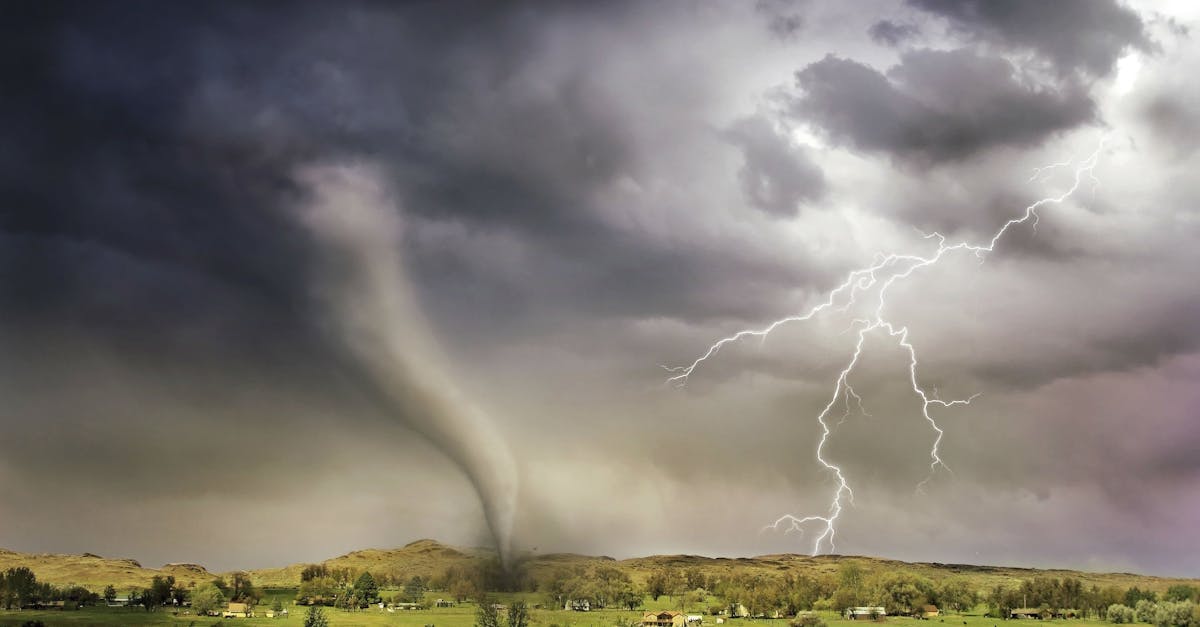
Local solidarity and resilience in the face of the climate crisis.
Despite the brutality of Cyclone Fytia, local solidarity was remarkably evident. Citizen initiatives, charities, and local communities spontaneously mobilized, organizing fundraising campaigns, and collecting clothing, food, and even medical supplies. These ad hoc responses demonstrate a vital community strength in the face of adversity. Solidarity was also championed by public figures, such as the president of the Refoundation party, Michaël Randrianirina, who personally visited the Mahajanga region to support the victims and coordinate aid. This collective mobilization, often informal, was further strengthened by the existence of a network of associations and by the solidarity driven by engaged young people on social media. This phenomenon reveals the importance of civil society in responding to natural disasters and underscores that strengthening community resilience must become a strategic priority for addressing future climate events. Challenges and prospects: building a resilient Madagascar in the face of future climate eventsAt the heart of the discussion now lies the need to establish a strategic plan to make Madagascar more resilient to cyclones, floods, and other climate disruptions. The complexity of this task lies in the ability to reconcile economic development, environmental protection, and food security. The development of more resilient infrastructure, particularly in schools, roads, and housing, is a fundamental step. Training local communities to better understand climate risks and preventative actions also represents a long-term solution. A thorough review of risk management policies, incorporating climate data from the 2025-2026 season, is essential to anticipate and mitigate damage. International cooperation must be intensified, especially given the increasing trend of extreme weather events. Awareness-raising and collective engagement, particularly among Malagasy youth, appear to be key drivers for a safer and more sustainable future. Such a process must also include consideration of adapting agricultural land and urban areas, within a framework of sustainable development and respect for overall ecological parameters.
Frequently Asked Questions about the Impact of Cyclone Fytia in Madagascar
What is the main damage caused by Cyclone Fytia in Madagascar?
How is the international community responding to this crisis?
Several organizations, including the UN and local partners, have launched humanitarian aid operations. Global coordination and the implementation of sustainable actions are crucial to providing relief to the affected population and strengthening local resilience.
What are the long-term challenges for Madagascar in the face of these climate events?
It is becoming imperative to integrate climate risk management into national planning, particularly by strengthening the resilience of infrastructure and adopting strict environmental policies. Public awareness and citizen engagement will play a key role in this transition.
What can be done to address the risks of flooding and drought?
{“@context”:”https://schema.org”,”@type”:”FAQPage”,”mainEntity”:[{“@type”:”Question”,”name”:”Quels sont les principaux du00e9gu00e2ts causu00e9s par le cyclone Fytia u00e0 Madagascar ?”,”acceptedAnswer”:{“@type”:”Answer”,”text”:”Le cyclone Fytia a provoquu00e9 la mort de sept personnes, fait plus de 54 000 sinistru00e9s, du00e9truit ou endommage des milliers de maisons et du00e9vaste les infrastructures essentielles comme les u00e9coles et routes. La situation nu00e9cessite une mobilisation immu00e9diate pour ru00e9pondre u00e0 lu2019urgence.”}},{“@type”:”Question”,”name”:”Comment la communautu00e9 internationale intervient-elle face u00e0 cette crise ?”,”acceptedAnswer”:{“@type”:”Answer”,”text”:”Plusieurs organismes, dont lu2019ONU et des partenaires locaux, ont lancu00e9 des opu00e9rations du2019aide humanitaire. La coordination globale et la mise en place du2019actions durables sont cruciales pour soulager la population affectu00e9e et renforcer la ru00e9silience locale.”}},{“@type”:”Question”,”name”:”Quels sont les enjeux u00e0 long terme pour Madagascar face u00e0 ces u00e9vu00e9nements climatiques ?”,”acceptedAnswer”:{“@type”:”Answer”,”text”:”Il devient impu00e9ratif du2019intu00e9grer la gestion des risques climatiques dans la planification nationale, en renforu00e7ant notamment la ru00e9silience des infrastructures et en adoptant des politiques environnementales strictes. La sensibilisation et lu2019engagement citoyen joueront un ru00f4le clu00e9 dans cette transition.”}},{“@type”:”Question”,”name”:”Que faire face aux risques du2019inondation et de su00e9cheresse ?”,”acceptedAnswer”:{“@type”:”Answer”,”text”:”Il est essentiel du2019adopter des stratu00e9gies de gestion durable des ressources, de ru00e9habiliter les zones humides, et de du00e9velopper des infrastructures ru00e9sistantes pour attu00e9nuer lu2019impact des phu00e9nomu00e8nes climatiques extru00eames.”}}]}It is essential to adopt sustainable resource management strategies, rehabilitate wetlands, and develop resilient infrastructure to mitigate the impact of extreme weather events.
Source:
www.aa.com.tr
Découvrez notre guide complet — destinations, budget, visa, faune et conseils pratiques pour préparer votre voyage.

📖 Vous aimerez aussi

Transition à Madagascar : la société civile et la Génération Z face aux doutes sur le « Programme de la Refondation »
3 March 2026
Fermeture de l’aéroport de Dubaï : chaos et désarroi chez les voyageurs bloqués
2 March 2026