
The devastating passage of Cyclone Fytia in February 2026 profoundly impacted the Indian Ocean, revealing a heightened vulnerability to these extreme weather events. Madagascar, already accustomed to the fury of cyclones, experienced a tragedy of immense proportions this time, with three confirmed deaths according to local authorities, and tens of thousands displaced, many of whom were forced to flee their homes in the face of torrential rains and destructive winds. Fytia’s destructive spiral left behind a landscape marked by considerable material damage, waterways sometimes disrupted by flooding and widespread power outages, further highlighting the need for effective crisis management and a strengthened emergency response system to cope with such severe weather. The already critical situation is exacerbated by the recurring nature of the cyclone season, which seems to intensify each year, reinforcing the urgent need to adopt resilience and prevention strategies at the regional and national levels. Discover everything you need to know about cyclones: formation, impacts, prevention, and tips for effective protection.
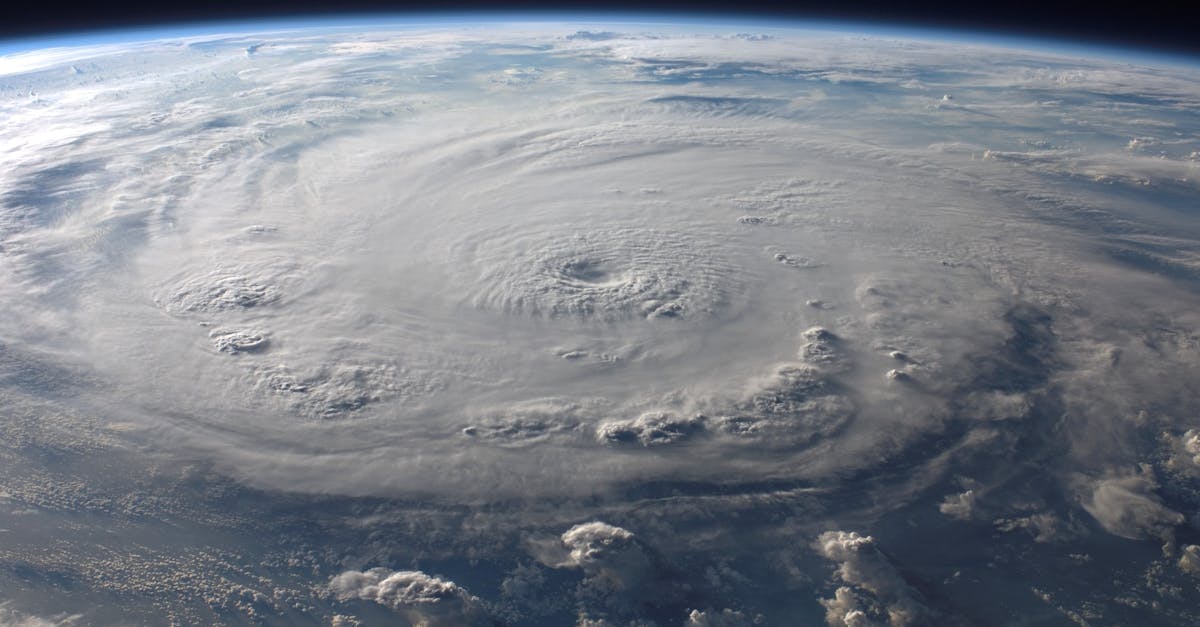
On Saturday, February 1st, at 4:00 AM, Cyclone Fytia struck the northwest coast of Madagascar, specifically near Majunga, with exceptional force, characterized by wind gusts reaching 210 km/h. The violence of its winds caused widespread destruction, both in the capital Antananarivo and in the Mahajanga region, where material and human losses rapidly escalated. After sweeping across the island, Fytia weakened as it moved towards the east coast, eventually being downgraded to a moderate tropical storm by the Malagasy National Meteorological Center. However, its passage was not without consequences: torrential rains and violent winds caused unprecedented flooding, plunging the population into an emergency situation where every minute counts. Managing such phenomena requires not only heightened preparedness but also the capacity to respond quickly to the needs of those affected, who often face irreparable losses. Vigilance remains essential, as the particularly active 2025-2026 cyclone season serves as a reminder of the critical need for adaptation to limit future damage.
The immediate repercussions of Cyclone Fytia on Madagascar: damage, casualties, and evacuations
The consequences of Cyclone Fytia extend beyond the mere violence of the meteorological phenomenon to impact daily life and the socio-economic stability of Madagascar. According to the official reportAt least three people died in the capital, Antananarivo, during the first hours of the cyclone’s passage. Damage to housing, primarily in urban areas, led to severe flooding, leaving more than 22,000 residents homeless. The need for rapid evacuation of at-risk areas mobilized rescue forces, who transported approximately 8,400 people to emergency shelters. Of these, 7,200 were placed in 34 temporary accommodation centers, while the others were taken in by family or neighbors, illustrating local solidarity in the face of an exceptionally large disaster. The destruction of roads, electrical infrastructure, and sanitation systems is complicating rescue operations, revealing a structural fragility that needs to be addressed in anticipation of future similar events.
Anatomy of a Cyclone: Understanding Formation, Trajectory, and Degradation
Cyclone Fytia formed in an area of high meteorological instability, fueled by the 2025-2026 cyclone season. Wind convergence, combined with increased ocean heat, favored the rapid development of this storm with its deadly characteristics. The cyclone’s initial trajectory, which made landfall in the Soalala district, was guided by prevailing winds and the local geographical configuration, intensifying the storm’s power in some areas and mitigating it in others. The ability to accurately predict the direction and intensity of such a phenomenon relies on numerical modeling but remains subject to a significant margin of uncertainty. Fytia’s degradation into a tropical storm demonstrates that the loss of energy through wind and rain is a natural process, but this does not eliminate the risks associated with rainfall, which can still cause prolonged flooding. Understanding the life cycle of a cyclone is essential for planning prevention and response to these natural disasters.

Discover everything about cyclones: formation, impacts, prevention, and safety tips to protect your loved ones and property during these violent weather events.
Storm Fytia: a domino effect affecting Reunion Island and the surrounding region.

Discover everything about cyclones: formation, impacts, prevention, and advice on how to protect yourself during these powerful storms. 2025-2026 Hurricane Season: Increased Activity and Challenges of Collective Resilience
| Since September, the 2025-2026 cyclone season has seen a record number of storms, with five major events hitting Madagascar and its neighbors, including Cyclone Fytia. These figures illustrate a worrying increase compared to previous seasons, where the frequency and intensity of these weather events were already alarming. The situation calls for action from local governments, the scientific community, and the international community, who must work together to strengthen preparedness, awareness, and the response capacity of vulnerable populations. The need for an integrated approach, combining technological innovation, resilient infrastructure, and education campaigns, is becoming increasingly clear to limit the impact of these events and protect the lives of the inhabitants. | Key Factors | |
|---|---|---|
| Observed Impacts | Recommended Measures | 🌊 Increased ocean temperature |
| 🌪️ Extreme winds and torrential rains | 🏗️ Strengthened infrastructure | 🌬️ Intense cyclonic activity |
| ⚠️ Increased risk of flooding and erosion | 🚨 Implementation of strengthened emergency plans | 🌡️ Global climate variations |
💪 Need for local adaptation
🌍 Enhanced regional cooperation
How severe was the damage caused by Cyclone Fytia in Madagascar?
The damage is significant, with three confirmed fatalities, thousands of people affected, and severely damaged infrastructure, particularly in the capital and several vulnerable regions.
How is Réunion preparing for the cyclone threat?
Local authorities are implementing a heightened vigilance plan, including weather alerts, preventative evacuations, and protective measures against the risks of flooding and high winds.
What strategies can improve resilience to cyclones?
It is essential to invest in resilient infrastructure, raise public awareness, and foster regional cooperation for resource and knowledge sharing.
Are extreme weather events on the rise?
Data shows a trend toward more intense cyclones, partly linked to climate change, which necessitates urgent adaptation in exposed areas. How can we effectively prepare for cyclones in the region?
🔗 Sources & références
Pour aller plus loin, consultez les sources citées dans cet article :
Découvrez notre guide complet — destinations, budget, visa, faune et conseils pratiques pour préparer votre voyage.

📖 Vous aimerez aussi

Transition à Madagascar : la société civile et la Génération Z face aux doutes sur le « Programme de la Refondation »
3 March 2026
Fermeture de l’aéroport de Dubaï : chaos et désarroi chez les voyageurs bloqués
2 March 2026