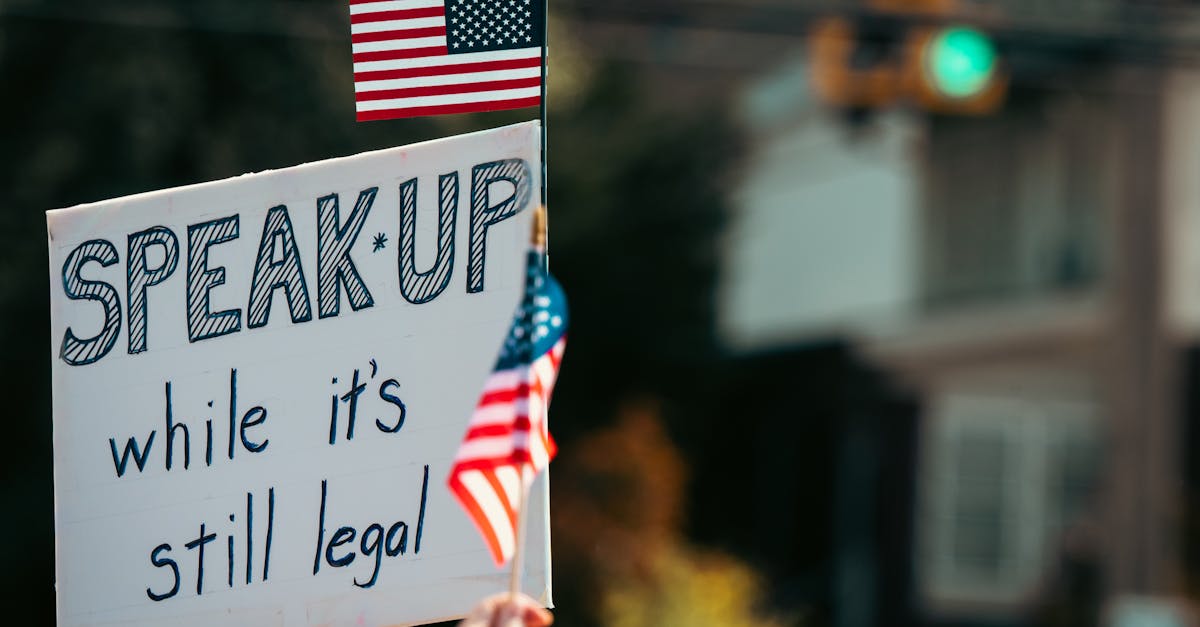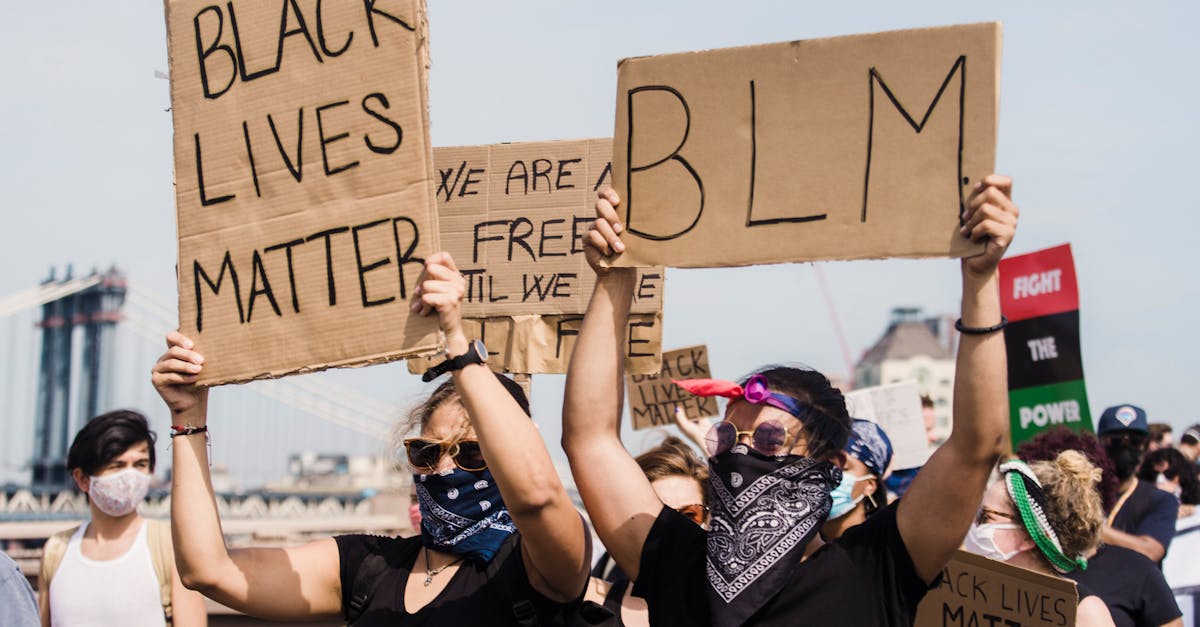

Amidst political and social turmoil, Madagascar finds itself at the heart of a conflict between protesters and security forces. Tensions have been rising for several weeks, fueled by deep discontent with the economic crisis, endemic corruption, and unstable governance that are weakening the island. In recent days, in the capital Antananarivo, the situation has reached a critical point, where state repression, using tear gas and massive deployments, appears to be fueling the spiral of violence. Yet, at the center of this storm lies the crucial question of how to maintain a balance between the legitimate desire for public order and respect for the fundamental rights of citizens who are certain of their right to protest.
Since the beginning of the protests, the Malagasy government and security forces have accused certain groups of protesters of exceeding the bounds of peaceful demonstrations, engaging in violent actions that they claim justify their harsh intervention. In a context where the majority of the population yearns for a peaceful transition, accusations of indiscriminate violence against protesters—deemed responsible for triggering a more serious crisis—are fueling a national debate on the legitimacy of the repression. The controversy is rapidly spreading beyond the local level, mobilizing the international community, which is observing this escalation with concern, fearing a widespread conflagration, as was already mentioned during the massive protests of 2025, considered one of the most painful episodes in the country’s recent history. The acts of violence denounced by the Malagasy security forces in Antananarivo
Law enforcement, mobilized to contain the protests, accuses several groups of demonstrators of carrying out violent actions that caused significant damage in the city center. According to the official statement, some individuals allegedly attacked public infrastructure, burned vehicles, and organized acts of vandalism which, they claim, justify their use of force. The latest crackdown, conducted the previous day, required the use of extensive tear gas to disperse approximately a thousand protesters attempting to reach the famous Ambohijatovo Garden, an emblematic site of democracy in past years. The death toll continues to rise: at least 22 people have died in the region since the start of the protests, a toll that raises serious concerns about the handling of the crisis. Although the majority of demonstrators are peaceful, isolated incidents involving violence are exacerbating the tense atmosphere. Faced with these accusations, NGOs such as the OHCHR emphasize that the security forces’ response must respect human rights and target exclusively those who participate in acts of violence.
This dramatic context reveals the difficulty for the authorities in maintaining social cohesion without resorting to excessive repression. The overall perception of these events shows that abuses and brutality by law enforcement exacerbate animosity, fueling a vicious cycle that urgently needs to be broken in order to consider a diplomatic and peaceful path. Adding to the crisis is the mobilization of Malagasy youth, particularly the Gen Z movement,This movement, initially sparked by frustration with water and electricity cuts, quickly evolved into a broader protest against the government. Madagascar’s Generation Z, highly connected and engaged, uses social media to voice its demands, denouncing a perceived failure of governance. Through numerous messages, they express widespread discontent with the economic crisis and rampant corruption plaguing the entire country. Young protesters have also joined the demonstrations in working-class neighborhoods and universities, as reported in several articles on student protests in Antananarivo.
Their commitment underscores a desire for profound change, but also a shared fear that this protest could descend into violence, potentially leading to an irreversible escalation. Police repression, perceived as disproportionate by some, only exacerbates their sense of injustice and marginalization. The strategies of Malagasy security forces in the face of the protest: between maintaining order and the risk of escalation
To contain the protests, the security forces have adopted various strategies, ranging from firm deterrent actions to attempts at limited dialogue. Despite these efforts, their use of force, such as tear gas and rubber bullets, has drawn considerable criticism. The question remains: is this response proportionate to a demonstration whose sole legitimate objective is a change in the country’s political leadership?
Security and human rights experts denounce the double standards of the Malagasy authorities, who claim to want to maintain order but, in practice, are contributing to the worsening crisis. Calls are growing for de-escalation, prioritizing dialogue and mediation to prevent the situation from deteriorating further and triggering an even more serious humanitarian crisis.
Growing tensions in Antananarivo, a symbol of social conflict at the heart of Malagasy politicsThe center of Antananarivo has become a veritable theater of tension, where incidents, altercations, and police violence follow one another in an increasingly explosive atmosphere. The presence of forces in working-class neighborhoods, particularly around Lake Anosy, has become a symbol of the ongoing repression. Residents denounce increased militarization and mismanagement of demonstrations, which seem to preclude any prospect of a peaceful resolution to the crisis.
Images of soldiers in fatigues, dispersing demonstrators or sometimes joining some of them in a worrying confusion, illustrate a dangerous spiral. The
rising tensions in Antananarivo
pose a real threat to long-term stability unless a compromise can be quickly reached between the government and the opposition.
The role of international actors in the Madagascar crisis: diplomacy or inaction? Faced with the gravity of the situation, the international community is watching closely. France, through its diplomatic missions, as well as organizations such as the UN, are trying to foster dialogue. However, their influence remains limited when the Malagasy government insists on the legitimacy of its law enforcement actions. Some analysts point out that the
international awareness
The dialogue must be broadened to encourage Madagascar to prioritize negotiation. The crisis could intensify if no lasting solution is found, further weakening democracy on an island that has already experienced far too much instability in recent years.
Lessons to be learned to avoid a lasting escalation of the conflict in Madagascar To overcome this crisis, several avenues must be explored. First, engaging in sincere dialogue with the protesters, incorporating their social and economic demands, rather than prioritizing repression. Second, a thorough reform of the security forces is needed to ensure their training in human rights and the peaceful maintenance of order. Finally, all political actors should be brought together around a common project aimed at restoring trust in governance.
It is also crucial to broaden the discussion to include civil society, which is an essential pillar for a peaceful transition. Establishing a mediation committee, involving local and international actors, could prevent the situation from spiraling out of control, while addressing the root causes of the crisis. Concrete actions to consider for Bruno, the engaged Malagasy citizen:
Promote community dialogue 🤝
Strengthen human rights training for security forces 🔐
- Encourage inclusive political reform 🗳️
- Support civil society in its mediation efforts 🌱
- Guarantee an independent and transparent justice system ⚖️
- Objectives 📝
- Priority actions 🚀
| Challenges to overcome ⚠️ | Reduce violence | Inclusive national dialogue |
|---|---|---|
| Mutual distrust | Restore trust | Security force reform |
| Balanced representation | Ensure stability | International engagement |
| Political will | Frequently asked questions | What is the main cause of violence in Madagascar in 2026? |
The violence is primarily linked to protests against the government, exacerbated by the economic crisis, corruption, and a police response perceived as excessive.
What are the risks if the Malagasy crisis continues?
An escalation of the conflict could lead to a major humanitarian crisis, a weakening of democracy, and lasting instability that would jeopardize the country’s development.
How can the international community help Madagascar?
By promoting dialogue, supporting security force reform, and encouraging an inclusive political process, the international community can prevent deeper destabilization.
Source:
🔗 Sources & références
Pour aller plus loin, consultez les sources citées dans cet article :
Découvrez notre guide complet — destinations, budget, visa, faune et conseils pratiques pour préparer votre voyage.

📖 Vous aimerez aussi
Transition à Madagascar : la société civile et la Génération Z face aux doutes sur le « Programme de la Refondation »
3 March 2026
Fermeture de l’aéroport de Dubaï : chaos et désarroi chez les voyageurs bloqués
2 March 2026