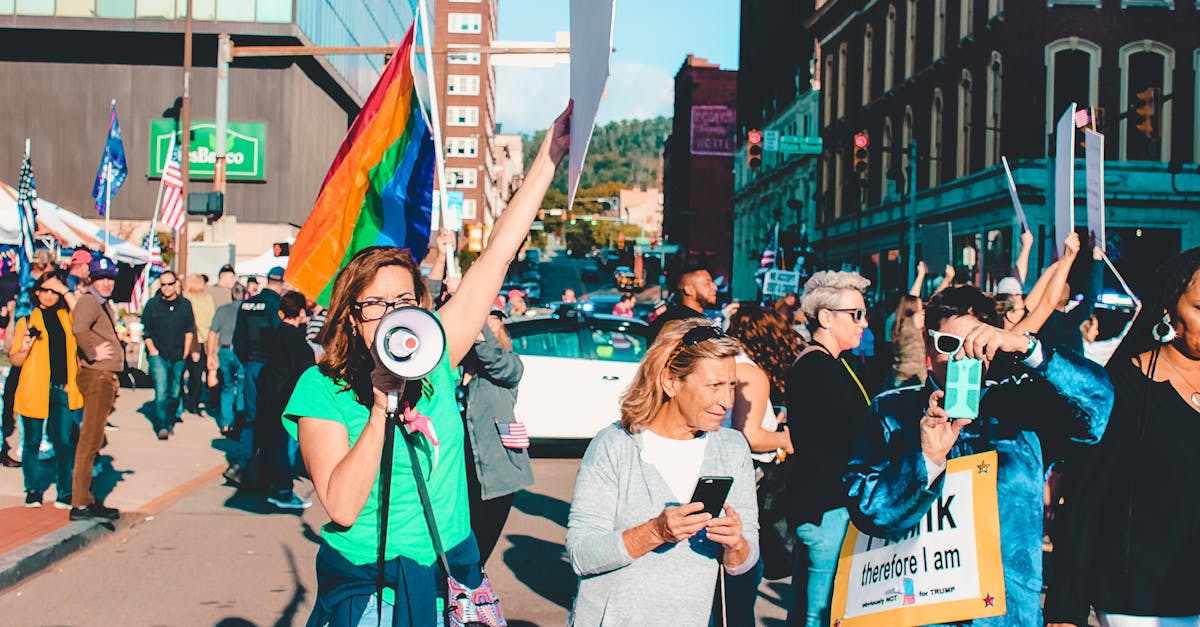

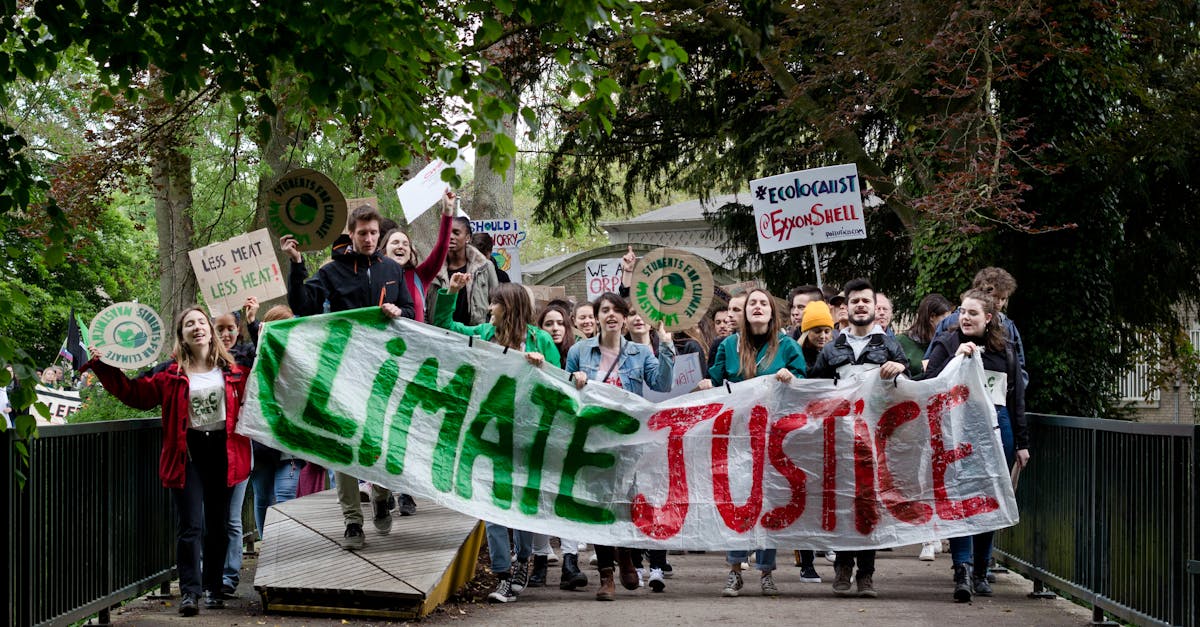
The protest movements currently sweeping Morocco, Nepal, and Madagascar reveal a new dynamic, embedded in a global context of major social change. Young people, particularly Generation Z, are playing a central role in these upheavals. Born with social media as their primary platform for expression, this generation seems to be transcending the old barriers of traditional protest to engage in global mobilization. By 2026, this wave of protest is no longer limited to sporadic demands: it embodies a genuine collective awakening in the face of regimes often described as semi-authoritarian, whose legitimacy is weakened by corruption and economic failure. At the heart of these movements, a profound sense of injustice is emerging: the disconnect between governments and the real needs of rural and urban populations. Young people are demanding access to education, healthcare, employment, and more direct political participation. These protests, fueled by persistent digital mobilization, transcend borders, reflecting a fierce desire to change the existing system. The socio-economic crisis, exacerbated by the scarcity of vital resources in some countries and their opaque management, is acting as a catalyst for a new awareness of the role of youth in political and social transformation. The series of protests shaking these nations thus illustrates a profound shift in Generation Z, now more engaged and united than ever on a global scale.
Discover everything about the protests: their causes, their impacts, and how they are shaping society.
To understand the rise of Generation Z’s protest movement, it is necessary to examine the specific historical and social legacies of each country. In Morocco, the recurring protests are rooted in a long tradition of demands for civil and economic rights, epitomized by the Arab Spring uprising in 2011. More recently, this dynamic has intensified in response to a growing perception of injustice and elitism, particularly with the construction of prestigious infrastructure projects like the 2030 World Cup, often seen as disconnected from social realities. Highly connected Moroccan youth are part of a tradition of mobilizations that demand more direct political participation and improved living conditions.
In Nepal, the political and social crisis has been fueled for decades by ethnic and economic tensions, as well as an underfunded education system. The devastating 2015 earthquake exacerbated this situation, reinforcing feelings of abandonment and neglect on the part of the ruling elites. The younger generation, particularly on Instagram and other social media platforms, mobilized to denounce corruption, but above all to demand profound structural reforms. Police repression, as seen during recent protests, has only intensified the desire for change, fueling a crisis whose stakes extend far beyond mere political power. Nepalese youth are now demanding a fairer future, better integrated into a nascent, yet still fragile, democracy.
Common issues facing local youth in their dealings with governments:
- 👉 The demand for quality education accessible to all
- 👉 The quest for employment and economic stability
- 👉 The fight against corruption and elitism
- 👉 Active participation in national and international political debate
- 👉 The pursuit of social equity, particularly for ethnic and religious minorities
Social media as catalysts for Generation Z protest in these countries
Social media plays a crucial role in structuring and disseminating national protest. In Morocco, young people use Twitter, WhatsApp, and Facebook to organize rallies, share viral videos, and orchestrate awareness campaigns. The case of “GenZ 212” on Discord is a case in point, where young people organize themselves within an informal but effective structure. Similarly, in Nepal, Instagram has become a preferred platform for mobilizing around social demands and denouncing injustices.This massive use of digital networks allows for near-instantaneous mobilization, transcending the traditional limits of political organization. Young people are thus asserting themselves as a transnational force, aware of the global context and global issues such as climate change and social injustice. The ability to rapidly disseminate messages and circulate information and images facilitates the construction of a collective narrative against regimes that have often attempted to control or restrict access to these tools. This phenomenon, which some call the “transnationalization” of protest, transforms young people into a fully-fledged political class, ready to write a new social history.
Discover everything you need to know about protest: definitions, forms, examples, and social impact.
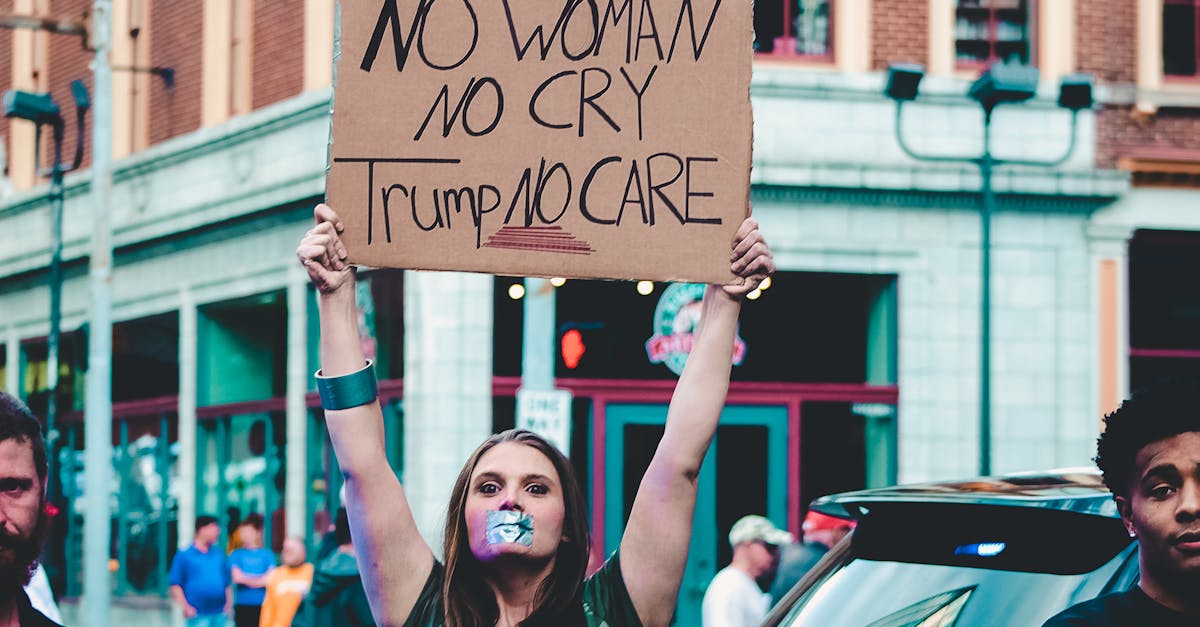
Faced with an increasingly demanding youth, it is imperative for governments to rethink their approach to social reforms. The main grievances revolve around the need to establish a more participatory democracy, guarantee better access to education and healthcare, while reducing the gap between elites and the rest of the population. Implementing inclusive policies designed to meet the expectations of young people would help prevent a slide towards more violent and protracted crises. In Morocco, for example, the government could initiate a serious national dialogue, integrating the voice of young people into local and national governance.
In Nepal, the priority must be reforming the public administration and combating endemic corruption. Madagascar, for its part, must address challenges related to natural resource management and the equitable distribution of the benefits of development. In all these cases, the challenge lies in the authorities’ ability to unite all stakeholders around a common project, in order to build a future where young people can thrive in a safe and equitable environment. True transformation could come about through broadening the national debate, creating participatory platforms, and making a concrete commitment to the fight against inequality.
Comparative Table of Main Challenges and Possible Responses
Country
| Main Challenge | Proposed Response | Youth Engagement | Morocco |
|---|---|---|---|
| Low Political Participation | Inclusive Dialogue and Local Referendums | Encouraging Civic Engagement | Nepal |
| Corruption and Inequality | Institutional Reforms and Transparency | Strengthening Trust in the Democratic System | Madagascar |
| Economic Resource Management | Decentralization and Sustainable Development | Supporting Local Initiatives | Unprecedented Forms of Protest and Their Impact on Regional Stability |
This year’s youth protests illustrate a major shift in political dissent. Acts of vandalism, such as the burning of symbolic sites or violence during rallies, often stem from a deep distrust of the authorities. In Morocco, violent clashes have been reported, particularly with the police during demonstrations denouncing corruption. While systematic repression may be underway, it does not appear to deter young people, who sometimes find in these acts a form of identity affirmation and defiance against a power perceived as oppressive.
Spectacular events, such as the toppling of certain symbols of the regime or clashes between young people and law enforcement, mark a break with traditional peaceful protests. In Nepal, the burning of political power centers marks a new phase in the protests. The question now is the capacity of institutions to undertake profound reforms to prevent these crises from escalating into open conflict. Regional stability across Southern Africa depends largely on the ability to integrate these demands into a constructive process.

The risks and challenges of a sustained protest movement for the future of these nations.
This massive movement inevitably raises the question of the sustainability of these protests. Young people, often driven by the urgent need to meet their basic needs, could quickly become disengaged if no concrete solutions are found. The fear of radicalization or premature extinction of these demands remains a critical issue. While these uprisings, observed even in several African and Asian countries, have the potential to topple regimes, they also risk fueling an endless cycle of violence if no compromise is reached.
https://www.youtube.com/watch?v=T-wQs4-bCzA
What are the main factors explaining the rise of youth protest in these countries?
Factors include the historical legacy of semi-authoritarian regimes, persistent corruption, socioeconomic inequalities, and the impact of social media, which facilitates rapid and transnational mobilization.
How have social media transformed political protest?
They enable instant organization, the dissemination of images and messages, and create a sense of global unity. This limits the influence of state controls and fosters solidarity without borders.
What reforms can appease young people and stabilize these societies?
More inclusive governance, the fight against corruption, the development of a high-performing education system, and strengthened citizen participation. Transparency and dialogue remain essential.
How might these movements evolve in the coming years?
A possible transformation into regime change, if the demands are met, or increased repression if states resist. Sustainability will depend on the ability to propose credible alternatives. What are the risks to regional stability?
🔗 Sources & références
Pour aller plus loin, consultez les sources citées dans cet article :
- This massive use of digital networks allows for near-instantaneous mobilization, transcending the traditional limits of political organization. Young people are thus asserting themselves as a transnational force, aware of the global context and global issues such as climate change and social injustice. The ability to rapidly disseminate messages and circulate information and images facilitates the construction of a collective narrative against regimes that have often attempted to control or restrict access to these tools. This phenomenon, which some call the “transnationalization” of protest, transforms young people into a fully-fledged political class, ready to write a new social history. — challenges.fr
- What are the risks to regional stability? — lalibre.be
Découvrez notre guide complet — destinations, budget, visa, faune et conseils pratiques pour préparer votre voyage.

📖 Vous aimerez aussi
Transition à Madagascar : la société civile et la Génération Z face aux doutes sur le « Programme de la Refondation »
3 March 2026
Fermeture de l’aéroport de Dubaï : chaos et désarroi chez les voyageurs bloqués
2 March 2026