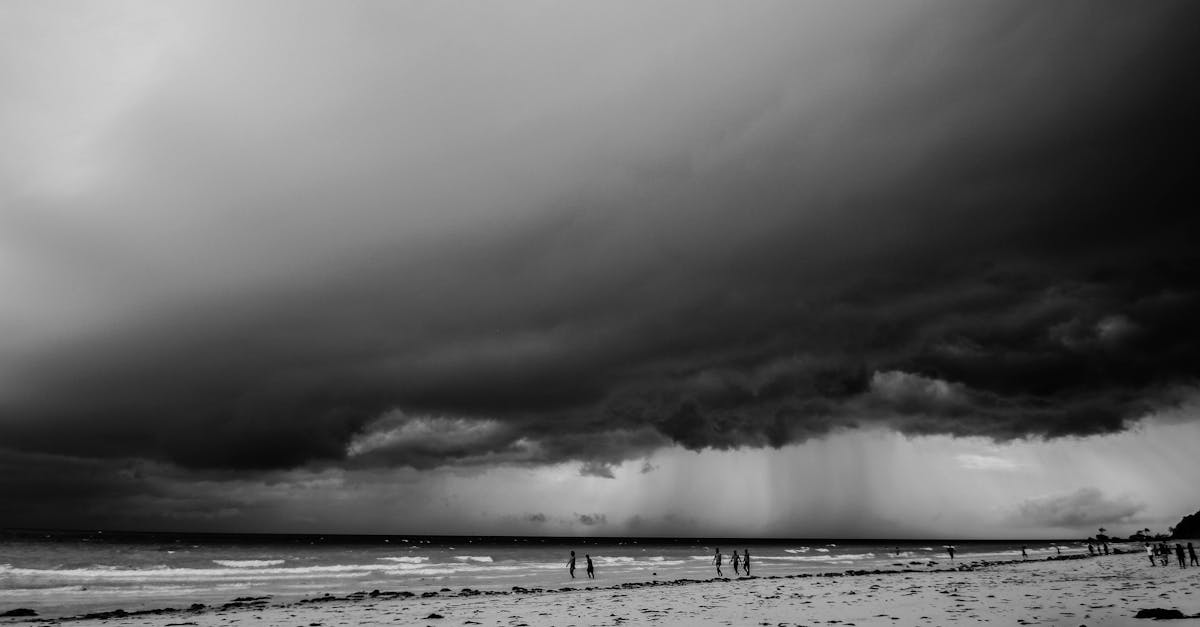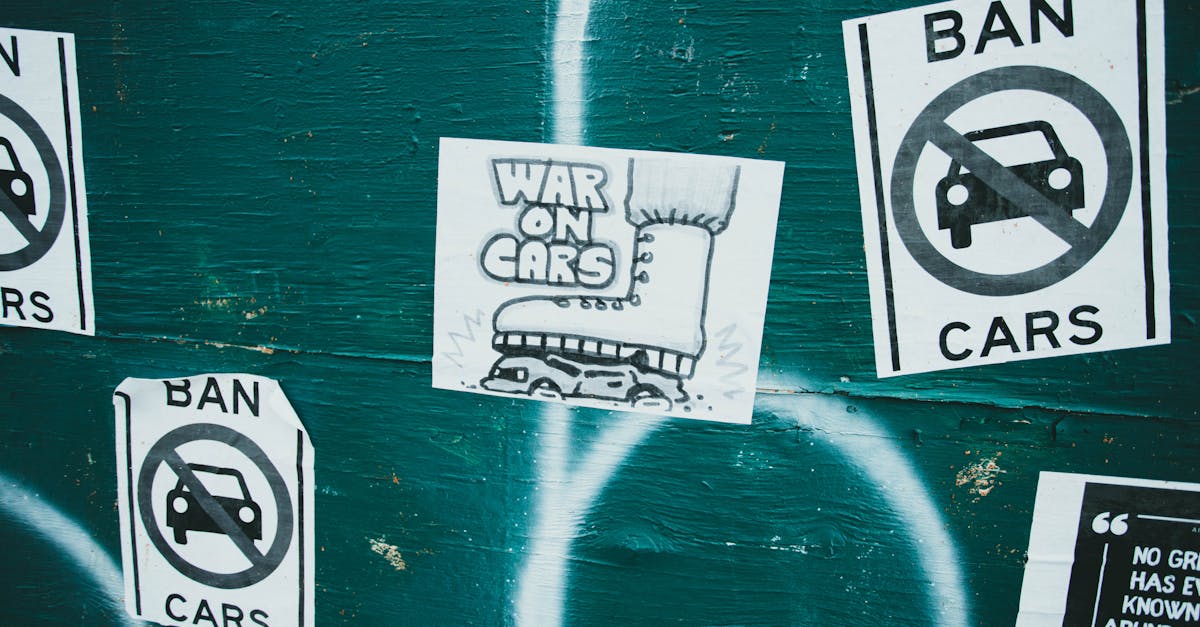

September 25, 2026, stands out as a pivotal date in the context of social and political dynamics, both in France and in several regions of the world. As protest movements had been gaining momentum for several weeks, particularly against water cuts and power outages that severely impacted the population, the prefectural authority took a drastic decision: to ban the planned demonstration. This ban, justified by the need to maintain public order, appears as a major turning point, not only because of its rigidity, but also because of its implications for freedom of expression and the ability to protest against a government that seems increasingly intent on silencing all dissenting voices.
In a context of heightened social tension, the Antananarivo prefecture, like other regional authorities, decided to resort to prohibition measures following several minor incidents that escalated into clashes with police. The suppression of this space for direct dialogue reflects a strategy increasingly marked by the use of intimidation and repression, reinforcing concerns about the rise of an authoritarian regime intent on stifling any dissent that could threaten its power. The authorities’ decision has thus crystallized a genuine divide between those who defend fundamental freedoms and those who see this ban as a means of preserving stability, or even their own power, in the face of an increasingly radicalized protest movement.
Local media reported on the ban, emphasizing its significance as part of a series of restrictions on public gatherings in 2026. The event scheduled for September 25, which was expected to draw several thousand protesters to various neighborhoods, including Ambohijatovo, was thus canceled at the last minute. Authorities cited the seriousness of the security situation, fueled by rumors of attempts to hijack the demonstration and turn it into an act of violence, but this justification has not been enough to quell criticism or dispel the feeling that the ban risks becoming a symbol of the ongoing democratic backsliding. Faced with this decision, the protests have not abated. On the contrary, the local population, supported by the opposition and a segment of civil society, continues to express its concerns and its determination to make its voice heard. The repression of all forms of protest could lead to increased radicalization, resulting in more violent and destabilizing actions. This context of heightened tension calls for deep reflection on the capacity of institutions to balance security and freedom, while avoiding the transformation of a social crisis into an open conflict that could destabilize the entire area concerned.
Découvrez notre guide complet — destinations, budget, visa, faune et conseils pratiques pour préparer votre voyage.

📖 Vous aimerez aussi

Transition à Madagascar : la société civile et la Génération Z face aux doutes sur le « Programme de la Refondation »
3 March 2026
Fermeture de l’aéroport de Dubaï : chaos et désarroi chez les voyageurs bloqués
2 March 2026