


In 2026, the revival of a flagship project in Madagascar is emerging as a crucial issue for the country’s economic and infrastructural future: the construction of the highway linking Antananarivo to Toamasina. Designed to profoundly transform the national transport system, this expressway is expected to substantially reduce travel times between the two major development hubs, thereby facilitating trade and improving population mobility. At the heart of this ambitious undertaking is Samcrete, an Egyptian company renowned for its technical expertise and commitment to large-scale infrastructure projects. However, the construction of this 260-kilometer highway faces a significant challenge: meeting the established deadlines within a context marked by logistical, geographical, and financial constraints. The Malagasy authorities, aware of the strategic importance of this infrastructure, are taking numerous initiatives to accelerate its implementation. The recent meeting in Anosy between the Minister of Public Works and Samcrete officials provided an opportunity to update the strategy, emphasizing the need to strengthen the fleet of equipment, ensure a constant supply of essential materials, and implement a strict monitoring schedule
which demonstrates a firm commitment to adhering to each stage
This complex yet promising context underscores a crucial requirement: combining efficiency, innovation, and dedication to overcome obstacles and transform this challenge into a success. The question remains: how can we address these immense challenges without compromising the quality or the sustainable future of Madagascar’s road network?

Discover everything about highways: information, driving tips, road safety, and infrastructure for a worry-free journey.
The Strategic Stakes of the New Highway for Madagascar in 2026
The highway project between Antananarivo and Toamasina represents much more than a simple road segment. It is a crucial lever for national economic development, facilitating the transport of goods to the port while opening up the interior. Reducing travel time, currently estimated at between 8 and 10 hours on National Route 2 (RN2), to just 2 hours and 30 minutes, represents a major step forward that could modernize logistics, lower costs, and encourage private and public investment.
This project, costing nearly $930 million, is mobilizing significant financial commitment, notably through international partners such as the Arab Bank for Economic Development in Africa (BADEA) and the Abu Dhabi Fund for Development (ADFD). The participation of these institutions illustrates global recognition of the strategic role of this infrastructure in Madagascar’s economic recovery. The stakes also extend well beyond the direct economic aspects. The aim is to strengthen national cohesion, boost tourism, and ensure safety and stability by improving regional connectivity. Creating a modern network is a challenge in itself, requiring meticulous management to maintain quality standards while accelerating progress under the pressure of a tight schedule.
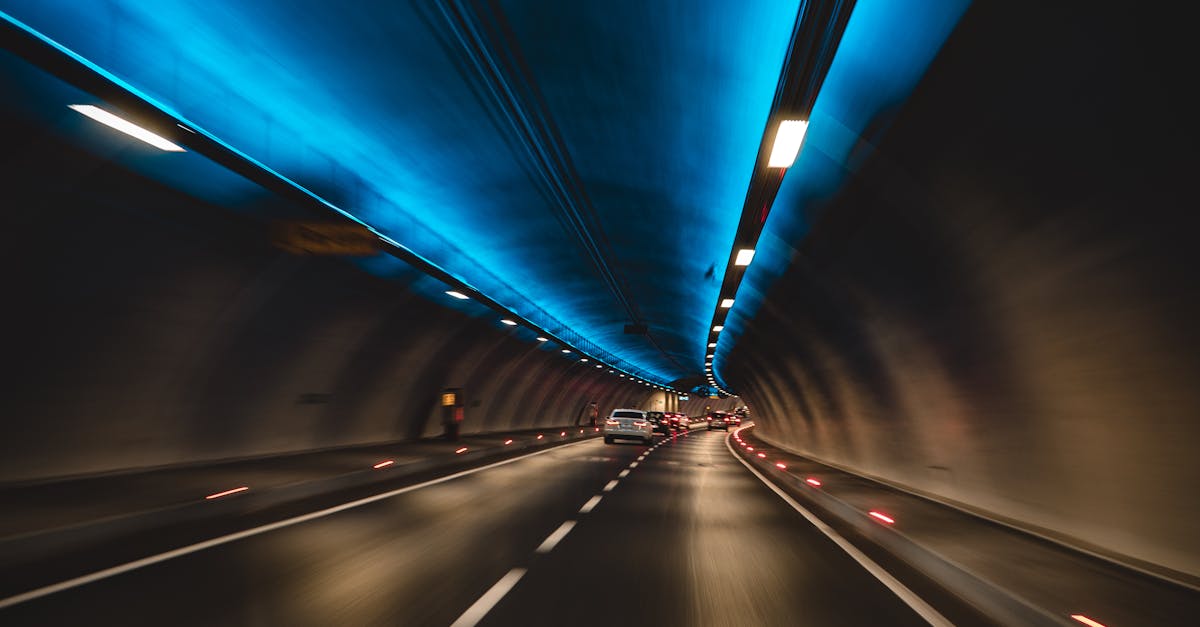
Discover everything about the highway: information, driving tips, and news for a safe and enjoyable journey.
Strategies deployed to accelerate highway construction
To address the project’s tight deadlines, several concrete strategies have been implemented. The first involves strengthening Samcrete’s operational capacity, notably by increasing the fleet of construction equipment and diversifying the sources of essential materials such as stone, cement, iron, and bitumen. These measures aim to reduce disruptions and ensure steady progress. Furthermore, a monthly monitoring schedule will be established, allowing for a precise evaluation of each stage and immediate corrective action in case of delays. Transparency and accountability of partners are therefore priorities
to ensure adherence to the schedule
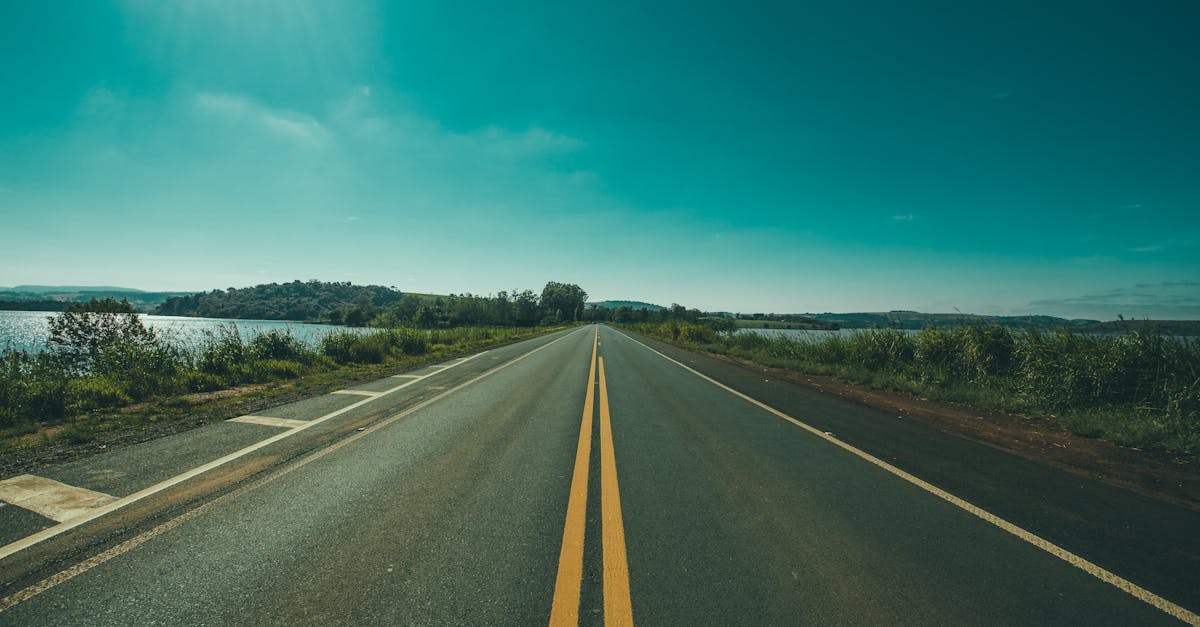
The road paving work, which began at kilometer marker 8 in Ambohimanga, exemplifies this dynamism, serving as a foundation for concrete progress. The following section will reveal how these efforts contribute both to the project’s stability and to the concrete achievement of national objectives.
Discover everything about highways: infrastructure, road safety, driving tips, and news for a smooth journey on the fast roads. Financing and its role in the success of the highway project
Financing this strategic infrastructure is a crucial pillar for the success of the project. Amounting to approximately $930 million, the majority comes from international sources, while also being supported by public investment. According to the latest information, 20% of the total cost is now covered by the Malagasy government, while the remaining share comes from bilateral and multilateral partners such as BADEA and ADFD. This financial mobilization underscores the importance and urgency of this road within the Malagasy economic context.
The funds allocated for the second phase of the project, estimated at between $250 and $350 million, will be crucial to cover the continuation of the work and ensure adherence to the schedule. The prudent management of these funds, combined with increased transparency, must also meet the expectations of the local population and international investors. The ability to quickly mobilize this financial mass guarantees that the entire project progresses without major interruptions, despite the logistical challenges encountered
which have already marked the beginning of the infrastructure project. Expected Impacts of the New Highway on Malagasy Society in 2026
The launch and progress of this project will have profound effects on Malagasy society, both economically and socially. Reduced travel time will lead to increased business productivity, diversification of economic activities, particularly in the tourism sector, and greater regional integration. Easier access to Toamasina will also offer entrepreneurs and farmers increased opportunities to market their products nationally and internationally.
Furthermore, this highway will contribute to a significant improvement in quality of life by facilitating access to public services, education, and medical care in previously isolated areas. The creation of direct and indirect jobs during the construction phase will revitalize a still fragile employment sector. However, success is not guaranteed without transparent management, adequate staff training, and vigilance against potential abuses. The long-term vision must therefore be rooted in a sustainable development perspective, where modernization goes hand in hand with environmental preservation and social cohesion
| to preserve Madagascar’s cultural heritage | ||
|---|---|---|
| . | Key elements of highway project management and monitoring | Rigorous management is key to the highway’s success according to the established schedule. The creation of a monitoring committee, composed of government representatives, investors, and technical experts, ensures continuous progress assessment. The use of modern technologies, such as drone surveillance and GPS tracking of construction equipment, allows for real-time management and rapid intervention in the event of significant deviations. |
| Adherence to environmental and social standards is also a priority, with the implementation of measures to limit the impact on natural areas and respect local communities. Citizen involvement and transparent communication are also fundamental pillars for maintaining the project’s legitimacy. | Element | |
| Description | Objective | Equipment Upgrades 🚜 |
| Increasing the fleet of vehicles and machinery to accelerate construction | Reducing overall time | Regular Supply 📦 |
Ensuring a continuous delivery of essential materials
Avoiding any work stoppages
Monthly Monitoring 📅
Evaluating progress and making adjustments as needed
Meeting deadlines
Environmental Management 🌱
Measures to limit the ecological and social impact
Project Sustainability
What is the main objective of the highway project between Antananarivo and Toamasina?
The main objective is to substantially reduce travel time between these two economic hubs, facilitating the transport of goods and strengthening national economic growth.
🔗 Sources & références
Pour aller plus loin, consultez les sources citées dans cet article :
Découvrez notre guide complet — destinations, budget, visa, faune et conseils pratiques pour préparer votre voyage.

📖 Vous aimerez aussi

Transition à Madagascar : la société civile et la Génération Z face aux doutes sur le « Programme de la Refondation »
3 March 2026
Fermeture de l’aéroport de Dubaï : chaos et désarroi chez les voyageurs bloqués
2 March 2026


