
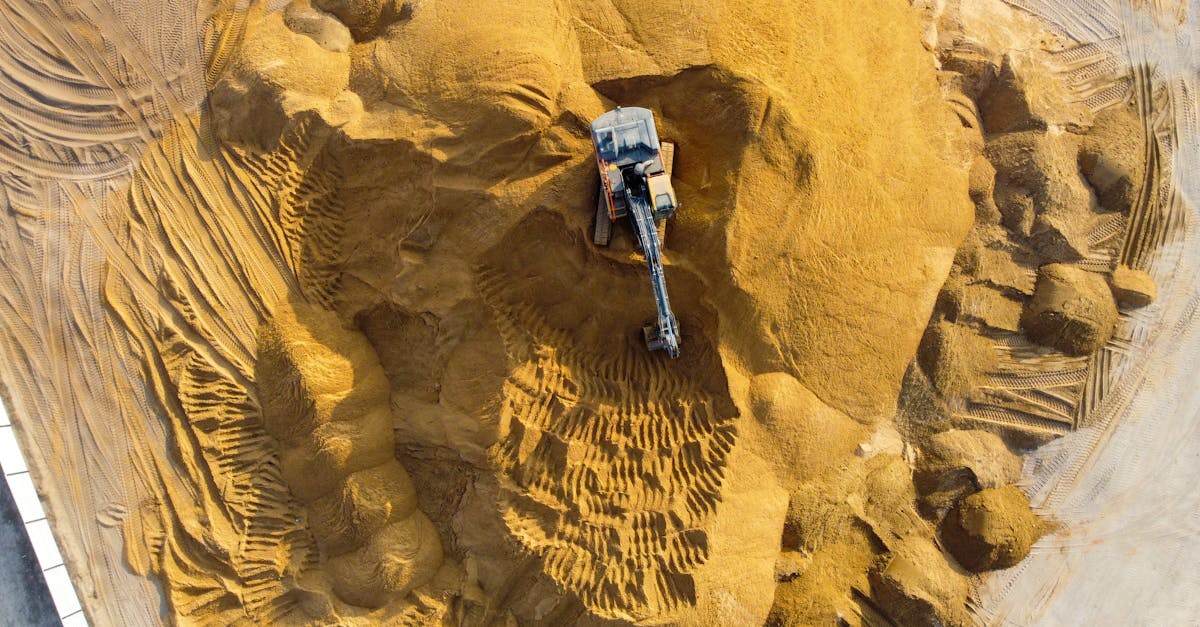

The Revival of the Mining Project in Madagascar: Approval, Challenges, and Protests Surrounding Vara Mada
The global economic and environmental context, marked by a growing climate emergency and a transition to greener energy, places paramount importance on the sustainable management of natural resources. While not widely known, the mining sector remains a fundamental pillar for some countries, notably Madagascar, where the wealth of critical minerals holds promise for economic development but also provokes strong opposition. The recent relaunch of the mining project, renamed Vara Mada after its initial designation as Base Toliara, reflects both a desire for strategic adaptation and an attempt to overcome identity and social crises. This transformation, conceived as a repositioning, raises questions about how mining can reconcile economic growth, environmental responsibility, and community inclusion. However, behind this attempt at recovery lie intense controversies involving environmental issues, the rights of local populations, the transparency of administrative procedures, and social impact. This analysis aims to provide an in-depth exploration of this new phase, in a context where the need to preserve ecological integrity while fostering equitable economic development has never been more pressing.
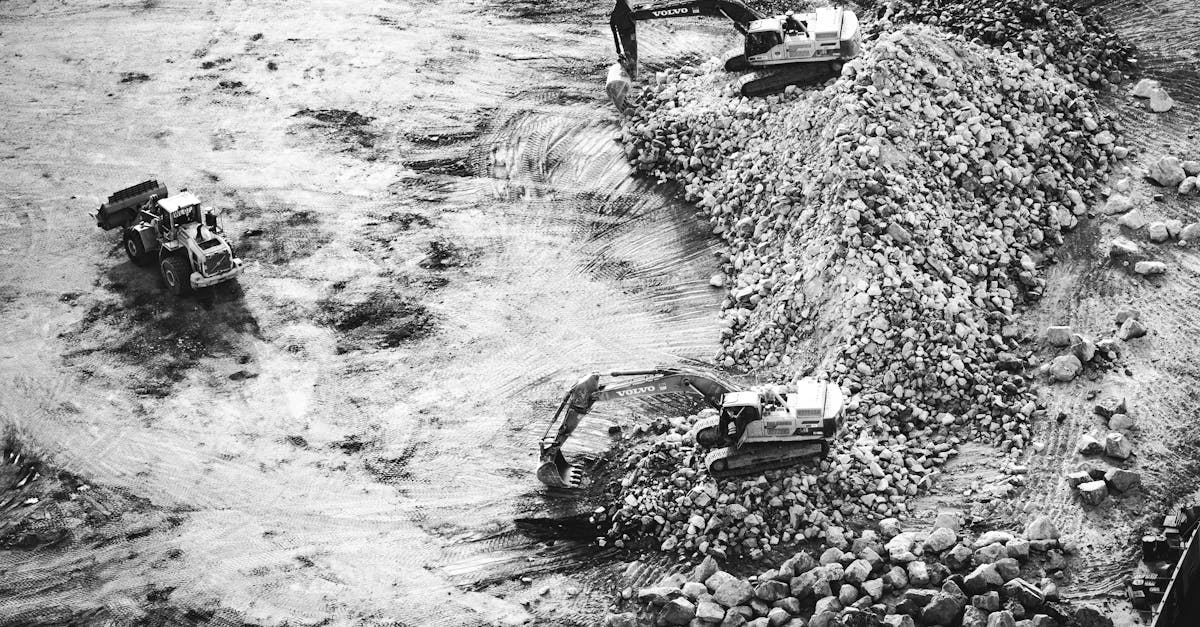
Discover our innovative mining project combining advanced technologies and respect for the environment for responsible and sustainable extraction.
The key issues behind the Vara Mada project relaunch: from economic revival to social contingency.
| Since its inception, the mining project in the Atsimo-Andrefana region has been shrouded in ambiguity. Conceived as a large-scale economic development project, it aims to extract heavy minerals such as ilmenite, rutile, zircon, and monazite, thereby facilitating the global exploitation of Madagascar’s natural resources. Financial estimates suggest that this operation could last 38 years, during which the mine would produce an average of 800,000 tons of ilmenite and 54,000 tons of rutile annually. These figures, however impressive, underscore a clear intention to transform the regional and national economic landscape. However, this strategy carries significant risks: the potential destruction of rare habitats, ecosystem degradation, and social repercussions for local communities. The internal reorganization of the operating company, particularly the strengthening of its Malagasy teams, demonstrates an effort to ensure a genuine local impact, but remains largely subject to growing criticism. The question remains: to what extent can these ambitions be reconciled with the urgent need to preserve Madagascar’s fragile environment? | Aspect | |
|---|---|---|
| Objectives & Impacts | Controversies & Risks Economic Development Creation of approximately 4,000 jobs during the development phase, then more than | 6,000 |
| during operation 🌍 | Risk of economic dependence, regional inequalities | Environmental Impact |
| Aligns its standards with international criteria, aiming for responsible management 🌱 | Biodiversity loss, water pollution, deforestation | Community Involvement |
Intensified local consultation, integration of Malagasy suppliers, social investments 🤝
Risks to agricultural land, traditional land use, land rights Energy Fuels’ repositioning strategies: a rebranding to quell public outcryThe rebranding of the American company Energy Fuels under the name Vara Mada is part of an effort to restore trust, long shaken by successive crises, including accusations regarding the transparency of permits and the project’s environmental management. The new name, blending cultural references and political implications, aims to evoke the intrinsic richness of the Atsimo-Andrefana region, while affirming increased responsibility in the project’s management. According to their official statements, this shift is not simply a public relations exercise. It reflects a desire to
, to structure inclusive dialogue, and to strengthen local governance. The internal restructuring also includes increasing the size of their team to better adapt management to the realities on the ground, with the ambition of aligning their approach with international standards, particularly in terms of safety, environmental management, and transparency. Despite these efforts, opposition persists, notably due to the potential impacts on biodiversity and the social security of affected populations. The question remains: is a symbolic repositioning enough to allay concerns, or is a genuine redefinition of the mining model in Madagascar necessary?
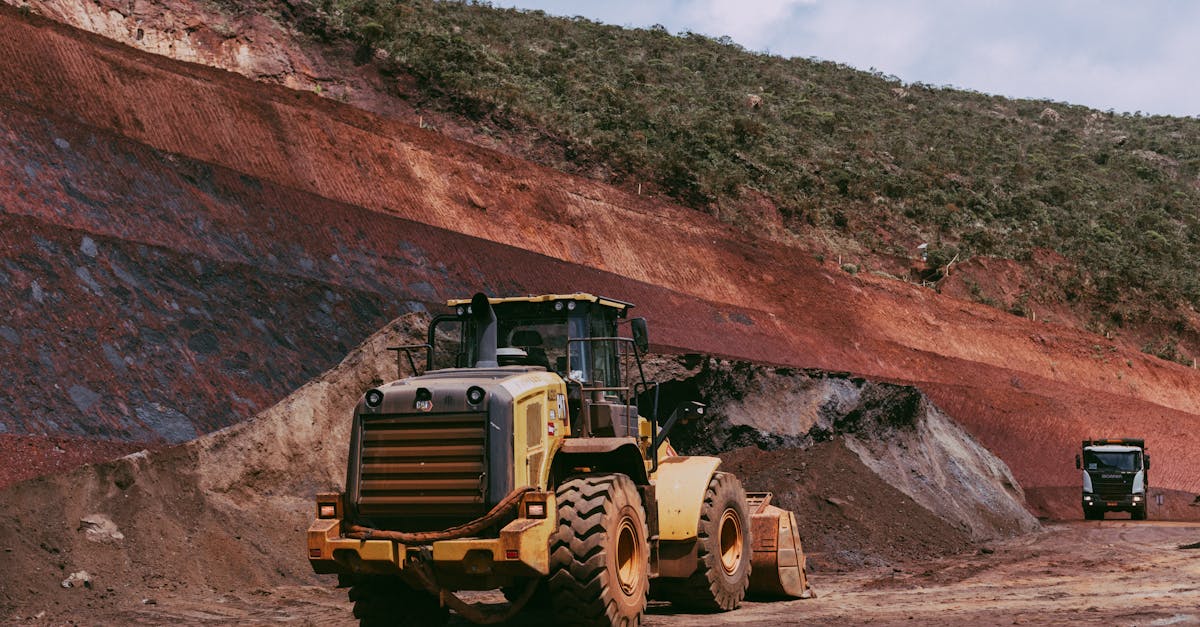
Discover our innovative mining project combining advanced technology and sustainability for the responsible extraction of natural resources.
The environmental challenges of the Vara Mada project: preserving biodiversity in the face of mining pressure.
Environmental concerns surrounding the revival of the Vara Mada project have not diminished. The Atsimo-Andrefana region, rich in biodiversity and vulnerable to external pressures, would bear the direct consequences of mining. The destruction of rare natural habitats, massive deforestation, and water pollution are cited as concrete threats. Responsible resource management, particularly compliance with international standards set by organizations such as the ISO, remains a prerequisite for limiting negative impacts. However, independent studies emphasize that, despite declarations made, the effective implementation of biodiversity protection measures remains insufficient to prevent irreversible degradation. Biodiversity loss could have lasting repercussions not only on the environment but also on tourism appeal and long-term ecological stability. In this context, the question of the responsibility of the State and private actors remains central to ensuring the sustainable exploitation of natural heritage. The proposed management measures: a challenge to be met for minimal impact.

Discover our innovative mining project combining advanced technology and sustainable practices for the responsible extraction of natural resources. Social Impact and Local Opposition: A Divide in the Perception of the Vara Mada Project Local populations, particularly those living in the Atsimo-Andrefana region, are expressing growing concerns about their future, given the potential destruction of their farmland, access to water, and food security. The protests also extend to the issue of land rights, with accusations of misuse of traditional lands by the mining project. In several cases, opponents such as those described in
this article
were arrested during peaceful demonstrations, illustrating the tension between economic development and human rights. The issue of radioactivity associated with certain critical minerals, such as monazite, also raises legitimate concerns about health risks. The challenge for the Vara Mada company is to establish a constructive dialogue and ensure that the voices of local communities are truly heard. Beyond environmental concerns, the human dimension remains a central element of the debate.
Steps to improve dialogue with local populations The measures under consideration include the regular organization of multi-stakeholder forums, the strengthening of community support programs, and increased transparency regarding permits and social impacts. Appropriate communication must, in particular, reassure the public about the management of risks related to radioactivity, while also proposing fair compensation. The project’s credibility will depend heavily on the developers’ ability to build lasting trust, avoiding any resentment or collective rejection. In short, the strategic challenge is to transform protest into constructive participation that is consistent with sustainable development. Future prospects for the Vara Mada project: challenges, opportunities, and keys to successAs the operational phase of
Vara Mada begins Several scenarios are possible regarding its sustainability. Compliance with international standards could be a decisive step in reducing disputes and guaranteeing balanced development. Furthermore, the genuine involvement of local communities in benefit-sharing remains a prerequisite for lasting acceptance. Advanced mechanization and the digitalization of management could also enhance transparency and efficiency, enabling real-time monitoring of social and environmental impacts.
To achieve this, it will be crucial for public and private stakeholders to cooperate around a common roadmap, incorporating precise indicators to measure the actual impact on the environment, the economy, and the social fabric. The success of this project could become an example for other sectors in Africa and the region, illustrating that the responsible exploitation of natural resources can go hand in hand with inclusive growth. However, despite these promises, vigilance remains essential in the face of potential resistance, fueled by fluctuating geopolitical or economic issues. The challenges to be met in ensuring compliance, transparency and stakeholder participation
For the Vara Mada project to truly develop within a framework that respects international standards, several major challenges must be addressed. The first concerns complete transparency in processes, particularly regarding permit issuance and the project’s financial management. Secondly, the active and effective participation of local communities must become a priority to eliminate any risk of marginalization. Strong national governance, combined with rigorous oversight by international organizations, could prove crucial in ensuring the project’s credibility.
Strategies to be adopted include establishing a robust regulatory framework, raising local awareness of the benefits and risks, and creating independent monitoring mechanisms. Complete transparency, coupled with genuine involvement from stakeholders on the ground, remains the best way to make the Vara Mada project an exemplary success, rather than a subject of persistent controversy.
FAQ: Issues and Prospects of the Vara Mada Project in Madagascar
What is the main ambition of the Vara Mada project?
The project primarily aims to sustainably exploit Madagascar’s natural resources to stimulate economic development and create jobs, while respecting environmental standards.
What are the environmental risks associated with the mine?
The main risks include deforestation, water pollution, destruction of rare habitats, and the management of radioactive waste related to certain minerals.
How can the participation of local communities be guaranteed?
This requires transparent consultation processes, community development projects, and independent oversight mechanisms to ensure their voices are truly heard.
Is changing Base Toliara’s name to Vara Mada enough to quell the protests?
A simple change of identity is not enough; it must be accompanied by concrete measures regarding governance, transparency, and social commitment to restore trust.
Découvrez notre guide complet — destinations, budget, visa, faune et conseils pratiques pour préparer votre voyage.

📖 Vous aimerez aussi

Transition à Madagascar : la société civile et la Génération Z face aux doutes sur le « Programme de la Refondation »
3 March 2026
Fermeture de l’aéroport de Dubaï : chaos et désarroi chez les voyageurs bloqués
2 March 2026


