
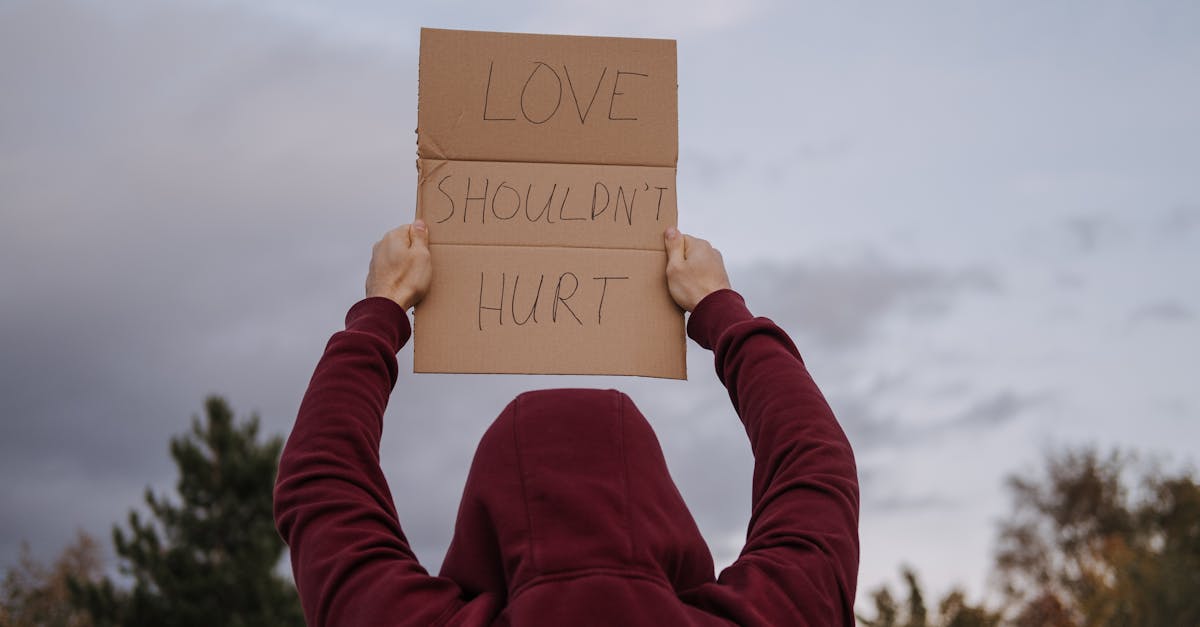

The global context in 2026 reveals a worrying rise in repressive violence during demonstrations, raising serious concerns within international organizations such as the OHCHR. Human rights, once considered the cornerstone of any democratic society, are now under exacerbated strain due to the systematic use of disproportionate force by certain authorities. The repression of protests, whether for social, political, or economic demands, appears to be intensifying, thus hindering freedom of expression and assembly. Police brutality, observed in several regions of the world, is as alarming as it is outrageous, contributing to a deterioration of the social climate that could fuel a vicious cycle of violence and instability. Faced with this reality, many are calling for a renewed international awareness to better defend these fundamental rights, while firmly condemning these practices that worsen the crisis of confidence in institutions. This detailed analysis, far from masking the gravity of the situation, emphasizes the urgent need for collective action to preserve the legitimacy and credibility of human rights partner states. This is a major ethical and political issue, the scope of which extends far beyond the current events, striking at the very heart of democratic principles. 🚨 The condemnation of violence, notably by the OHCHR, underscores a worrying global trend that must not be underestimated.
The serious human rights violations revealed during the recent demonstrations
The repressive violence during the 2026 protests reveals a worrying trend in the management of popular protests. In several countries, particularly those facing political or social crises, security forces often resort to extreme measures, such as the use of tear gas, live ammunition, and armored vehicles to disperse unarmed crowds. These practices, denounced by the OHCHR and various NGOs, illustrate a break with the fundamental norms of self-defense and law enforcement. The organization’s report emphasizes that these abuses exacerbate an already tense climate, fueling a spiral of violence and insecurity. The victims of this repression number in the dozens, including both protesters and journalists seriously injured or killed by gunfire during law enforcement operations. Images circulating on social media attest to the excessive use of weaponry, such as assault rifles and military vehicles, devoid of any justification for self-defense. This deployment of military equipment against peaceful populations further undermines the legitimacy of the state, while fueling increased distrust of its institutions. The situation becomes critical with the occurrence of arbitrary arrests and physical assaults, such as that of Arivonimamo MP Antoine Rajerison, who came to support a peaceful demonstration and was arrested for exercising his right to protest. Alarming figures of repression in 2026
Aspect
Key statistics
| Observations | Victims during demonstrations | More than |
|---|---|---|
| 22 deaths | recorded by the OHCHR Includes demonstrators and journalists Number of injuries | More than |
| one hundred | Mostly from live ammunitionArbitrary arrests | Several dozen |
| Example: arrest of MP Antoine R. | Use of weapons | Assault rifles, shotguns, armored vehicles |
| Deployment of military equipment against peaceful civilians | The international implications of the repression and its impact on state credibility | Revelations by Amnesty International and other global actors highlight a worrying trend: the clandestine nature of violent behavior by security forces, a source of destabilization for social peace. The authorities’ response, oscillating between denial and justification, fails to conceal the seriousness of the incidents. The government insists that freedom of expression and assembly, guaranteed by the Constitution, are still respected, but the images reported and testimonies from the ground tell a very different story. This indiscriminate repression undermines the state’s legitimacy in the eyes of its citizens and the international community, leading to urgent calls for independent and transparent investigations. Beyond national borders, these violations fuel a climate of regional instability, encourage the rise of anti-government sentiment, and undermine international cooperation in the fight against the climate, economic, and security crises. The European Commission reiterates that freedom of expression must be defended against all forms of violence, particularly in times of crisis. |
Recommended measures to de-escalate the situation:
Strengthen training for law enforcement agencies in respect for human rights ✊Establish independent investigation mechanisms 🕵️♂️ Promote inclusive dialogue between authorities and citizens 🗣️
Strongly punish all police brutality ⚖️ Guarantee transparency in the handling of arrests and violence 📊 The major challenges to freedom of expression in the face of violent repression
The right to freedom of expression is a fundamental pillar of democracy, but today it appears more than ever under increasing pressure. The events of 2026 demonstrate that when this universal commitment is threatened, the social fabric unravels, giving way to a spiral of violence. Peaceful demonstrations, which should be a space for free expression, are instead carried out under a veil of state violence, including the use of weapons of war and close surveillance. The criminalization of protests or their disqualification as acts of subversion fuels feelings of injustice and frustration, reinforcing the need for a clear legal framework that protects these fundamental freedoms.
- Many experts agree that the ability to freely express opinions and demonstrate peacefully remains the core responsibility of any civil society. Yet, in 2026, this freedom is severely tested, weakening democracy and hindering constructive dialogue between governments and citizens. The international community, through organizations such as the WCC, emphasizes the urgent need to respect these rights, even in times of crisis.
- Guaranteeing freedom of expression: a challenge for governments
- States must find a delicate balance between maintaining order and respecting civil liberties. Excessive repression, as seen in several demonstrations, undermines this fragile balance, often generating the opposite effects: radicalization, mistrust, and increased violence. This results in a twofold necessity: on the one hand, adopting more humane crowd management strategies, and on the other hand, increasing vigilance regarding the ethical and transparent oversight of law enforcement.
- Recognizing the Risks of Systematic Repression to Long-Term Stability
- The repressive violence during the 2026 protests underscores a critical risk: the breakdown of the link between citizens and the state. This situation paves the way for a crisis of confidence, the repercussions of which extend beyond national borders to influence regional peace and global stability. Indiscriminate repression, if it persists, could generate a process of radicalization, fueled by resentment and a sense of injustice. Countries that ignore this trend risk facing lasting instability, or even open conflict. The international community must therefore act swiftly, supporting institutional reforms and responsible governance, to prevent this uncontrollable spiral from permanently eroding democracy. 🎯
Strategies for Promoting Constructive Dialogue Between Authorities and Citizens
Faced with escalating violence, the key lies in re-establishing a sincere and inclusive dialogue. It is no longer simply a matter of adopting punitive or repressive measures, but of prioritizing mediation and mutual respect. The success of such approaches depends on a thorough understanding of citizens’ demands, transparency in conflict management, and training law enforcement in non-violent techniques.
Concrete international experience demonstrates this: when the police prioritize communication and prevention over confrontation, tensions ease and trust in the state is rebuilt. The presence of independent observers at certain demonstrations, along with the implementation of an appropriate communication strategy, appear to be essential tools for limiting violence and ensuring respect for human rights. Citizen participation, within a secure framework, must become the norm to prevent the recurrence of repressive excesses. Tools for strengthening the protection of fundamental freedoms in times of crisis
Guaranteeing fundamental freedoms during demonstrations requires the adoption of a series of concrete measures, such as establishing a code of conduct for law enforcement, providing ongoing human rights training, and ensuring transparency in the handling of incidents. The creation of independent evaluation mechanisms to examine abuses and the enshrining of the right to an effective remedy remain essential.
Technologies, particularly video surveillance, must be strictly regulated to prevent any misuse and guarantee the protection of personal data.
The French minister’s statement also underscores the need for ongoing dialogue with civil society actors to adjust security policies.
Key levers for balanced management of demonstrations:
Specialized human rights training for security forces ✍️
Creation of an independent observatory on police violence 🕵️♀️
Information campaigns on the rights and responsibilities of demonstrators 📢
Strengthening of recourse mechanisms for victims ⚖️ Implementation of privacy-respecting technologies 🔒 How does OHCHR monitor violence during demonstrations?
OHCHR conducts observation missions, collects testimonies, publishes reports, and calls on governments to take responsibility for ensuring respect for human rights.
- What are the risks of violent repression for democracy?
- Excessive repression can lead to a loss of trust in institutions, the radicalization of protesters, and a decline in fundamental civil liberties.
- What measures can foster dialogue between governments and citizens?
- The establishment of mediation mechanisms, training for police forces in non-violent management, and transparency in investigations are essential.
- What tools exist to control the excessive use of force?
Independent oversight mechanisms, regulated video surveillance, and ongoing human rights training help to limit abuses.
How can the international community respond to repression?
It can provide financial and technical support for reforms, condemn abuses, and exert diplomatic pressure for respect for fundamental rights.
🔗 Sources & références
Pour aller plus loin, consultez les sources citées dans cet article :
Découvrez notre guide complet — destinations, budget, visa, faune et conseils pratiques pour préparer votre voyage.

📖 Vous aimerez aussi

Transition à Madagascar : la société civile et la Génération Z face aux doutes sur le « Programme de la Refondation »
3 March 2026
Fermeture de l’aéroport de Dubaï : chaos et désarroi chez les voyageurs bloqués
2 March 2026


