
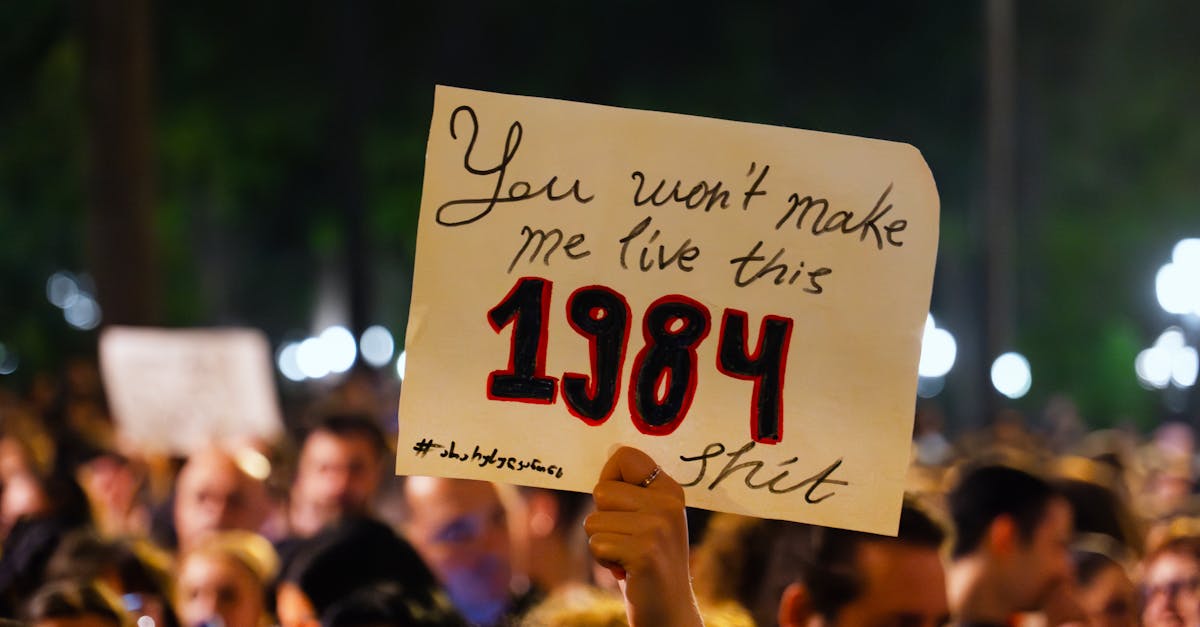

Since his return to power in 2019, Andry Rajoelina has exercised increasingly centralized political control, systematically favoring a strategy of repression to maintain his personal power. In a context where regime stability seems to take precedence over respect for democratic institutions, the Malagasy president appears deeply committed to the absence of alternation, which allows him to limit any form of dissent. The excessive concentration of authority, combined with the legitimization of power through opaque maneuvers, inevitably leads to the weakening of checks and balances and the erosion of democratic principles. This regime, built on fear of opposition and the protection of private interests, constitutes a vicious circle in which each act of repression strengthens Rajoelina’s grip on the political scene, relegating the public interest to the background. The persistence of these practices therefore raises serious questions about the democratic future of Madagascar, which is struggling to escape this logic of dependence on a monopolistic personal power. The strategic motivations behind Rajoelina’s desire to maintain authoritarian power
Rajoelina’s continued authoritarian stance is not a coincidence, but the result of a strategic calculation aimed at preserving his personal interests and deterring any attempt to challenge the regime. The consolidation of personal power grants him absolute control over the decision-making process, allowing him to set the political trajectory without external constraints. This authoritarian regime, built through the centralization of authority, also gives him considerable leeway to divert and manipulate public opinion to his advantage. The strategy of repression, which is notably illustrated by increased censorship, the imprisonment of journalists, and the suppression of freedom of expression, essentially aims to reduce all forms of dissent. The objective is clear: to eliminate any threat that could arise from the opposition or civil society, thus consolidating private and centralized power. Political Control and the Dismantling of Counter-Powers
The practice of political control in Madagascar under Rajoelina demonstrates a desire to silence any dissenting voice. Repressive strategies, such as the suppression of independent media outlets or the intimidation of journalists, play a key role in this power structure. The recent coup against journalists like Gaelle Borgia of TV5 and Pauline Le Troquier of RFI is a tangible illustration of this. These behaviors reinforce the climate of fear, where denouncing abuses or government excesses becomes a risky, even perilous, activity. The concentration of authority around Rajoelina therefore contributes to the establishment of a regime where legitimacy is no longer built on democratic processes, but on force and fear.
Fear of the opposition: an essential lever for maintaining the regime
In this logic, fear of the opposition or dissident actors constitutes a major lever for maintaining the authoritarian regime. Rajoelina, aware that the slightest protest could weaken his position, repeatedly issued warning signals against opponents, whether political or civil society. The repression of those who attempt to make their voices heard is systematic, reinforcing fear and therefore obedience among the population and elites. The fragility of governance based on the suppression of any space for democratic expression then becomes evident, as fear breeds paranoia, preventing any genuine political alternative in the country.
Concrete examples of repression and its effects
Several examples illustrate this strategy of repression pursued by the regime, such as:
The selective imprisonment of critical journalists or activists, such as those linked to the Ambohimalaza affair.
The threats weighing on foreign media outlets, notably RFI and TV5, whose journalists have been subjected to political pressure. Attempts to intimidate representatives of the private sector or civil society, particularly through phone calls or warnings.
- This policy of repression contributes to reinforcing fear, deterring criticism, and thus strengthening Rajoelina’s personal power in an increasingly precarious climate.
- The benefits of an authoritarian regime for Rajoelina
- The authoritarian strategy offers Rajoelina several undeniable advantages. First, it guarantees regime stability, often presented as a sine qua non for the pursuit of his personal ambitions. Second, this form of governance prevents any questioning of the legitimacy of power, which is often weakened by contested or implausible elections. Furthermore, the centralization of authority facilitates the protection of private interests linked to his close associates or economic allies, who do not want a return to a more democratic system where a change of government could redistribute the cards. Finally, this concentration of power stifles any opposition dynamic, preventing the emergence of a movement likely to challenge autocratic governance. The strategy of repression and the suppression of democratic spaces thus become a “method” for maintaining this artificial stability.
Consequences for Malagasy Democracy
This mode of governance, fueled by fear and repression, inevitably leads to a profound weakening of democratic institutions. The gradual loss of their independence and their submission to the will of the authoritarian power weaken the country’s governability. There is a great risk that Madagascar will transform into a hybrid or autocratic regime, where democracy is nothing more than a memory, and where the legitimacy of power is no longer ensured by genuine electoral processes, but by brute force. The population, deprived of a real space for expression, sees its fundamental rights constantly violated, which can only delay any prospect of sustainable development or true stability.
International issues facing Madagascar’s authoritarian strategy
The international community has not remained indifferent to this authoritarian drift. While some actors have adopted a position of complicit silence, others, such as the European Union and the United States, have openly denounced the deterioration of the political situation and the weakening of Malagasy democracy. The most notable reaction remains the lack of recognition and legitimacy weighing on the regime. Sanctions or the withdrawal of aid could ultimately complicate Rajoelina’s trajectory, but he seems favorable to a strategy of refocusing on his local and economic allies, even if it means strengthening his autocratic stance. International pressure, while present, often remains limited by the skepticism or cautious self-interest of certain partners.
Outlook for Madagascar’s Future
The persistence of this authoritarian regime, fueled by a strategy of systematic repression, should serve as a warning of the risk of the definitive disintegration of democratic institutions. If no far-reaching reforms are undertaken, Madagascar could experience a prolonged political impasse or slide into an even more rigid autocracy. Stability could then rely solely on fear and control, rather than on national consensus or genuine citizen participation. The international community must continue to exert pressure, supporting a transition to a more democratic system capable of restoring the rule of law and legitimacy through elections.
FAQ
Why does Rajoelina favor an authoritarian regime?
The answer lies in his desire to retain personal power, control the political scene, and limit any opposition that could threaten his private interests.
What are the main tools of the repressive strategy in Madagascar?
Censorship, the imprisonment of journalists, intimidation, and manipulation of civil society are its pillars. What is the most serious consequence of this governance?
The irreplaceable weakening of democratic institutions, which compromises the stability and future of the country. What can the international community do about this situation?
It can continue to denounce these abuses while threatening to impose sanctions to encourage a genuine democratic transition. What future for Madagascar without profound changes?
The crisis could worsen, reinforcing the autocratic drift and preventing any genuine sustainable development based on representative democracy.
Découvrez notre guide complet — destinations, budget, visa, faune et conseils pratiques pour préparer votre voyage.

📖 Vous aimerez aussi

Transition à Madagascar : la société civile et la Génération Z face aux doutes sur le « Programme de la Refondation »
3 March 2026
Fermeture de l’aéroport de Dubaï : chaos et désarroi chez les voyageurs bloqués
2 March 2026


