Boeing 777 Affair: Two Arrests Mark a Crucial Step in a Complex Investigation
The robustness of aviation security is now being severely tested by a case that is shaking the global industry, involving the falsification of Boeing 777 registrations. The revelation of fraudulent transfers of several aircraft, formerly operated by giants such as Singapore Airlines and Air France, to unexpected destinations such as Iran, raises serious concerns about the traceability and legitimacy of civil aircraft. The seizure of two individuals in connection with these clandestine operations underscores the importance of increased vigilance in a context where financial and security malfeasance is becoming increasingly sophisticated.
In the middle of 2025, the affair is fueling a global debate on air transport regulation, trust in registration certificates, and the involvement of private actors in fraud networks. As local and international authorities mobilize resources to shed light on the matter, this crisis reveals a major challenge: the fragility of a system that, at first glance, was supposed to guarantee the safety and traceability of every aircraft operated worldwide. The outcome of this investigation promises to be decisive for the future of aviation regulations and, by extension, for preventing future manipulation of commercial fleets.
Origins and Context: The Saga of Boeing’s Fraudulent Registrations and Their Strategic Context
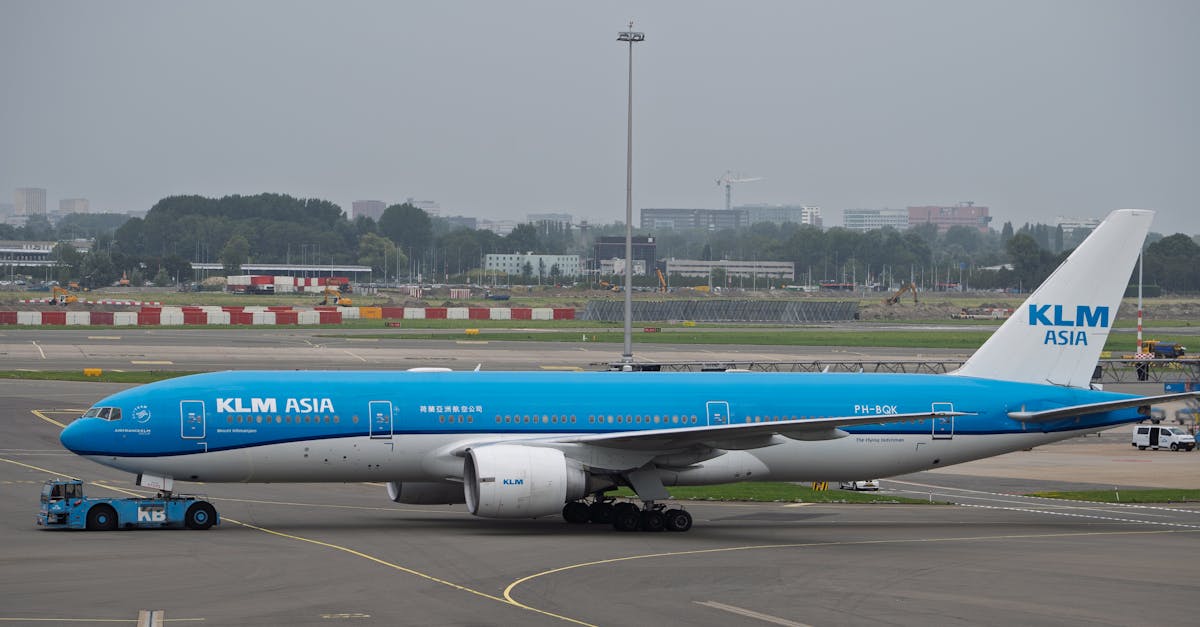
At the heart of this affair are several Boeing 777-200ER aircraft, initially operated by renowned airlines such as Singapore Airlines and later NokScoot. Through a sophisticated scheme, these aircraft were registered in Madagascar via a shell company, enabling their illegal transfer to Iran, where they are now used by Mahan Air. This maneuver, targeting both their commercial value and their regulatory status, is part of a larger series of events, in which the fraud has become intricate and complex, fueling chaos in the aviation sector.
This modus operandi raises several key issues: the weakness of controls during aircraft re-registration, the potential complicity of certain actors, and the impact on national and international security. The immediate intervention of the Malagasy government, coupled with collaboration with the FBI and Interpol, demonstrates the gravity of the situation. The problem goes far beyond administrative fraud, revealing an issue of sovereignty and regulation in a sector vital to the global economy. Aircraft involved
| Initial origin | Initial registration | Fraudulent destination | Current operator | 5 Boeing 777-200ER 🛫 |
|---|---|---|---|---|
| Singapore Airlines, NokScoot | Madagascar (shell company) | Iran (Mahan Air) | Mahan Air | The actors involved illustrate a collusion that transcends borders, undermining aviation safety. The sophistication of the methods employed, such as the creation of shell companies and the alteration of records, demonstrates a deliberate attempt to circumvent regulatory control. The perceived fragility of the international control system is all the more worrying as it opens the door to the misuse of commercial aviation for unspeakable purposes. |
The implications of the case for the aviation industry: from safety to airline reputation
The repercussions of this type of fraud are not limited to legal or administrative issues. They directly affect passengers’ perceptions of safety and the image of global airlines. Emirates, British Airways, Lufthansa, as well as American Airlines and Delta Air Lines, must now face a new situation, where the legitimacy of their fleets and the veracity of their certificates are being called into question.
The challenges are multiple:
🛡️
- Strengthened regulatory controls : requiring enhanced cooperation between national authorities and international organizations. 🔍
- Increased vigilance during re-registration : a critical step to prevent falsified background checks. 💼
- Economic impact : for affected airlines, particularly Air France and Qatar Airways, which could suffer delays or losses due to the questioning of their fleets. ⚠️ Credibility and trust:
- Weakened both with partners and the general public, reinforcing the need for total transparency. We also observe that the manipulation of official registers undermines the collective security dimension, creating a climate of uncertainty that could ultimately lead to increased restrictions or increased surveillance in all aviation categories. Means to combat fraud in the aviation industry: regulation, technology, and international cooperation
Faced with an increasingly sophisticated threat, the aviation industry is relying on several levers to counter crime related to the fraudulent use of aircraft. Technology plays a decisive role: the establishment of centralized databases, the use of blockchain to certify aircraft history, and real-time tracking systems are becoming priorities to prevent any attempts at tampering.
Regulation, for its part, is adapting quickly: strengthened protocols have been established by the ICAO (International Civil Aviation Organization), and more rigorous controls during re-registration operations. Collaboration between states, through multilateral agreements, also makes it possible to pool efforts and ensure a coordinated response to these growing threats.
Finally, active monitoring of the actors who have potentially facilitated these operations, whether financial, administrative, or technical, is a key step. Sanctions, deterrents, and preventive measures must now be an integral part of a comprehensive cybersecurity and fraud prevention strategy.
Innovations to watch:
🔐 Use of blockchain for the immutable recording of aircraft histories.
🛠️ Deployment of artificial intelligence to detect anomalies in real time.
- 🌐 Strengthening international cooperation through common protocols.
- Geopolitical issues and global awareness regarding the manipulation of civil aircraft
- Beyond the technical and security repercussions, this affair places the geopolitical scene on high alert. The manipulation of aircraft registered in a geostrategic context tends to fuel tensions between states, particularly at a time when international security is weakened by numerous conflicts. The redefinition of alliances and the exposure of an illicit network involving economic actors from various regions are becoming inevitable.
The Boeing crisis of 2025 thus underscores a collective awareness: the credibility of the international system today rests on the ability to detect, disassemble, and neutralize these clandestine operations. Cooperation between intelligence agencies, law enforcement, and regulatory bodies is becoming an absolute necessity to prevent this manipulation from becoming a tool of geopolitical destabilization.
Governments, particularly in the Indian Ocean region and the Middle East, must address the growing context in which national sovereignty is undermined by transnational networks. Prevention must be accompanied by a strengthening of diplomatic measures to prevent the industry from expanding and compromising regional and global stability.
Discover the Boeing 777, the iconic long-haul aircraft designed to combine performance, comfort, and efficiency. Immerse yourself in the world of this revolutionary aircraft, which is transforming air travel with its cutting-edge technology and innovative design.
Future Outlook: Strengthening Transparency and Securing the Aerospace Sector to Face the Challenges of 2025

It is also important to broaden the debate to the international level, involving major airlines such as Air France, Emirates, and Qatar Airways, as well as manufacturers like Boeing. By integrating rigorous protocols and a transparent certification system, the industry could anticipate and counter any future attempts at diversion or falsification.
Committed reflection to strengthening global cooperation is essential to building a future where safety, trust, and stability prevail, even in a sector as sensitive and strategic as civil aviation. Frequently Asked Questions about the Boeing 777 Case: Understanding and Implications
🤔 What motivates registration fraud in the aviation industry?
Often linked to financial or strategic motives, fraud is used to conceal the true origin and history of an aircraft in order to avoid restrictions or benefit from higher commercial value.
🔎 What are the main measures to prevent this fraud in 2025?
- The deployment of advanced technologies, cooperation between states, strengthened controls during re-registration, and increased transparency in registry management are essential to limit these risks.
- 🚀 What impact does this case have on major airlines like Air Canada or Delta?
- It weakens their reputation by highlighting the vulnerability of the air fleet to fraudulent manipulation, prompting a profound reform of standards and certification processes.
- 🌍 Could the situation evolve into a diplomatic crisis?
- Depending on how governments and international agencies handle the crisis, this affair could fuel geopolitical tensions or disputes over air sovereignty.
Découvrez notre guide complet — destinations, budget, visa, faune et conseils pratiques pour préparer votre voyage.

📖 Vous aimerez aussi

Transition à Madagascar : la société civile et la Génération Z face aux doutes sur le « Programme de la Refondation »
3 March 2026
Fermeture de l’aéroport de Dubaï : chaos et désarroi chez les voyageurs bloqués
2 March 2026