Vontovorona: Fiery Student Protests in Response to Power Cuts and Police Repression
On September 26, 2026, Vontovorona was the scene of a significant episode of popular protest: a student demonstration against prolonged power cuts quickly escalated into violent clashes between young people and law enforcement. Tensions had been rising for several days due to the persistent deterioration of the electrical grid, severely impacting the daily lives of the population, particularly young people worried about an uncertain future. On that day, this discontent transformed into an angry protest that degenerated into violence, leaving six people injured—a heavy toll that reflects the gravity of the current social and political situation in Madagascar. Power cuts have steadily increased in frequency and duration, impacting not only the residential sector but also the local economy, already weakened by problematic management of the public utility. The protests are not limited to simply demanding a reliable electricity supply, but reflect a deep-seated discontent among disillusioned youth facing a government perceived as disconnected from their fundamental concerns. The demonstration organized in Vontovorona, a symbol of this crisis, illustrates how the situation has deteriorated, to the point where young protesters threw stones and blocked traffic, forcing the intervention of security forces to repel the assault.
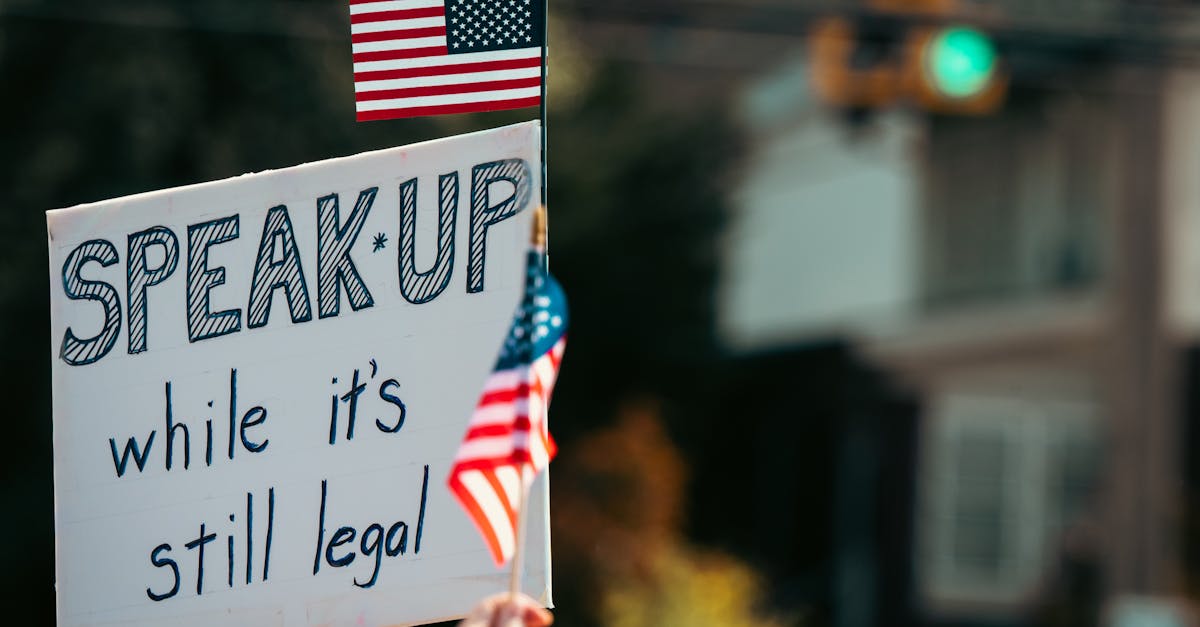
Discover the different aspects of a protest: its social impact, its causes, and its role in change.

Power outages in Madagascar, particularly in Vontovorona, stem from a chronic failure of the national electricity grid, exacerbated by inefficient management and insufficient investment. The dependence of a majority of households and businesses on an unreliable power supply increases economic insecurity and fuels collective dissatisfaction. The private sector suffers significant losses, with small businesses such as tailoring workshops and garages closing their doors during each power cut, and hair salons struggling to survive in a climate of uncertainty.
This critical situation generates palpable frustration among young people, who see these repeated outages as an obstacle to stability and personal development. The energy crisis thus becomes a catalyst for a broader social crisis, fueling legitimate demands but also distrust of the government. Economic marginalization coupled with the absence of constructive dialogue contributes to an explosive situation in Vontovorona, where every power outage becomes a provocation, disrupting daily life and reinforcing the feeling of abandonment by the authorities.
The difficulties related to energy management in Madagascar reveal a structural problem that cannot be resolved without in-depth reform: financing, transparency, grid modernization, and above all, a policy focused on the real needs of the population.
Lack of investment in infrastructure ⚡
- Opaque management and corruption denounced by civil society 🔍
- Dependence on non-renewable energy sources ⛽
- Regional inequalities in electricity distribution 🌍
- Devastating Effects on Quality of Life and Social Stability 🛑
- Problem
| Consequence | Social Impact | Network Failure |
|---|---|---|
| Regular Power Outages | Protests and Social Crises | Ineffective Management |
| Loss of Trust in Institutions | Riots and Violence | Lack of Investment |
| Continuous Deterioration of Service | Food and Social Insecurity | Violence During Protests: An Inadequate Response to Popular Anger |
The tragic events in Vontovorona illustrate a worrying trend that is growing in the Malagasy context: violence during protests, often exacerbated by police repression deemed disproportionate. During the recent protest, security forces used tear gas and firecrackers to disperse young people, particularly when they armed themselves with stones and debris to confront the onslaught. The confrontation quickly escalated, resulting in six injuries, mainly among the protesters. Among them, a young man was seriously injured and rushed to the hospital, fueling fears of an escalation of violence and the use of repression against popular movements.
This scenario raises a fundamental question: what political and security measures should be mobilized to guarantee public safety without allowing for violent unrest? The tension between the need to maintain order and respect for fundamental rights remains central to the debate. Police repression, often perceived as excessive, increases public resentment and feeds a spiral of violence that offers no lasting solution. Managing these tensions must prioritize dialogue and mediation, rather than the excessive use of force, in order to preserve social peace.

The challenges of public safety in the face of rising violence during demonstrations in Madagascar
The resurgence of violent incidents during student protests raises concerns about public safety management in Madagascar. Police strategy, often dictated by the imperatives of maintaining order, sometimes appears to lack discernment, leading to counterproductive effects. Images of burned barricades, injured youth, and heavy-handed interventions paint a picture of a country gripped by heightened social tensions, where legitimate demands are met with a sometimes excessive response from law enforcement.
It is becoming urgent for the authorities to establish a framework for dialogue with young people and civil society to prevent such escalations. The mismatch between a repressive approach and the need for appeasement only exacerbates the situation, thus increasing distrust of the government. Priority must be given to prevention, mediation, and finding collaborative solutions, so that public safety serves not only the maintenance of order, but also the protection of fundamental rights and social cohesion.
- Profiles of the injured and the healthcare response to the violence
- Young protesters with injuries from projectiles or cuts 📌
- Emergency medical interventions often deployed in a tense atmosphere 🚑
- Overburdened hospital system during crisis days 🏥
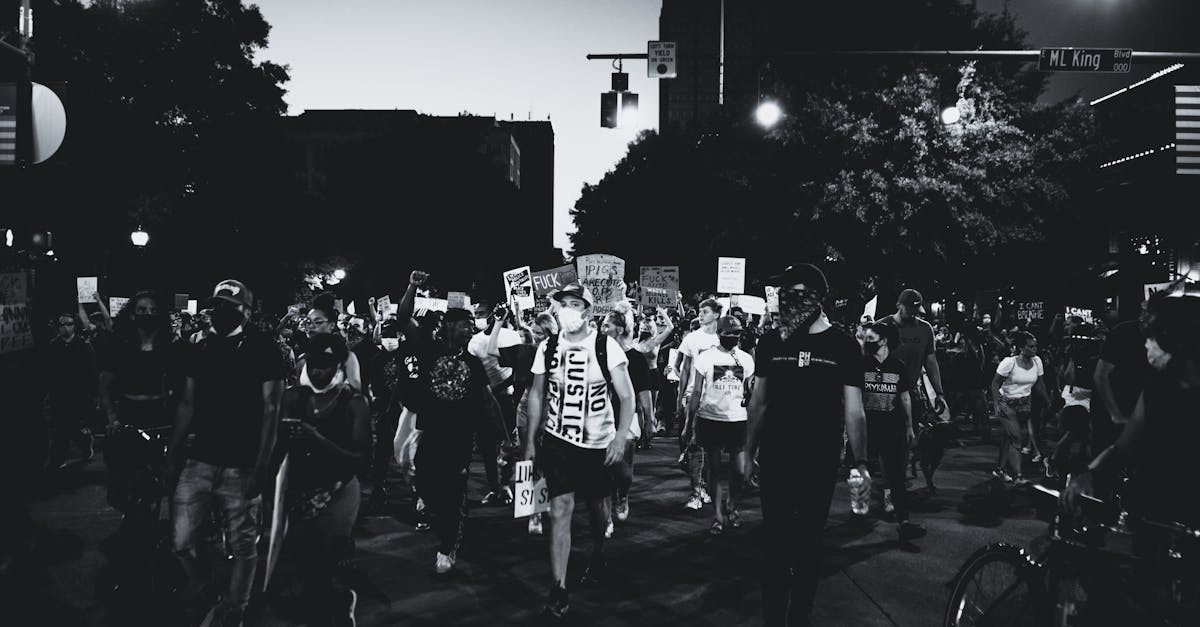
Discover everything you need to know about protests: definitions, causes, historical examples, and social impacts.
Student grievances and demands in the face of deteriorating security and energy conditions The demands of the students of Vontovorona are not limited to simply restoring electricity. Their mobilization, widely reported by local media, is part of a broader movement of protest against the authorities’ inability to meet basic needs. Among their main demands are: A stable and reliable energy supply ⚡
- A significant increase in investment in the energy sector 💰
- Transparent and responsible management of public resources 🏛️
- Improved public safety during demonstrations 🔒
- Reforms to guarantee lasting social peace ✊
- The young people also denounce the disproportionate treatment of protesters during the crackdown. Their distrust of law enforcement is accompanied by a call for a profound reform of the governance model, one that truly addresses social and economic concerns. The large mobilization in Vontovorona illustrates the need to frame demands within a structural reform, rather than reducing these protests to mere acts of vandalism or unjustified violence.
The actors and political stakes linked to the mobilization in Vontovorona
The events in Vontovorona also have a significant political dimension. In times of crisis, statements from parliamentarians, government members, and political opponents seek to influence public opinion. The strategy of some leaders is to minimize the scope of the protest, referring to isolated incidents or exaggerations, in order to protect their image. However, this communication, often perceived as disconnected, fails to quell popular anger.
The political stakes extend far beyond the student protests: they raise questions about governance, transparency, and the government’s ability to ensure social stability. The Vontovorona demonstration thus becomes a symbol of the deep divisions that will run through Madagascar in 2026, between a government deemed incapable of meeting expectations and a youth mobilizing to make its voice heard.
Risks to national stability and the need for inclusive dialogue
Faced with this spiral of tensions, it is imperative that the authorities engage in a sincere dialogue with civil society, particularly with young people. The systematic use of repression risks exacerbating the crisis by fueling distrust of institutions. The country’s stability now depends on the ability to establish participatory governance, built on consensus and a genuine commitment to overcoming the energy and security crises.
Future Prospects: Rethinking Energy Management and Security to Prevent Future Crises
🔗 Sources & références
Pour aller plus loin, consultez les sources citées dans cet article :
Découvrez notre guide complet — destinations, budget, visa, faune et conseils pratiques pour préparer votre voyage.

📖 Vous aimerez aussi
Transition à Madagascar : la société civile et la Génération Z face aux doutes sur le « Programme de la Refondation »
3 March 2026
Fermeture de l’aéroport de Dubaï : chaos et désarroi chez les voyageurs bloqués
2 March 2026