In the tense context of 2026, Madagascar finds itself at a critical juncture where young people aspiring to become lawyers face numerous obstacles. Future lawyers, particularly those attempting to register for the entrance exam to the Institute for Professional Training of Lawyers (IFPA), have been expressing deep concern for several months about what they consider serious irregularities in the procedure. Complaints against the admissions system are growing, revealing a climate of mistrust and instability that could undermine the credibility of the Malagasy justice system. Younger generations, already marked by a difficult economic climate and recurring political crises, now face a situation that jeopardizes their right to equal opportunity. Indeed, during the last entrance exam, several cases of irregularities were reported, sparking a wave of protests and demands. These irregularities, often described as “intentionally deliberate,” which skew the results and obstruct access to a legal career, fuel a sense of injustice and abuse of power, reinforcing distrust of the entire Malagasy judicial system.
The irregularities revealed during the last entrance exam for the IFPA in Madagascar
What should have been a simple, objective assessment quickly escalated into a major crisis. According to testimonies gathered from several candidates, blatant irregularities marred the process, including manipulation of exam questions, favoritism, and administrative bias in the selection process. The most egregious case involves a series of tests where some candidates allegedly received an unfair advantage, calling into question the validity of the entire selection process.
Furthermore, the transparency of the procedure is a mirage. Candidates denounce a lack of clear communication regarding the evaluation criteria, which fuels speculation and suspicion. The issue of discrimination is also striking: candidates from marginalized regions or disadvantaged socioeconomic backgrounds increasingly perceive that their access to justice is unequal. Faced with these accusations, several human rights organizations are remaining vigilant, emphasizing the need for sweeping reforms.
Discrimination denounced in the selection process for future lawyers in Madagascar
This situation is not new in the Malagasy justice system, but it is intensifying in a context where trust in the civil service is at its lowest point. The persistence of such discrimination fuels a vicious cycle: without a genuine commitment to equality, society as a whole is weakened, and the legitimacy of the future class of lawyers suffers all the more. The need to reform the legal and administrative framework now appears imperative to prevent this crisis from recurring.
The challenges facing the Malagasy justice system in the face of anomalies and discrimination in access to the legal profession
The stakes are crucial, as the integrity of the judicial process rests largely on the legitimacy of its actors. If the selection of future lawyers is not rigorous, transparent, and fair, it compromises the entire judicial system. The credibility of the Malagasy justice system could thus be severely affected, fueling a cycle of public distrust and institutional instability. The competence and integrity of future lawyers determine their ability to defend fundamental rights and uphold the Constitution. However, the persistence of these irregularities undermines the credibility of legal training and jeopardizes the quality of justice in Madagascar. It is therefore imperative that concrete measures be taken to modernize the procedure, strengthen transparency, and guarantee genuine equality before the law.
Institutional Responses to Irregularities in the Entrance Examination in Madagascar Faced with the wave of indignation, several institutional actors began to react. The presidency, through an official statement, promised a thorough investigation to clarify the accusations and shed light on the irregularities observed. Furthermore, the Bar Association, whose role is central to regulating the profession, also denounced these dysfunctions and advocated for a revision of the selection rules.
Bar President Ranary Rakotoarisoa Ferinand
emphasized the urgent need to strengthen the transparency and integrity of the recruitment process. If measures are not adopted quickly, the risk of the justice system losing all credibility in the eyes of the public and future practitioners becomes alarming.
Demonstrations and social mobilization for the reform of the entrance exam in 2026
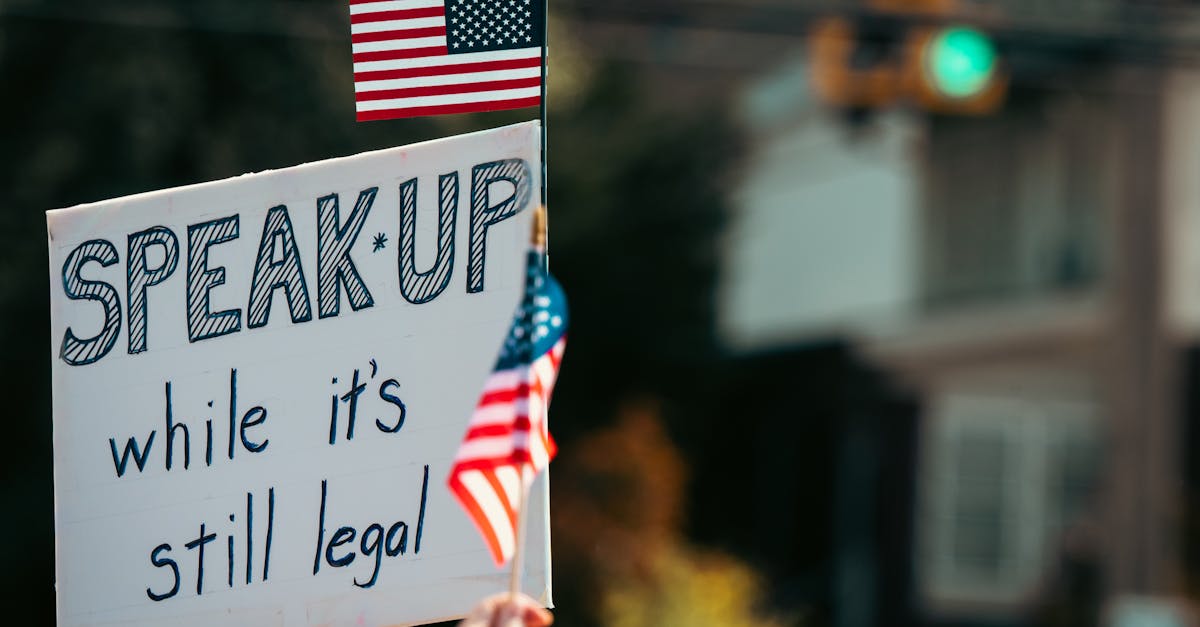
For several weeks, mobilization has been growing in several major cities of Madagascar. Students, young professionals, and associations are mobilizing to demand the correction of irregularities and the establishment of a fair process. These demonstrations reflect a deep unease in the face of perceived injustice and illustrate the need for collective action to put justice back at the heart of national concerns.
Young people, often the most affected by these dysfunctions, have chosen protest to make their voices heard. Their demand is clear: a fair and transparent admissions process that reflects merit and equality. These social movements, by their scale, could influence political decision-making and lead to fundamental reform of the Malagasy judicial system.
- Recommendations for an overhaul of the admissions system for future lawyers in Madagascar
- The current context demonstrates that a thorough overhaul of the admissions process is an absolute necessity. The establishment of clear rules, the implementation of independent controls, and the guarantee of equal access for all must be the cornerstones of this reform. Transparency must be systematic, with the regular publication of results and evaluation criteria.
- To this end, several recommendations emerge:
- Establish an independent commission to oversee the competitive examination 🔍
Introduce anonymous tests to eliminate any potential bias 📝
Guarantee equitable access for all regions and social backgrounds 🌍
Strengthen the training and awareness of examiners regarding professional ethics 💼
Promote a culture of accountability and transparency within the judicial administration 🛡️
Lessons for Madagascar: Building a more equitable and credible justice system
The current crisis in Madagascar serves as a wake-up call for the entire judicial system. If no in-depth reforms are implemented, the credibility of the justice system could be irreversibly compromised. Young people, especially future legal professionals, are waiting for strong signals that will allow them to believe in a future based on equality, transparency, and merit.
This challenge demands a clear-sighted commitment from all the vital forces of the country. Justice is not simply a set of rules, but constitutes the foundation of sound and sustainable governance. Confidence in Madagascar’s ability to overcome this crisis will depend on the political will to bring about real change, based on a shared project aimed at addressing the challenges that still hinder its justice system and the rule of law.
How might irregularities in the competitive examination impact the justice system in Madagascar?
Irregularities in the admissions process call into question the legitimacy of future lawyers, undermine the credibility of the judicial system, and fuel public distrust of the Malagasy justice system.
What are the risks if the situation does not change quickly?
The persistence of these anomalies and discrimination could lead to a lasting crisis of confidence, weaken the legitimacy of institutions, and foster the emergence of broader social conflicts.
What concrete measures would be necessary to reform the admissions system?
The establishment of an independent commission, complete transparency in the process, and a thorough reform of the evaluation criteria are essential to ensure a fair and equitable procedure. What role does civil society play in this crisis?
🔗 Sources & références
Pour aller plus loin, consultez les sources citées dans cet article :
- Faced with the wave of indignation, several institutional actors began to react. The presidency, through an official statement, promised a thorough investigation to clarify the accusations and shed light on the irregularities observed. Furthermore, the Bar Association, whose role is central to regulating the profession, also denounced these dysfunctions and advocated for a revision of the selection rules. — lechodusud.com
- What role does civil society play in this crisis? — rfi.fr
Découvrez notre guide complet — destinations, budget, visa, faune et conseils pratiques pour préparer votre voyage.

📖 Vous aimerez aussi

Transition à Madagascar : la société civile et la Génération Z face aux doutes sur le « Programme de la Refondation »
3 March 2026
Fermeture de l’aéroport de Dubaï : chaos et désarroi chez les voyageurs bloqués
2 March 2026